Huawei's car unit joins CATL's 2,520-station swap network — SkimNews
Get the Energy newsletter
Daily energy & climate — solar, EVs, oil, the policy fights and tech bets shaping the transition. Free.
- Yinwang (Huawei-controlled car unit, also called Newcool) signed a strategic cooperation framework with CATL and its swap subsidiary CAES, covering swappable battery packs and the station network for vehicles running Huawei's Qiankun smart driving systems.
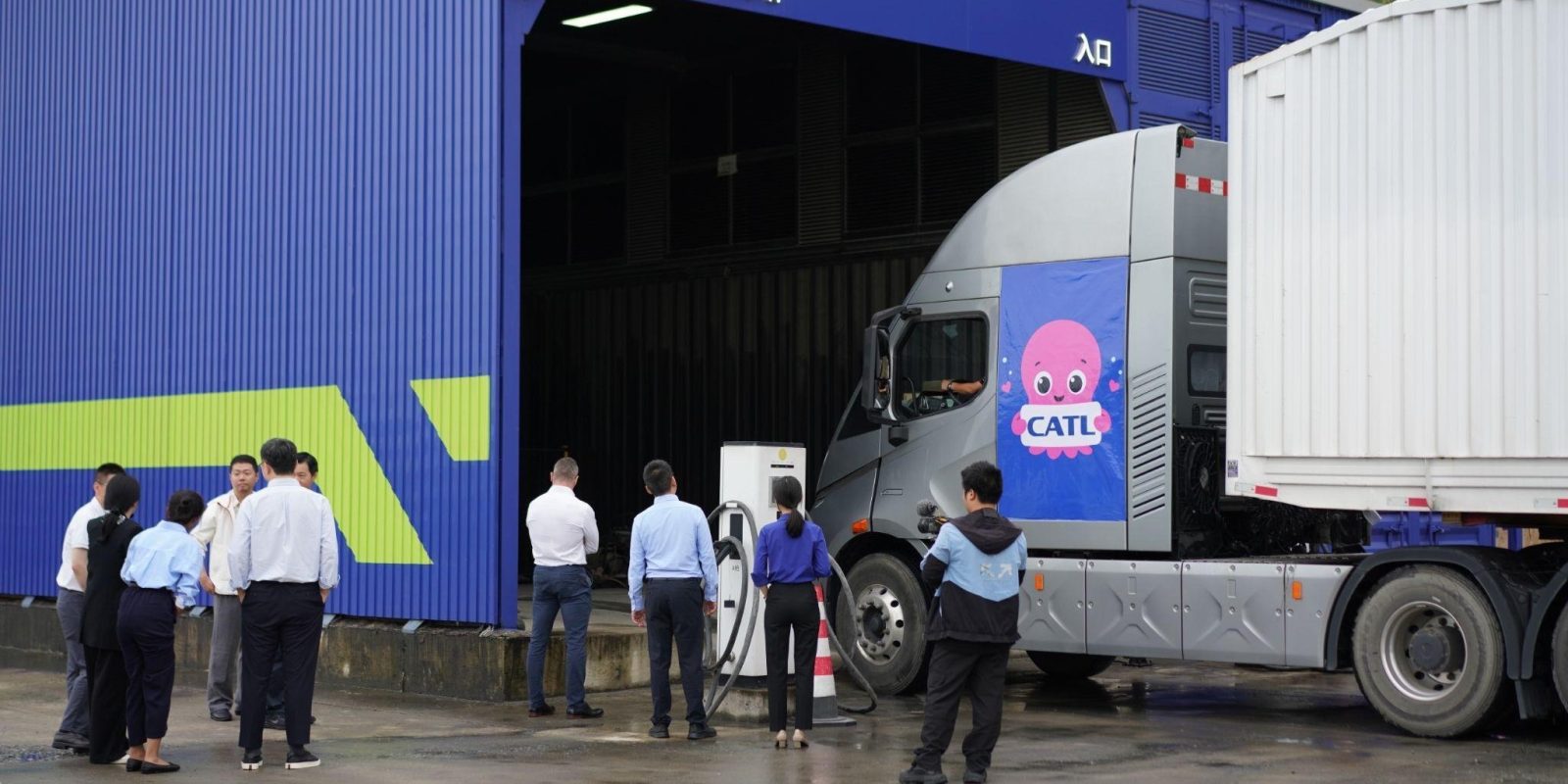
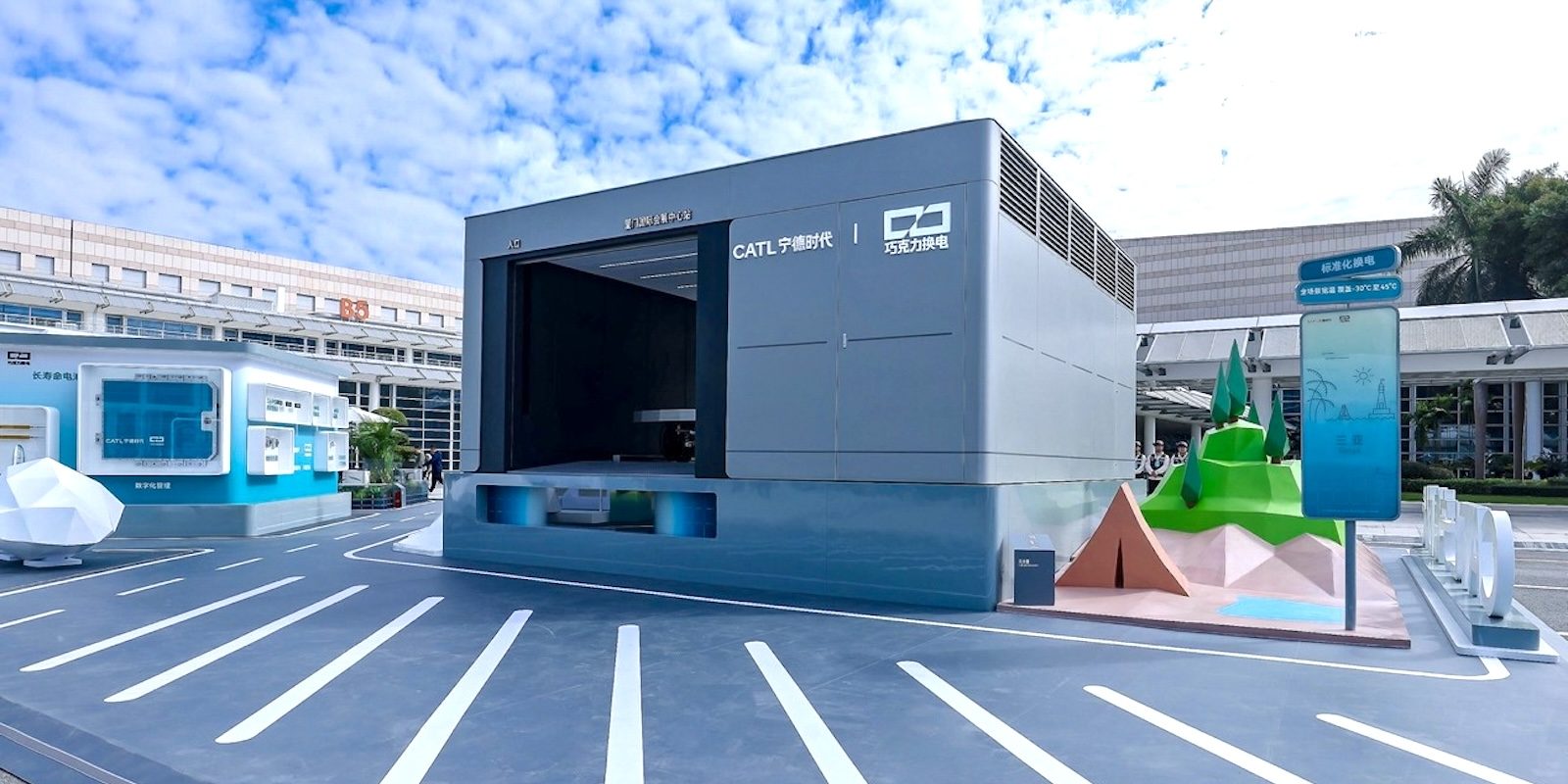
- CATL's Choco-swap network spans 2,520 stations across about 200 Chinese cities as of September 29, with the company building more than 200 new stations every month and targeting 3,000 by end of 2025 and 30,000 long term.
- The deal bets on autonomous swaps: the car monitors its own battery status, finds a station, drives in and lines up on its own, with CATL quoting 99 seconds for the actual battery exchange.
- Huawei owns 80% of Yinwang, with Seres (builder of the AITO premium SUV brand) and Changan's Avatr each holding 10%; CATL chairman Robin Zeng and Huawei SVP Jin Yuzhi attended the signing.
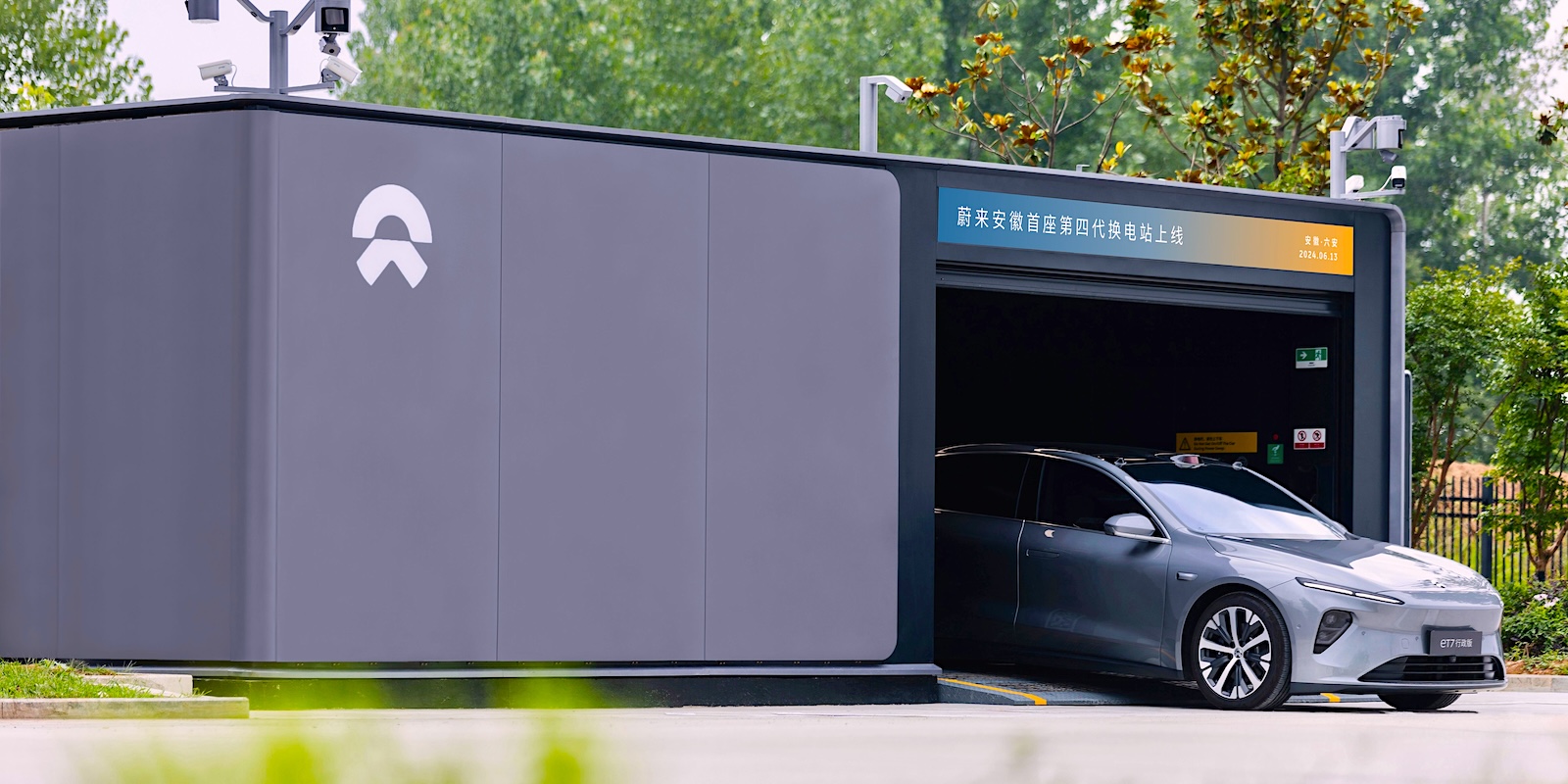
- Huawei joins existing Choco partners GAC, BAIC, and NIO, the last of which built the first major swap network solo and hit its 100 millionth swap in February with 3,790 stations — for comparison.
- The announcement left out vehicle models, launch date and service areas; as a framework agreement, it doesn't guarantee products will follow, though CATL's roughly 40% global EV battery cell share gives it unique leverage to standardize packs across automakers.
Why it matters: CATL supplies roughly 40% of the world's EV battery cells, giving it leverage no prior swap effort had to standardize packs across multiple automakers — the missing piece that sank Better Place and Tesla's 2013 pilot. Adding Huawei's Qiankun autonomy stack means a self-driving car could complete a swap in 99 seconds without a human, turning battery exchange from a single-brand perk into infrastructure that robotaxi and commercial-fleet operators can actually use.
Ask SkimNews