141 Nations Back Youth-Led Climate Campaign at UN — SkimNews
SkimNews Take
The campaign's success in mobilizing global attention and influencing international legal discourse demonstrates how youth-led movements can translate moral arguments into tangible political pressure.
Get the Energy newsletter
Daily energy & climate — solar, EVs, oil, the policy fights and tech bets shaping the transition. Free.
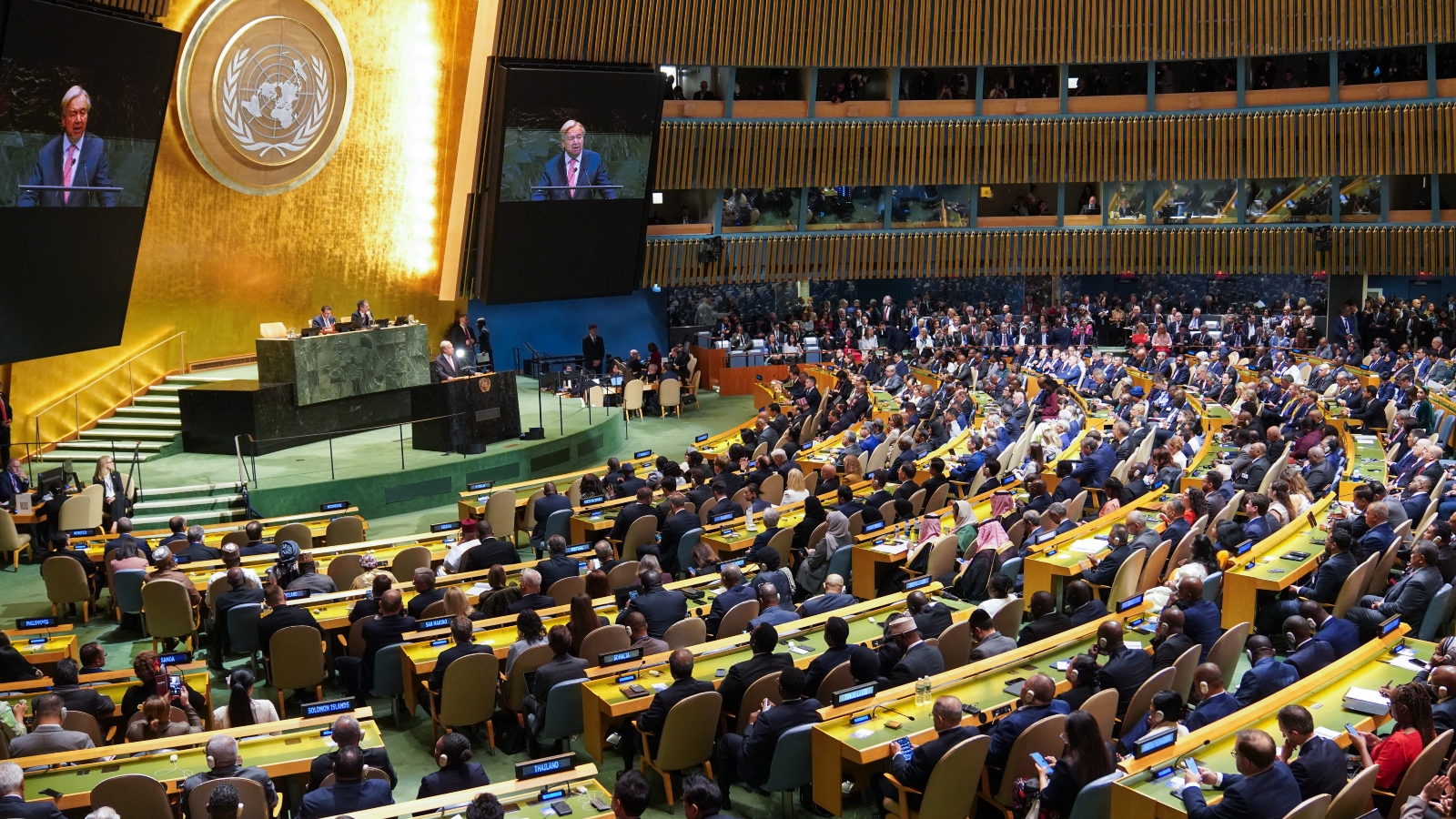
- The UN General Assembly passed a resolution 141-8 welcoming the International Court of Justice's advisory opinion on climate change, with 39 abstentions; the United States was among the eight countries that voted against.
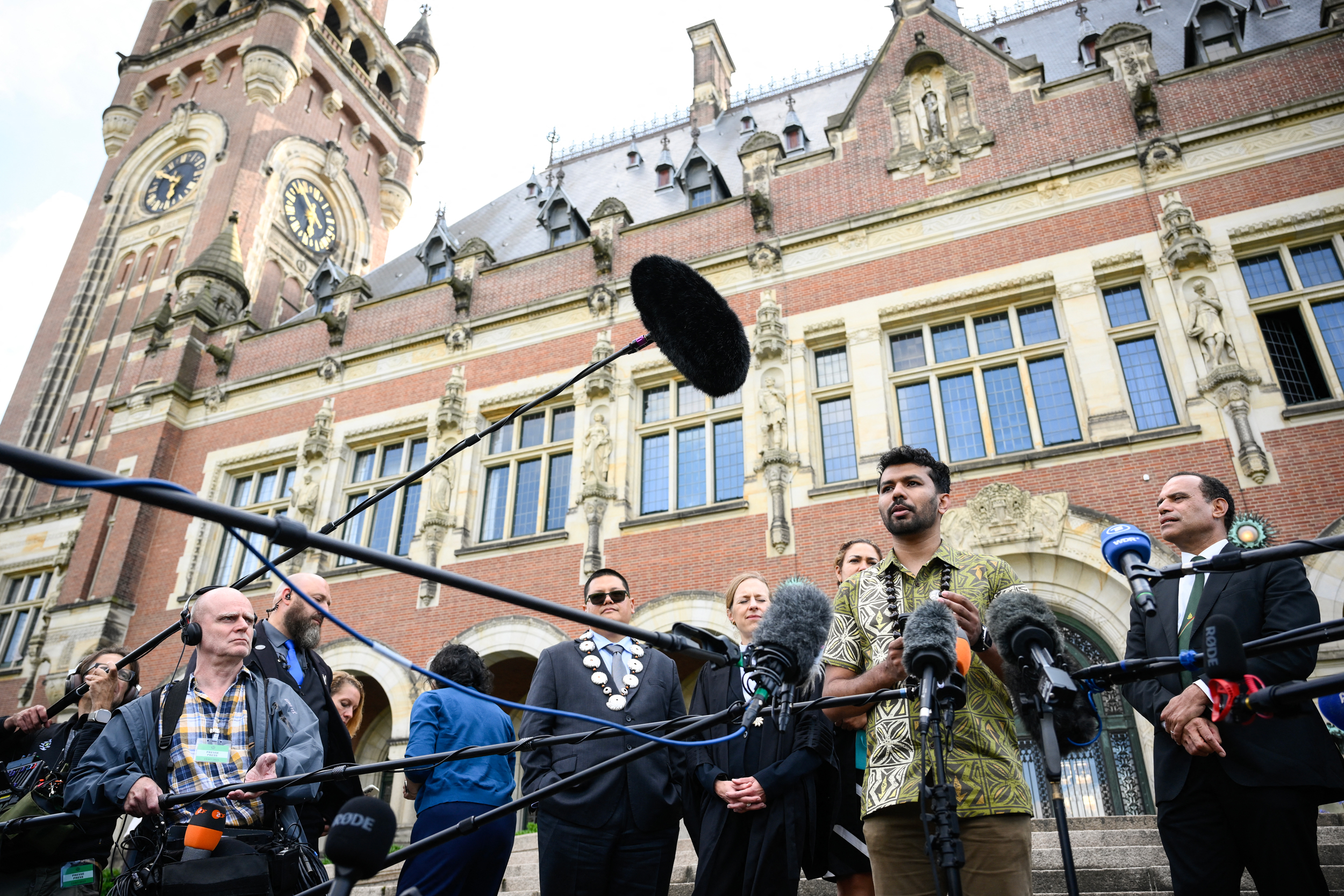
- Vishal Prasad and Pacific Islands Students Fighting Climate Change launched the legal push in 2019, enlisting island governments that built a cross-continental coalition to bring the case before the world's top court after mass Fridays For Future marches.
- The ICJ's nonbinding advisory opinion — issued last year after a unanimous 2022 General Assembly request — links climate change to human rights law and states that state-attributable climate harm triggers "the duty to provide full reparation."
- The resolution's language could open the door to climate reparations or compensation, an idea bitterly disputed by major industrialized emitters but championed by low-lying nations facing existential sea-level rise.
- The opinion is already anchoring climate lawsuits from Brazil to Canada, and Wednesday's vote gives youth activists and vulnerable countries a politically legitimized legal tool, per Joie Chowdhury of the Center for International Environmental Law.
- Chowdhury framed the vote as proof that "multilateralism is not broken," arguing the procedural resistance from opposing states reveals that the fossil fuel industry "fears the global legitimacy of the ICJ."
Why it matters: With 141 states now affirming the ICJ's legal conclusions, climate-vulnerable nations and youth activists gain a hardened tool to pursue reparations lawsuits, challenge trade arrangements, and pressure holdout governments — while the eight opposing states (led by the US) signal exactly where the legal and political resistance will concentrate next.
Ask SkimNews