Iran War Reveals Radar Gap China Can Exploit — SkimNews

Get the Geopolitics newsletter
Daily geopolitics — wars, elections, sanctions, the diplomatic moves that move markets. Free.
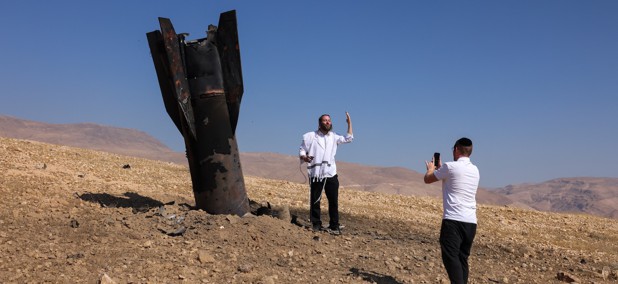
- Iran struck an estimated 20 US military sites across the region, but its missiles lacked the precision for counterforce operations, and the conflict has produced only 13 confirmed US fatalities.
- Iran damaged or destroyed advanced AN/TPY-2 and AN/FPS-132 radar systems in Jordan, Qatar, Saudi Arabia, and the UAE, exposing a critical gap in the US missile defense network.
- China has developed hypersonic glide vehicles (DF-17, DF-27, YJ-17) and the YJ-19 cruise missile — systems explicitly designed to evade radar and destroy missile defense infrastructure early in a conflict.
- The United States would face a far more complex operating environment in East Asia than the Middle East, simultaneously confronting hundreds of Chinese aircraft, surface naval forces, submarines, and helicopters.
- Carter Malkasian of the National War College argued in Foreign Affairs that Iran war interception successes may give China pause over Taiwan — but the article warns Beijing may instead conclude its forces could defeat the US outright.
- Unlike Iran, which pursued a cost-imposition strategy using imprecise strikes, China would seek outright military victory and territorial seizure of Taiwan in a conflict it has spent decades preparing to fight.
Why it matters: The article argues that applying Iran war interception metrics to a China-Taiwan conflict overlooks an exposed vulnerability: China has the hypersonic glide vehicles, maneuvering cruise missiles, and electronic warfare capabilities to destroy the radar infrastructure on which missile defense depends, potentially leaving US and allied forces unable to detect incoming threats at all.
Ask SkimNews