Toyota Dealer Cuts Energy Costs 55% With AI Battery System — SkimNews
Get the Energy newsletter
Daily energy & climate — solar, EVs, oil, the policy fights and tech bets shaping the transition. Free.
- Sunrise Toyota cut energy costs by an average of 55% over three months at its Oakdale and Medford dealerships after installing an integrated system of solar panels, battery storage, DC fast chargers, and AI energy management software.
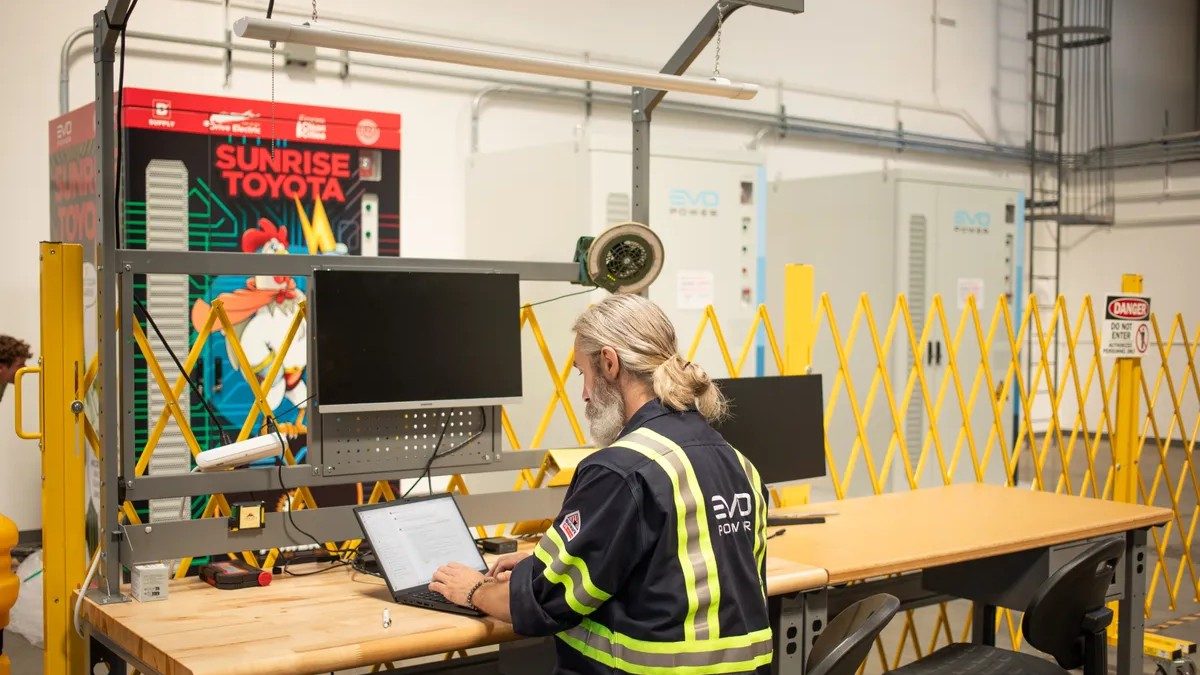
- Sprocket Power built and operates the system, which pairs EVO Power batteries and Kempower DC fast chargers with Ranial Systems software that decides when to store or discharge power to keep the dealerships' peak grid draw down.
- The Ranial AI can also directly control the EV chargers and enroll the dealerships in utility grid programs that earn bill credits and revenue, with Sprocket's case study projecting the project will ultimately cut net utility costs by 90% and pay back in five years.
- EVO Power reported the system held 99% battery uptime and reduced peak demand by up to 101 kilowatts during its first three months, though the outlet notes those figures have not been independently verified.
- EVO Power USA and Ranial Systems announced a partnership to deploy the same battery-plus-software model at commercial and industrial sites nationwide, with EVO supplying the hardware and Ranial providing the control software.
Why it matters: Commercial customers pay demand charges based on peak power use, which is what makes DC fast chargers financially painful for businesses; this project shows AI-coordinated batteries can slash those peaks by 101 kW while earning revenue from grid programs. With EVO Power USA and Ranial Systems now scaling the model nationally, dealerships and other commercial sites facing similar cost structures have a replicable template — though Sprocket says grid-program revenue accounts for roughly half the ongoing financial benefit, tying the business case to utility incentives.
Ask SkimNews

![ELM MicroGrid installs battery storage in its hometown [video]](https://electrek.co/wp-content/uploads/sites/3/2026/06/ELM_PEORIA.jpg?quality=82&strip=all&w=1600)