Agrovoltaic tomato system halves water, trades 20% yield — SkimNews

Get the Health newsletter
Daily health & science — research, biotech, public health, the studies worth knowing. Free.
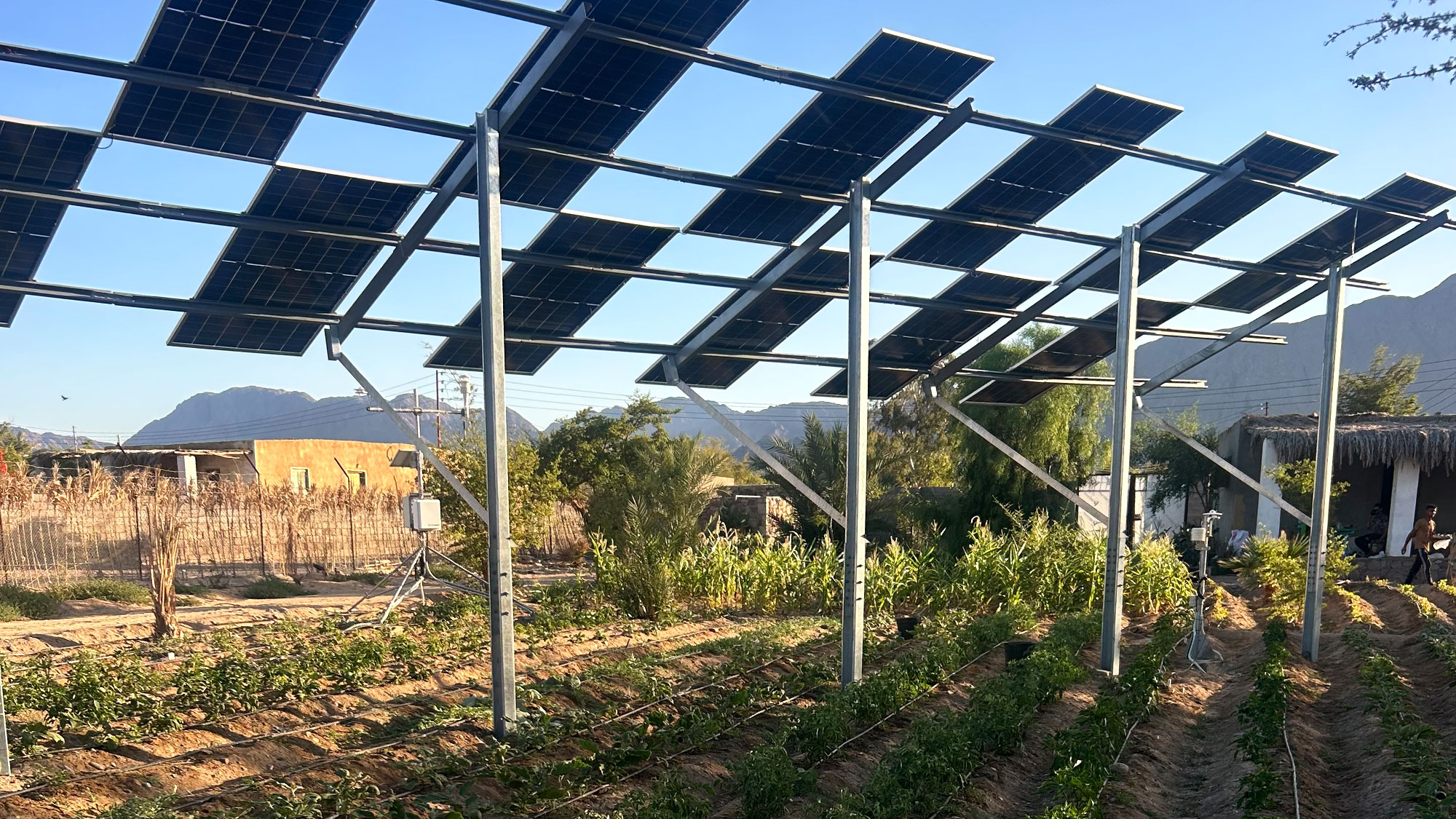
- University of Seville and Polytechnic University of Madrid researchers ran a 2024 field study in Madrid and Seville testing agrovoltaic systems combined with regulated deficit irrigation on tomato crops, published in Agricultural Water Management.
- The deficit irrigation strategy reduced water consumption by approximately 50% compared to traditional irrigation methods.
- The 50% water cut triggered a roughly 20% yield decrease in the regulated deficit irrigation treatment, attributed to severe water stress during the ripening phase.
- Irrigation water productivity increased significantly in the Seville treatments, meaning more fruit was produced per drop of water invested despite the lower volume.
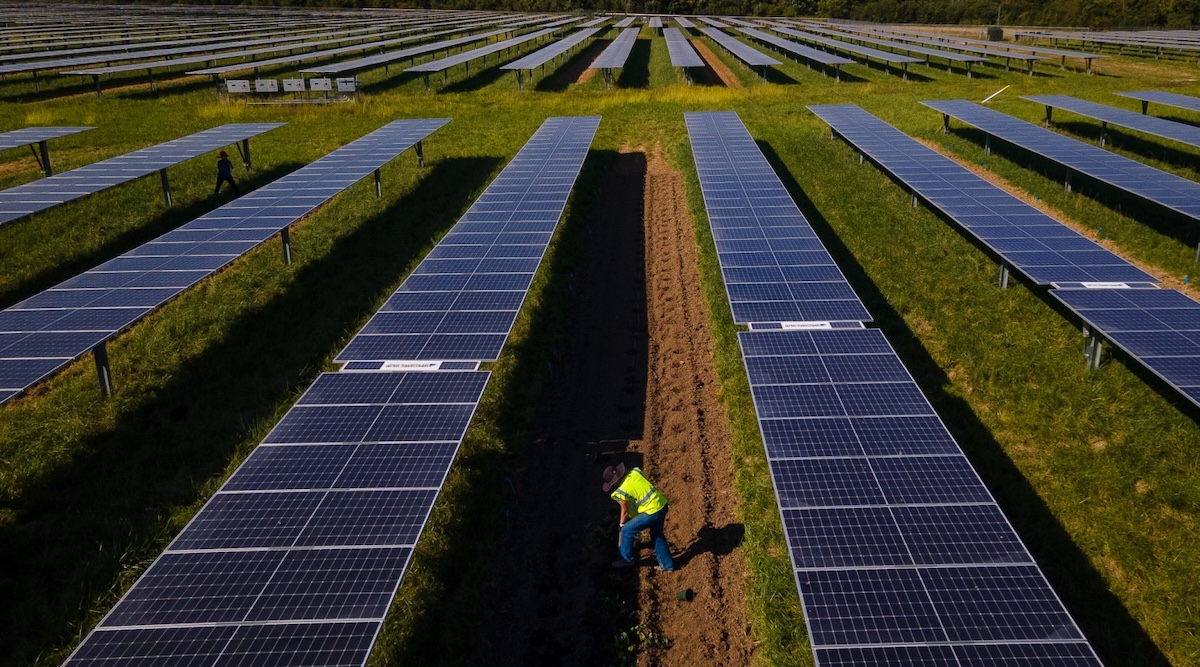
- Land Equivalent Ratio values of 1.54 in Madrid and 1.67 in Seville confirmed that combined tomato-and-energy production is more efficient than the same activities on separate plots.
- The shade from photovoltaic panels reduced available radiation but still allowed adequate plant development at most stages of the crop cycle.
- Researchers recommended pairing plant water-status measurements with soil moisture sensors to further optimize irrigation management and avoid excessive stress in agrovoltaic setups.
Why it matters: The Land Equivalent Ratio above 1.5 at both test sites provides hard validation that dual land use beats single-purpose farming — a concrete efficiency proof, not a theoretical claim. For water-scarce tomato-growing regions, trading roughly 20% of yield for 50% less water plus a solar energy revenue stream reshapes the per-hectare economics, but only if precision irrigation prevents the ripening-phase stress that drove the yield loss.
Ask SkimNews