Climate change lengthens Europe pollen season by 2 weeks — SkimNews
Get the Energy newsletter
Daily energy & climate — solar, EVs, oil, the policy fights and tech bets shaping the transition. Free.
- Lancet study found climate breakdown has extended the European pollen season by one to two weeks compared to the 1990s, with a separate review confirming birch, alder, and olive tree seasons now start 1-2 weeks earlier than three decades ago.
- Allergic rhinitis affects tens of millions of people in Europe, and US research shows some plants also release more pollen as a result of the extra carbon dioxide they absorb.
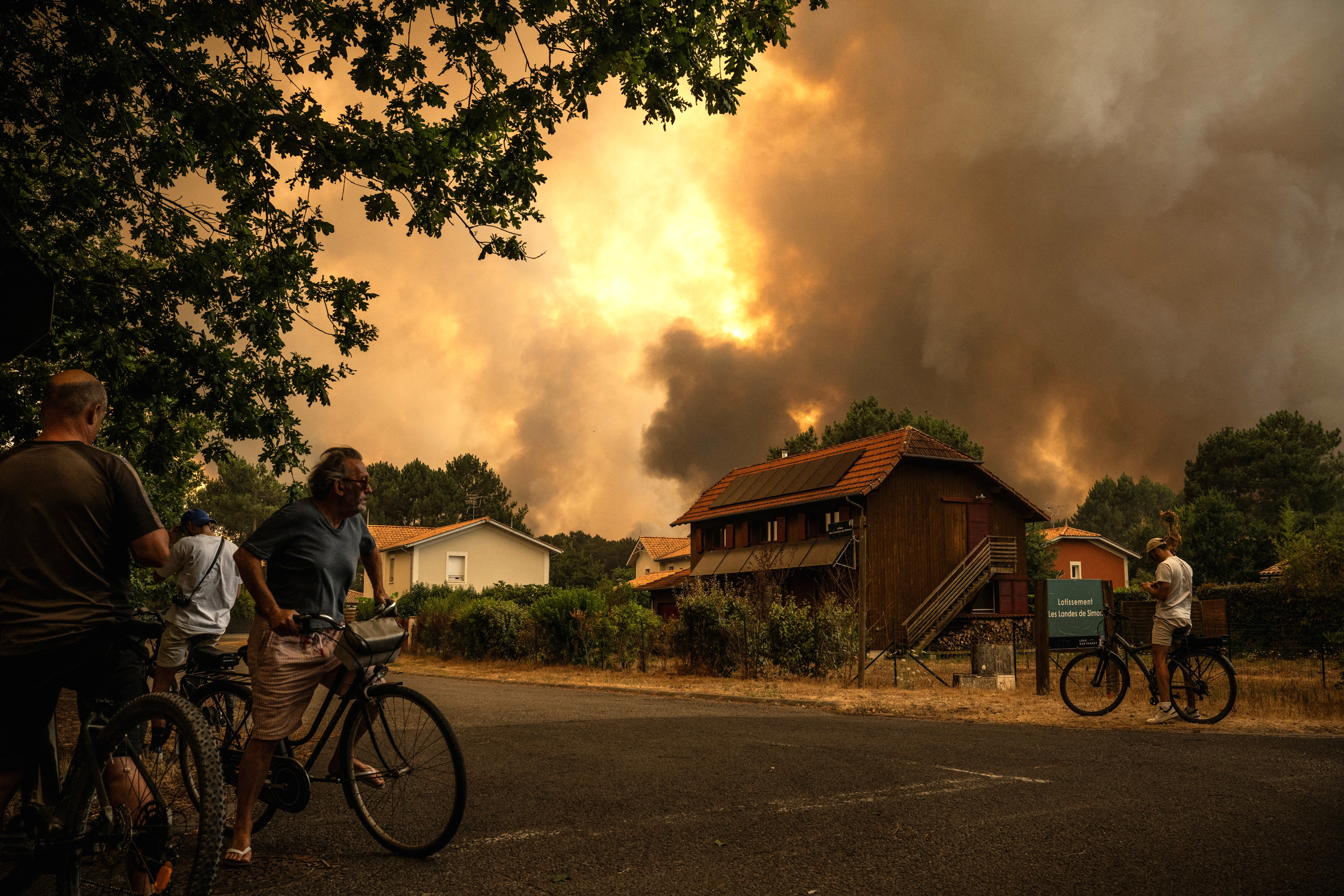
- Climate impacts are reshaping nature-based travel: beach resorts choked by wildfire smoke and Alpine mountains deprived of snow are joining a growing list of natural attractions clashing with global heating.
- The planet is on track for 2.6C of warming by the end of the century - well past the 2C threshold at which coral reefs would be wiped out, per the article.
- A leading tourism researcher argues climate-driven price spikes on insurance, coffee, and flights are pushing travel from the era of 'mass tourism' into 'non-tourism', further shrinking access to biodiversity.
- The piece frames a perverse irony: 'big oil has unwittingly used nature to turn our bodies against us, hampering our ability to appreciate the very thing we're losing.'
Why it matters: Climate change's health and quality-of-life costs extend well beyond extreme weather - longer allergy seasons already affect tens of millions of Europeans, and the cumulative drag on productivity, outdoor enjoyment, and nature-based travel reframes the crisis as a mundane but intimate erosion of daily life, not just a future catastrophe.
Ask SkimNews