Iran war fertilizer crisis spares Europe's regenerative farmers — SkimNews

Get the Geopolitics newsletter
Daily geopolitics — wars, elections, sanctions, the diplomatic moves that move markets. Free.
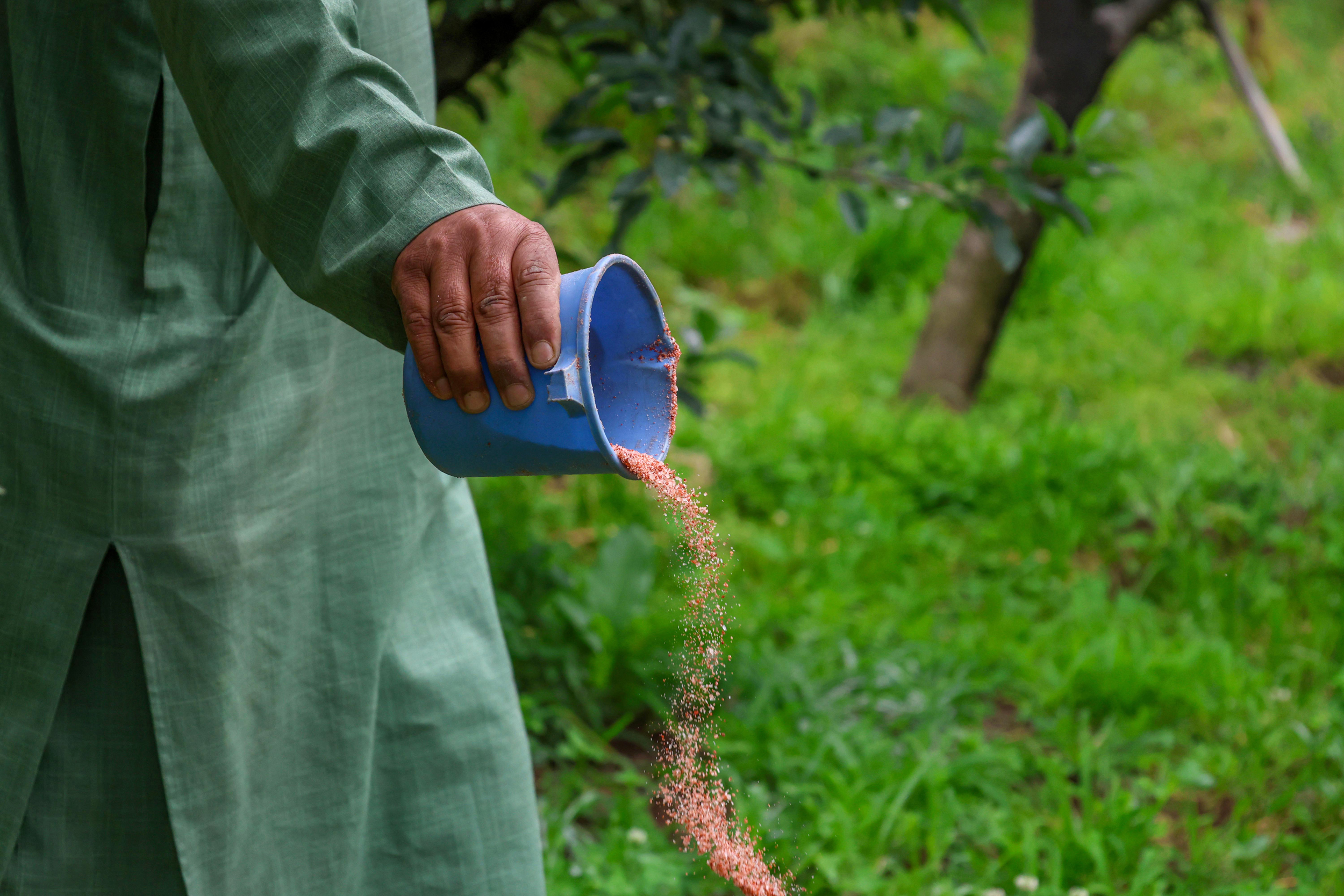
- Iran war has disrupted fertilizer supplies and pushed fuel prices higher, creating a crisis for European farms that rely on imported synthetic inputs, while regenerative farms using compost, manure, rotational grazing, and cover crops achieve similar yields at lower costs.
- Strait of Hormuz blockage has put around a third of the world's fertilizer trade on hold, and the chokepoint also carries roughly one-fifth of global oil exports, a key feedstock for synthetic nitrogen-based fertilizer production.
- Regenerative farms build soil fertility naturally through compost, animal manure, rotational grazing, and off-season cover crops, reducing their exposure to global supply chain disruptions while also cutting pollution and supporting biodiversity.
- Synthetic nitrogen-based fertilizers feed roughly half the global population's crops, but their overuse pollutes water and air, degrades soil, and poses human health risks — costs that become starkly visible during fossil fuel price shocks.
- Commonland managing director Gabrielle Taus said every fossil fuel crisis exposes conventional agriculture's vulnerability, noting that farmers tied to synthetic fertilizers face price shocks they cannot control.
- Sheila Darmos, a third-generation farmer in Greece, generates nitrogen naturally on her farm, illustrating the regenerative approach in practice amid Europe's broader scramble for fertilizer alternatives.
Why it matters: The Iran war and Strait of Hormuz closure have exposed a structural vulnerability in European conventional agriculture, which depends on synthetic nitrogen fertilizers derived from natural gas and shipped through a now-blocked chokepoint. Regenerative farmers sidestep that exposure entirely while maintaining comparable yields, giving policymakers and the EU a working model to scale as geopolitical disruptions to fertilizer and fuel supply chains become more frequent.
Ask SkimNews