Iran War Enters Week 4 as US Considers 'Winding Down' — SkimNews
SkimNews Take
With Iranian missiles now reaching a distant U.S.-U.K. base, claims of reduced attacks and a winding-down posture leave any exit vulnerable to a single high-profile strike that reframes the narrative before it closes.
Get the Geopolitics newsletter
Daily geopolitics — wars, elections, sanctions, the diplomatic moves that move markets. Free.
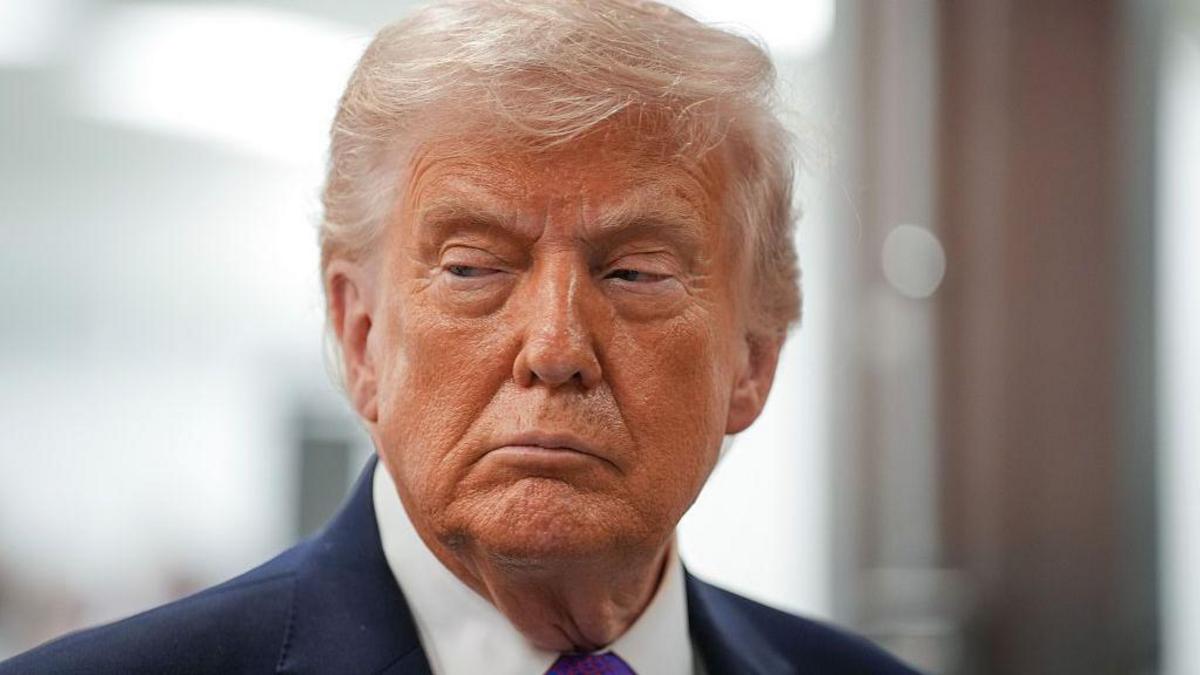
- Trump said Friday the administration is considering 'winding down' military efforts in Iran, listing as progress the degradation of Iran's missile capabilities, navy, air force, anti-aircraft weaponry, and nuclear capability
- U.S. and Israel claim to dominate the skies over Iran, with the Department of Defense reporting Iranian missile and drone attacks are down 90% from the early days of the war
- U.S. Central Command said the U.S. has struck 8,000 Iranian targets since the war began, and is now deploying Apache helicopters and A-10 Warthogs to target Iran's small fast boats in the Persian Gulf
- Trump administration temporarily lifted sanctions on Iranian oil currently loaded on ships — lasting until April 19, 2026 — a reversal Treasury Secretary Scott Bessent said will add about 140 million barrels to the global oil market
- Strait of Hormuz traffic has nearly halted with over 3,000 vessels stranded in the Persian Gulf, according to the International Maritime Organization; oil prices have risen roughly 45% since the war began, with crude topping $110 per barrel
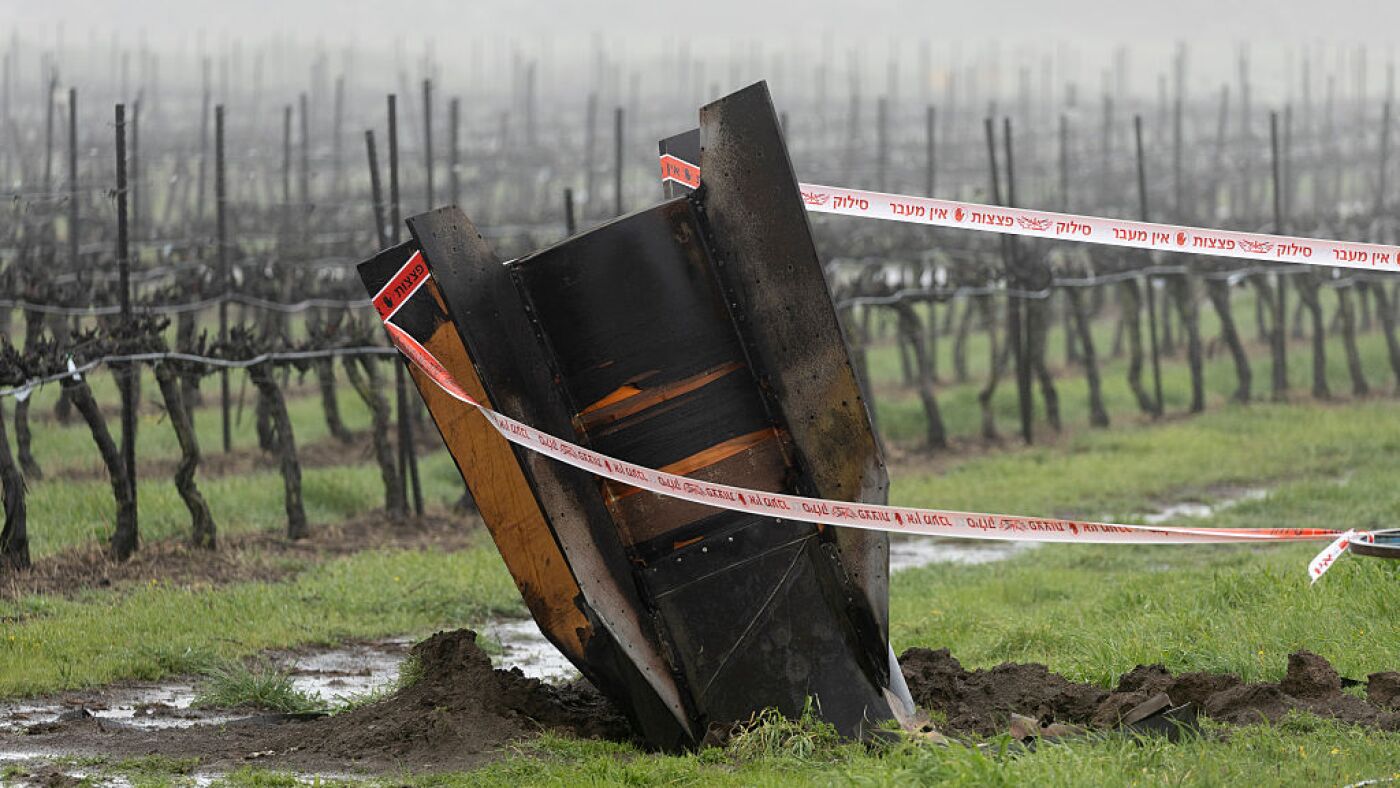
- Britain said Iran attempted to strike Diego Garcia, a joint U.S.-U.K. base on the Chagos Islands some 2,500 miles from Tehran, in an unsuccessful missile attack suggesting Iranian capabilities beyond prior estimates
- Thousands of additional Marines from the USS Boxer and USS Tripoli groups are deploying to the Persian Gulf, even as Trump publicly said he is 'not putting troops anywhere'
Why it matters: Trump is publicly floating an off-ramp while simultaneously deploying more Marines — leaving the war's trajectory in limbo. The sanctions reversal on Iranian oil at sea is a direct concession to market pressure: freeing roughly 140 million barrels implicitly acknowledges the Strait of Hormuz shutdown isn't ending soon, with crude already above $110 a barrel.
Ask SkimNews