Indonesia Tells Singapore: Ground Crews Over Helicopters — SkimNews
Get the Energy newsletter
Daily energy & climate — solar, EVs, oil, the policy fights and tech bets shaping the transition. Free.
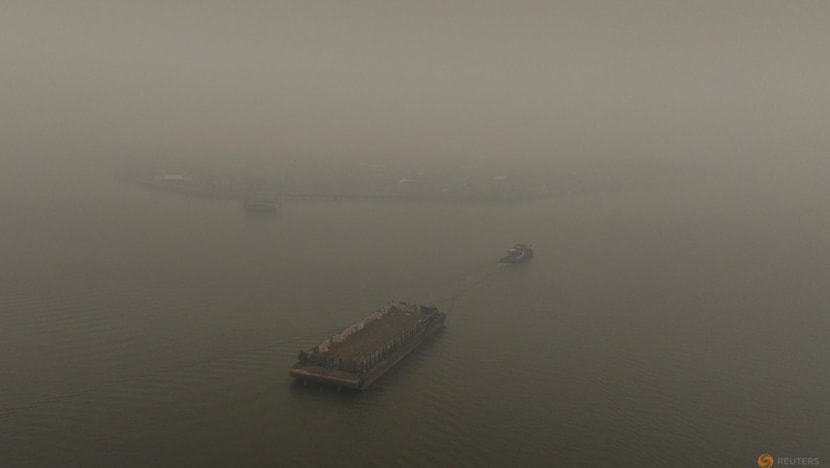
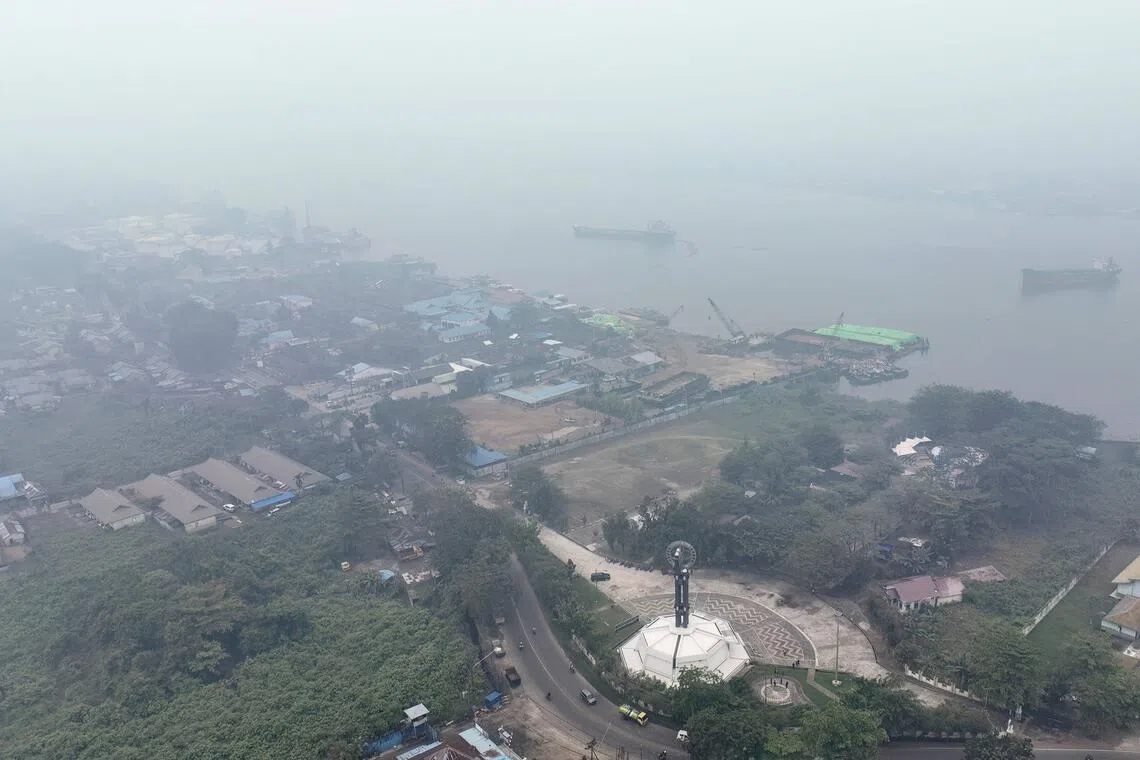
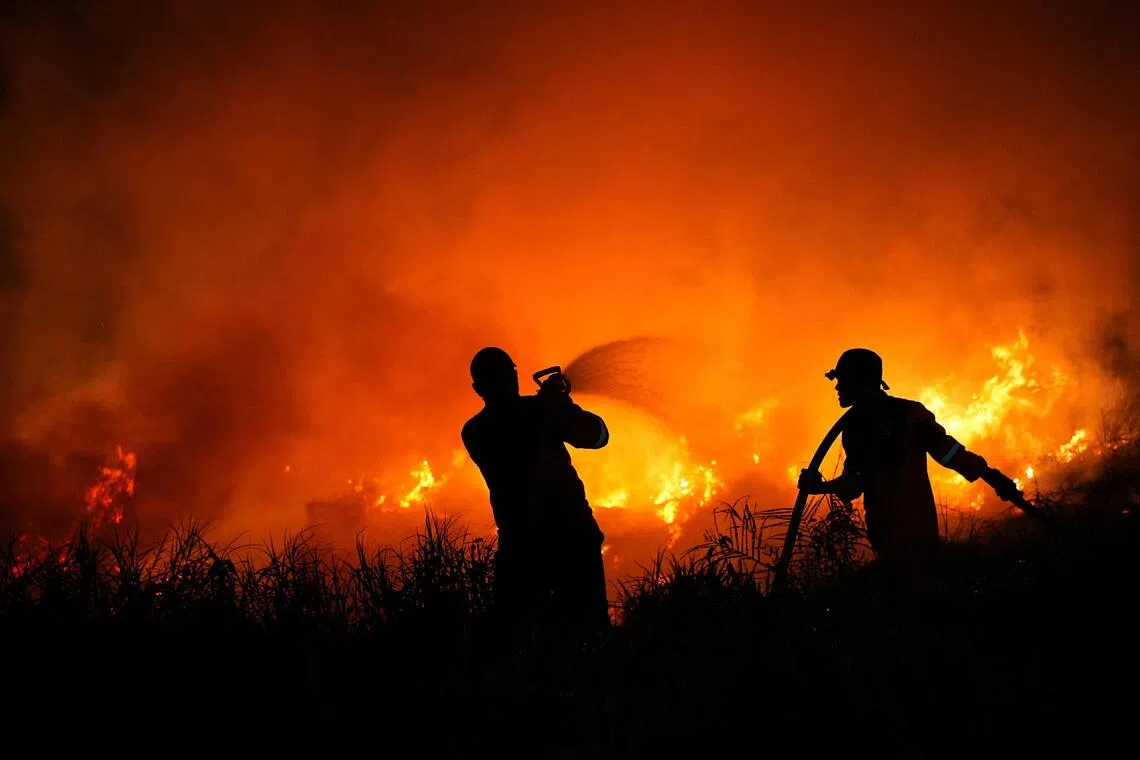
- Indonesia's National Disaster Mitigation Agency (BNPB) welcomed assistance offers from Singapore and Malaysia, but acting spokesman Berton Panjaitan told The Straits Times on Oct 10 that low visibility makes helicopters less effective than ground crews for firefighting.
- Singapore's 24-hour PSI hit 192 in central Singapore at 6pm on Oct 9 — its highest 2026 reading and just below the 201 "very unhealthy" threshold — raising concerns about the Oct 9-11 Singapore Airlines Singapore Grand Prix at the Marina Bay Street Circuit.
- Anwar Ibrahim said on Oct 8 that President Prabowo had agreed to take steps on the haze after their phone call, and Foreign Minister Mohamad Hasan said on Oct 7 that Prabowo had accepted Malaysia's offer of firefighting personnel, with deployment details still under discussion.
- Singapore's Grace Fu said on Oct 10 she had been in touch with Indonesian Environment Minister Jumhur Hidayat and stood ready to assist — the city-state previously sent a SCDF team, an RSAF Chinook and 34 SAF personnel during the 2015 fires.
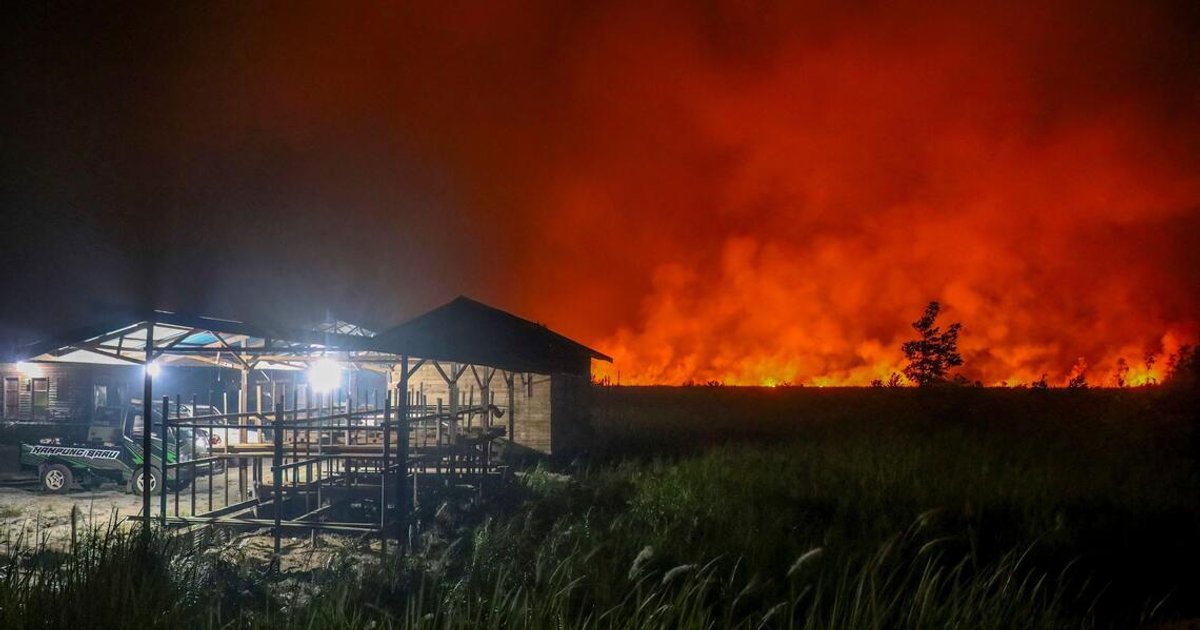
- Indonesia has 61 aircraft on standby against peat fires across Sumatra and Kalimantan, where Berton told Kompas TV on Oct 10 that only heavy rain — expected in late October or early November — can flood the peatland and extinguish the blazes.
- A Singapore-Indonesia environmental cooperation agreement was signed in June 2026 and ASEAN environment ministers praised Indonesia's progress in July on setting up a regional haze coordination centre, but ASEAN's legal database lists the centre's status as "Not In Force."
Why it matters: Indonesia's call for ground crews over helicopters reframes how Singapore's PSI-192 emergency and the F1 race translate into cross-border deployment decisions, while the ASEAN haze coordination centre still showing "Not In Force" seven years after Singapore's last major deployment shows regional frameworks remain non-operational when they are most needed.
Ask SkimNews