Gas, Airfare Relief Slow Even If Iran Ceasefire Holds — SkimNews
Get the Finance newsletter
Daily finance — markets, central banks, M&A, the prints that move money. Free.
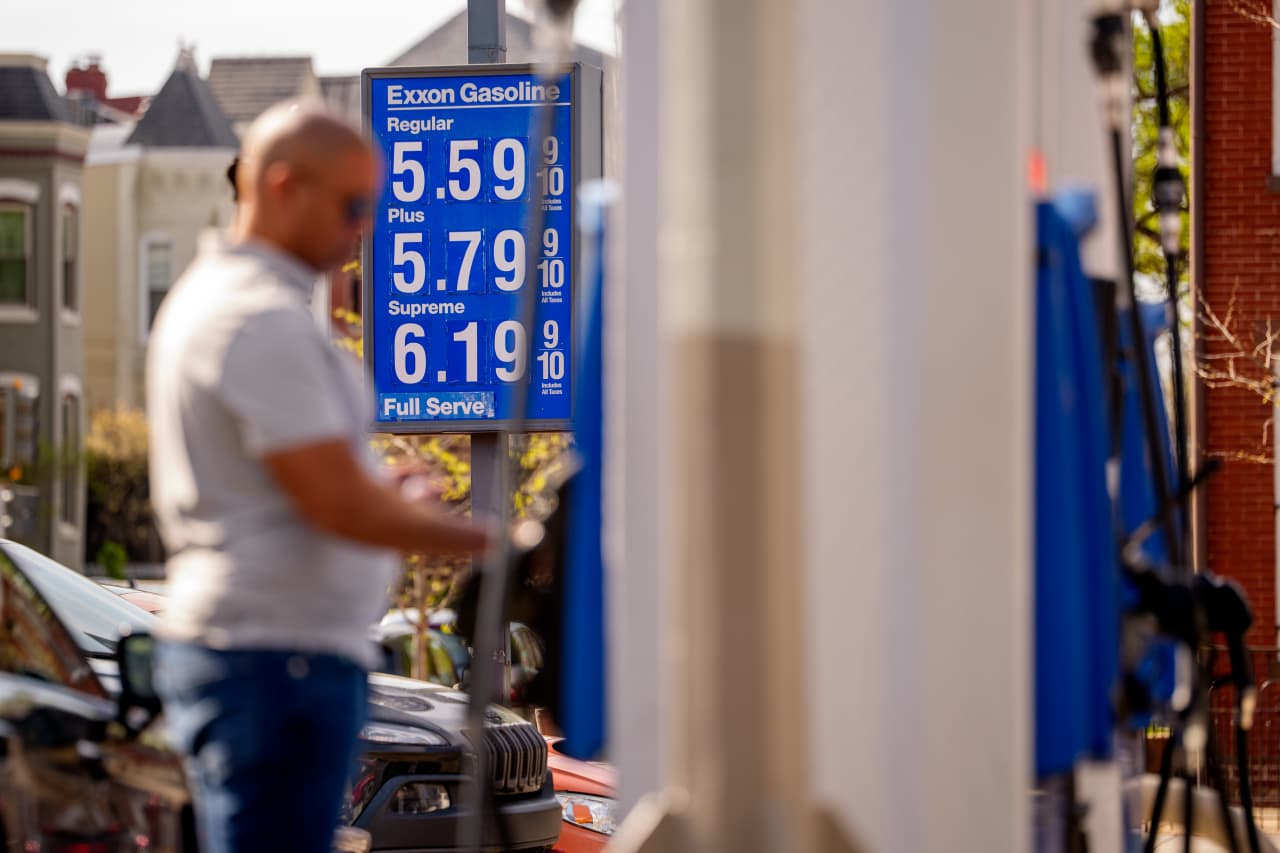
- U.S. national gas prices surged from $2.98 per gallon before Operation Epic Fury to $4.16 per gallon as of Wednesday, per AAA and GasBuddy
- Raymond James analyst Pavel Molchanov said the oil-market plunge should shave roughly $0.45 per gallon, pulling the national average to around $3.70, but it will take at least two weeks for that drop to fully show at the pump
- GasBuddy's Patrick De Haan warned that any new escalations or rhetoric can quickly reverse expected declines, and that stations could still raise prices Wednesday before weekend drops of 1 to 3 cents every couple of days
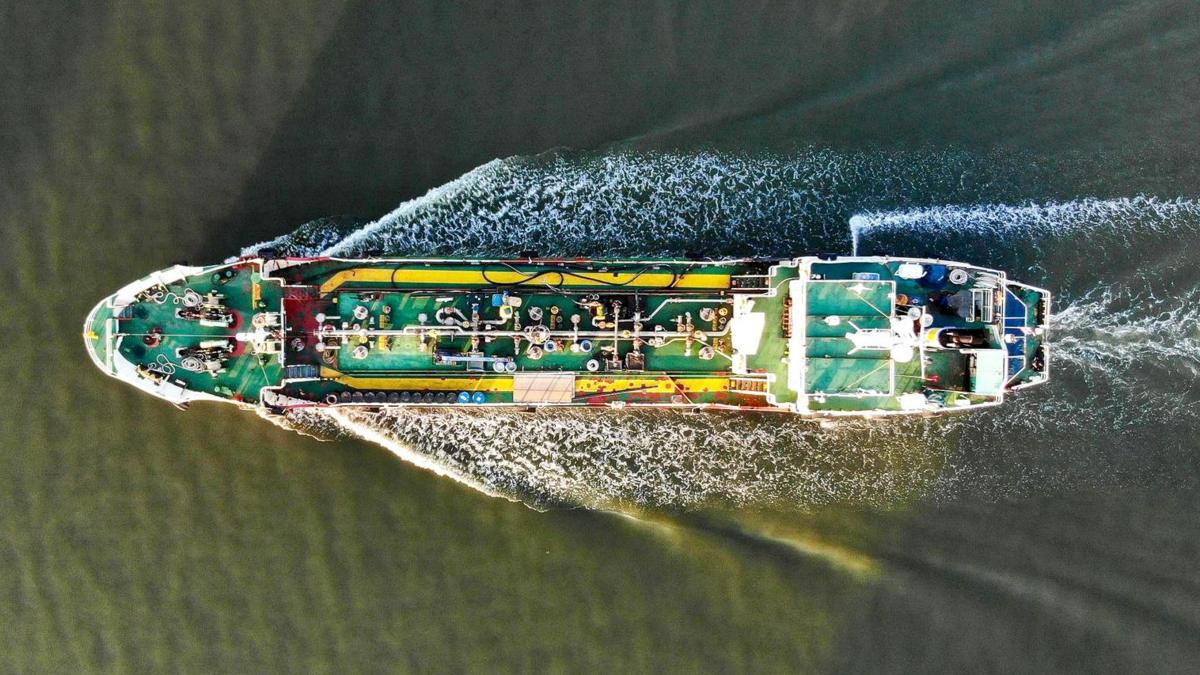
- An Iranian news report said Strait of Hormuz tanker traffic was halted again amid Israeli attacks in Lebanon, with Iran reportedly tying its participation in peace talks to an end to the fighting there
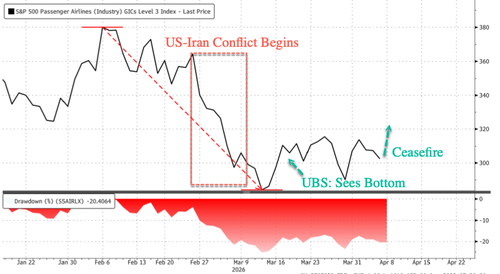
- Delta CEO Ed Bastian said the war caused an "unprecedented spike in jet fuel" with prices roughly double prewar levels, per the Argus U.S. Jet Fuel Index, and JD Power's Michael Taylor said airfare prices are "sticky" and won't react as fast as pump prices
- University of Texas energy expert Michael Webber cautioned that even if the Strait of Hormuz fully reopens, restoring shipping lanes and maritime traffic will take "at least weeks and most likely more than a month"
- AAA spokesperson Aixa Diaz noted this is the high season for gas prices, with more expensive summer-blend fuel hitting the market and pump prices normally peaking around July
Why it matters: American drivers paying $4.16 a gallon and airlines grappling with doubled jet-fuel costs face a multi-week wait for any meaningful price relief — Molchanov's projected $3.70 national average is still 24% above the $2.98 prewar price, Webber's one-month-plus shipping-restoration timeline means diesel and jet fuel stay elevated through summer, and De Haan's warning that any escalation reverses the drop keeps consumers and carriers exposed heading into peak travel season.
Ask SkimNews