Country diary: Lave net fishing is a tradition in trouble | Gwyneth Lewis — SkimNews

Get the Energy newsletter
Daily energy & climate — solar, EVs, oil, the policy fights and tech bets shaping the transition. Free.
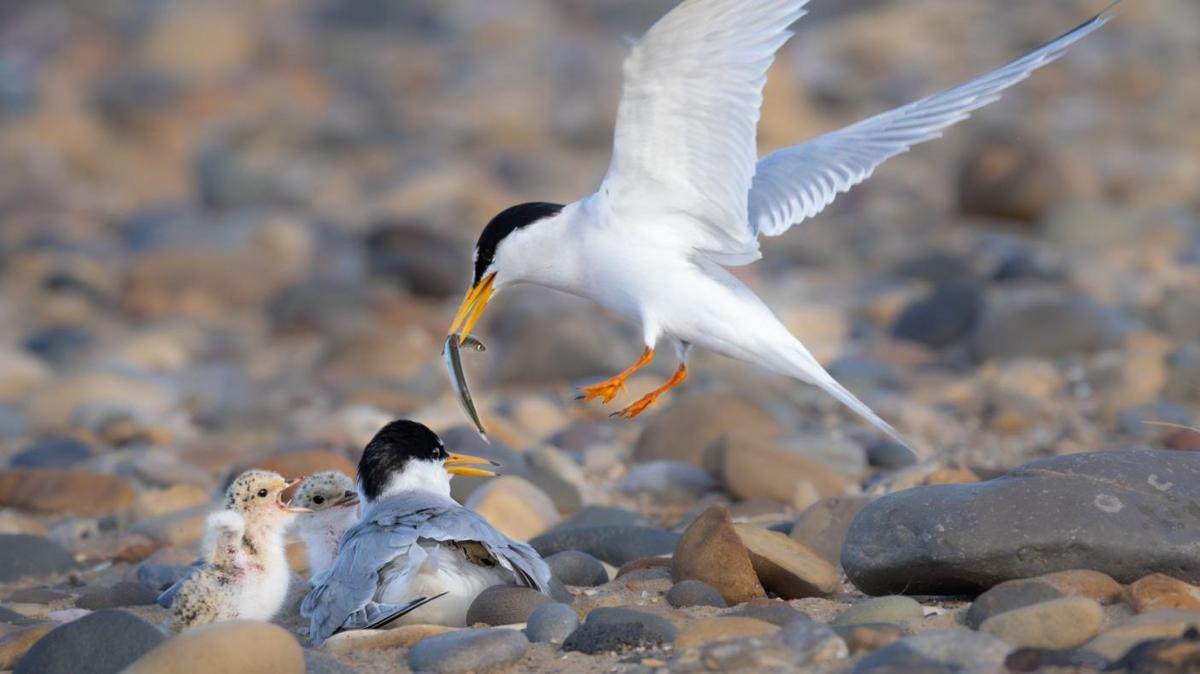
- Black Rock Lave Net Fishery has seen activity drop 80% since 2020, and no salmon have been caught since 2019, according to secretary Martin Morgan.
- Martin Morgan argues Natural Resources Wales regulation is throttling a sustainable practice aimed at the wrong target, saying salmon won't rebound "until our rivers become a place where these fish can thrive."
- The lave net — a foldable Y-shaped frame of pollarded willow with a horseshoe-shaped net strung between the arms — has been used in the Bristol Channel since the 1600s to catch salmon, mullet, and flounder.
- Morgan attributes the decline to falling stocks, tightening legislation, and a lack of young people to carry forward the skills; the fishery was founded by his great-grandfather over 100 years ago.
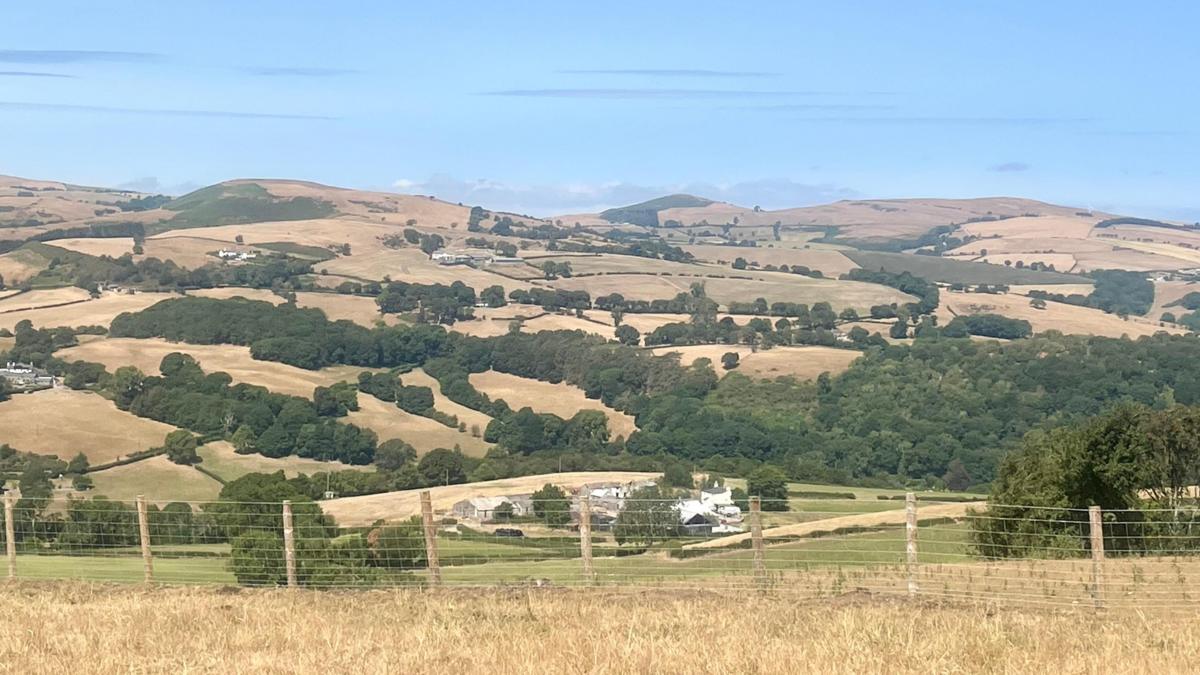
- The Bristol Channel has the world's second-highest tidal range, and the fishery operates between the two Severn crossings, with the season ending in August.
- The fishery maintains a museum preserving its history, while silt in the Severn still reveals putchers — hazel-and-willow cones that are remnants of older salmon-catching methods.
Why it matters: Lave net fishing, a 400-year-old Severn tradition now down 80% since 2020 with no salmon caught since 2019, faces what secretary Martin Morgan calls a misdirected fight: Natural Resources Wales regulation, he argues, targets a sustainable practice while the real barrier to salmon recovery is river health, not netting.
Ask SkimNews