London ULEZ Slashes Pollution, Restores Kids' Lungs — SkimNews
Get the Energy newsletter
Daily energy & climate — solar, EVs, oil, the policy fights and tech bets shaping the transition. Free.
- London's ULEZ report found NO2 levels 27% lower and PM2.5 levels 31% lower in outer London versus a no-ULEZ counterfactual, with Central London seeing a 54% NO2 drop and 99% of air quality monitors showing reductions.
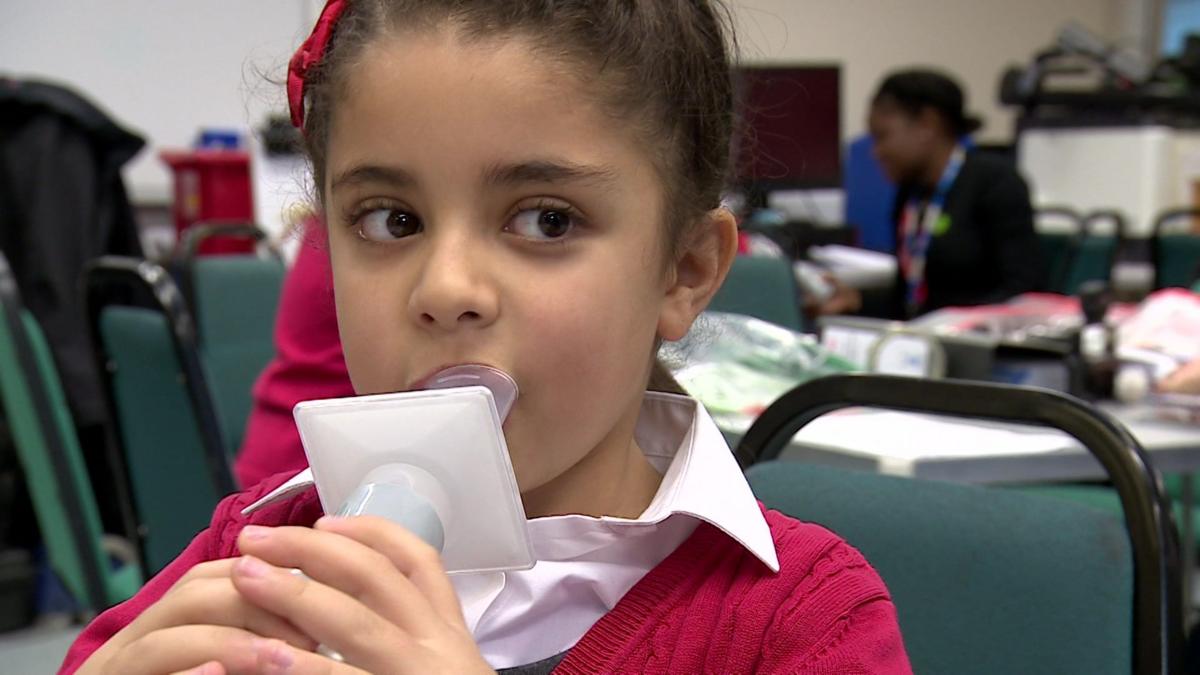
- Queen Mary University of London found that within four years of ULEZ implementation, London children's lung function caught up to children in Luton (a nearby city with no equivalent zone), with clinically impaired lung function in children falling from 14% to 9% in London.
- London's ULEZ led to 58% fewer non-compliant vehicles on the road between June 2023 and September 2024, supported by a £200m ($258m) scrappage scheme that removed 15,232 old vehicles from low-income residents.
- Mayor Sadiq Khan's ULEZ, originally launched in Central London in 2019 and expanded citywide by 2023 to cover 9 million residents, cut the share of people in deprived communities exposed to illegal pollution levels by 80%.
- London met legal NO2 limits 193 years earlier than a 2019 King's College London projection had forecast, with Khan citing a 48% NO2 drop at one monitored primary school.
- ULEZ opposition was led by former UK Prime Minister Rishi Sunak, whose own party had first proposed the zone under Boris Johnson; Khan was nonetheless re-elected mayor despite ULEZ becoming a flashpoint in UK elections.
Why it matters: Roughly 4,000 Londoners died annually from toxic air before ULEZ; near-30% reductions in the two most dangerous pollutants (NO2 and PM2.5) translate to well over a thousand lives saved per year, with the gains concentrated in deprived communities that historically bore the worst exposure. The pediatric lung-function data shows the policy is already erasing a childhood health gap with a comparable city in just four years.
Ask SkimNews