NATO allies reject Trump Hormuz blockade as oil tops $100 — SkimNews

Get the Geopolitics newsletter
Daily geopolitics — wars, elections, sanctions, the diplomatic moves that move markets. Free.
- Keir Starmer told the BBC the UK is 'not supporting the blockade' and announced a UK-France summit this week to develop a 'coordinated, independent, multinational plan' for safeguarding shipping once the conflict ends.
- Brent crude rose 7.7% to $102.52 per barrel and US crude climbed nearly 8% to $104.02 on Monday, while the UK's May wholesale gas contract jumped 11.7% in response to Trump's blockade threat.
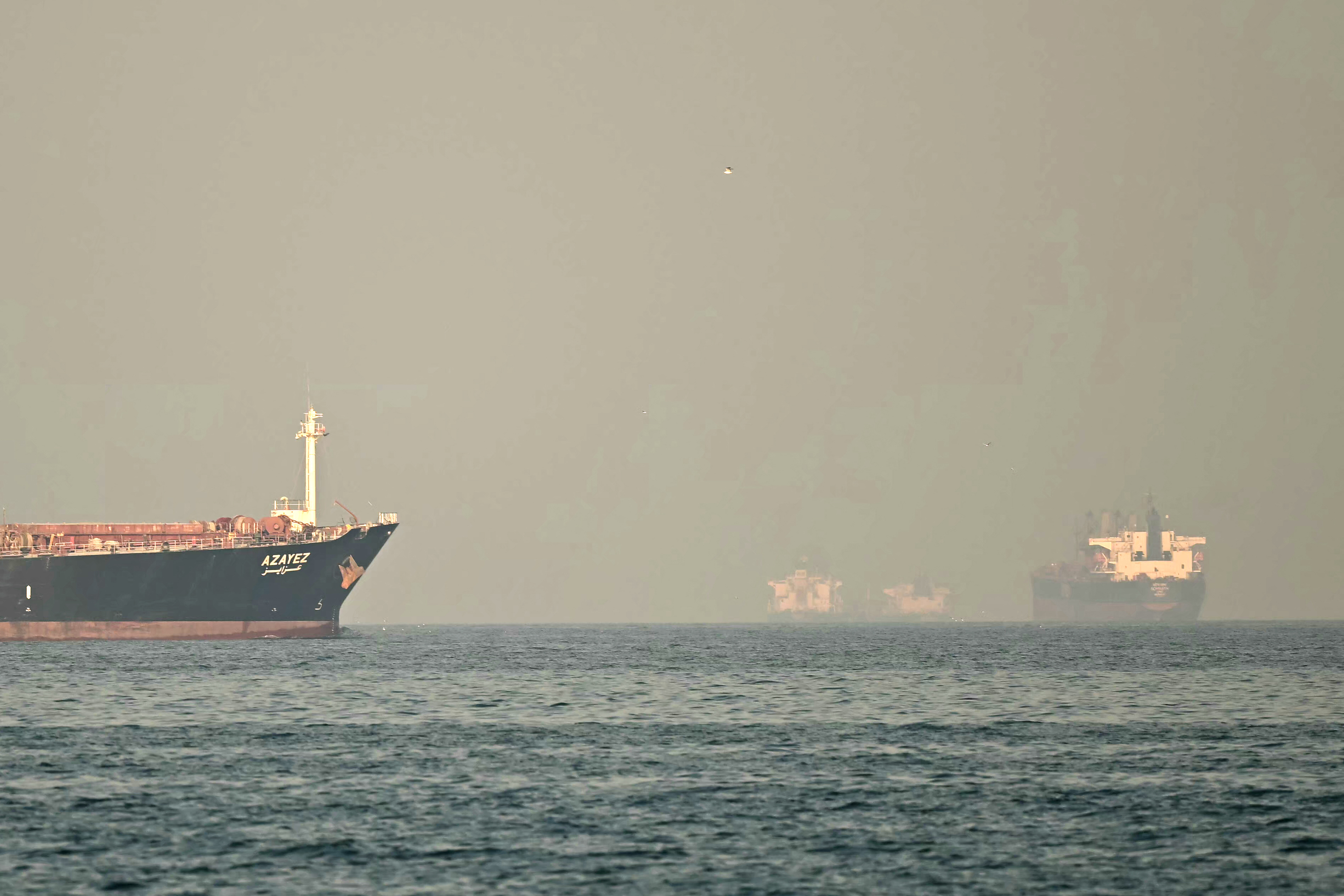
- US Central Command contradicted Trump's 'complete blockade' declaration by stating US forces 'will not impede freedom of navigation for vessels transiting the Strait of Hormuz to and from non-Iranian ports.'
- Spanish Defense Minister Margarita Robles called the blockade 'one more episode in this whole downward spiral' and confirmed Spain's military assets will not be involved in the conflict.
- Turkish Foreign Minister Hakan Fidan pushed for the Strait of Hormuz to be reopened through diplomatic means, while about 20% of global oil and LNG previously transited the waterway.
- International law professor Donald Rothwell of Australian National University wrote that under legal terms, a US blockade means 'the ceasefire is over and hostilities have resumed.'
- Iranian parliament speaker Mohammad Bagher Ghalibaf warned Americans will soon be 'nostalgic for $4-$5 gas,' while an adviser to Supreme Leader Mojtaba Khamenei said Iran retains 'large, untouched levels' to retaliate.
Why it matters: A blockade that key NATO allies refuse to join and that US Central Command itself won't fully enforce functions more as political theater than strategic action — yet it has already pushed Brent crude up 7.7% and UK gas contracts up 11.7%, hitting consumers while potentially torpedoing the fragile two-week ceasefire that one international law professor says a blockade legally terminates.
Ask SkimNews