Epilepsy drug reverses osteoarthritis damage: Yale study — SkimNews

Get the Health newsletter
Daily health & science — research, biotech, public health, the studies worth knowing. Free.
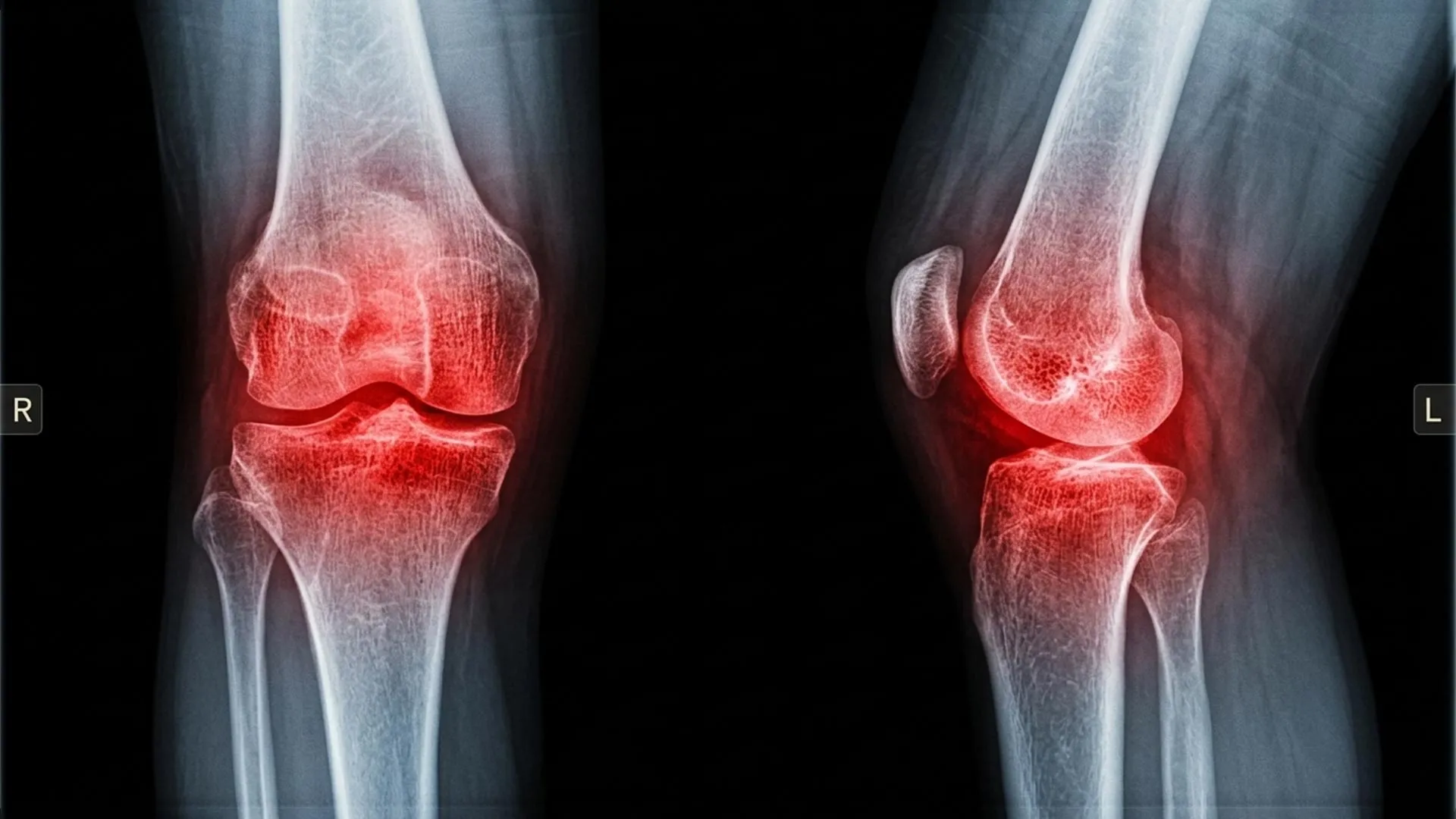
- Yale researchers led by Chuan-Ju Liu reported in Bioactive Materials that lacosamide, an FDA-approved epilepsy drug, both reduced osteoarthritis joint pain and reversed cartilage damage in preclinical studies.
- Lacosamide targets Nav1.7, a sodium channel that becomes hyperactive in osteoarthritic joints and unusually drives both pain signaling and chondrocyte-mediated cartilage breakdown from a single protein.
- At an optimal low concentration, lacosamide pushed chondrocytes toward building cartilage while suppressing tissue breakdown, and triggered release of the repair-promoting signaling proteins HSP70 and midkine.
- The team paired the drug with a Collagen II hydrogel that remains liquid inside a cool syringe and solidifies at body temperature, turning the leaky knee joint into a month-long drug reservoir.
- One intra-articular injection of the gel every four weeks prevented cartilage loss more effectively than daily oral lacosamide in the same preclinical models.
- Lacosamide's existing FDA approval for epilepsy and prior human testing in Nav1.7-related pain conditions give researchers a faster path toward osteoarthritis clinical trials than a brand-new compound would allow.
Why it matters: No FDA-approved drug currently both stops osteoarthritis pain and prevents cartilage breakdown, leaving joint replacement as the only structural fix for millions of patients. Because lacosamide is already approved for epilepsy and has been tested in humans for Nav1.7-related pain, the timeline to osteoarthritis clinical trials could be meaningfully compressed. The finding also reframes Nav1.7 as a dual-action target rather than a pain-only one, opening a new therapeutic angle for joint disease.
Ask SkimNews