Brain's Local Wiring Cushions Gray Matter Loss Effects — SkimNews
Get the Health newsletter
Daily health & science — research, biotech, public health, the studies worth knowing. Free.
- USC Keck School of Medicine researchers found that healthier superficial white matter — short nerve fibers linking nearby cortical regions — was tied to stronger language performance in 459 adults aged 60+ living across India.
- The study, published in Alzheimer's & Dementia, used diffusion MRI to measure neurite density and free water in tissue — microscopic features conventional scans miss.
- Gray matter atrophy remained the strongest overall predictor of cognitive ability, but its negative impact weakened noticeably when the surrounding superficial white matter was healthier.
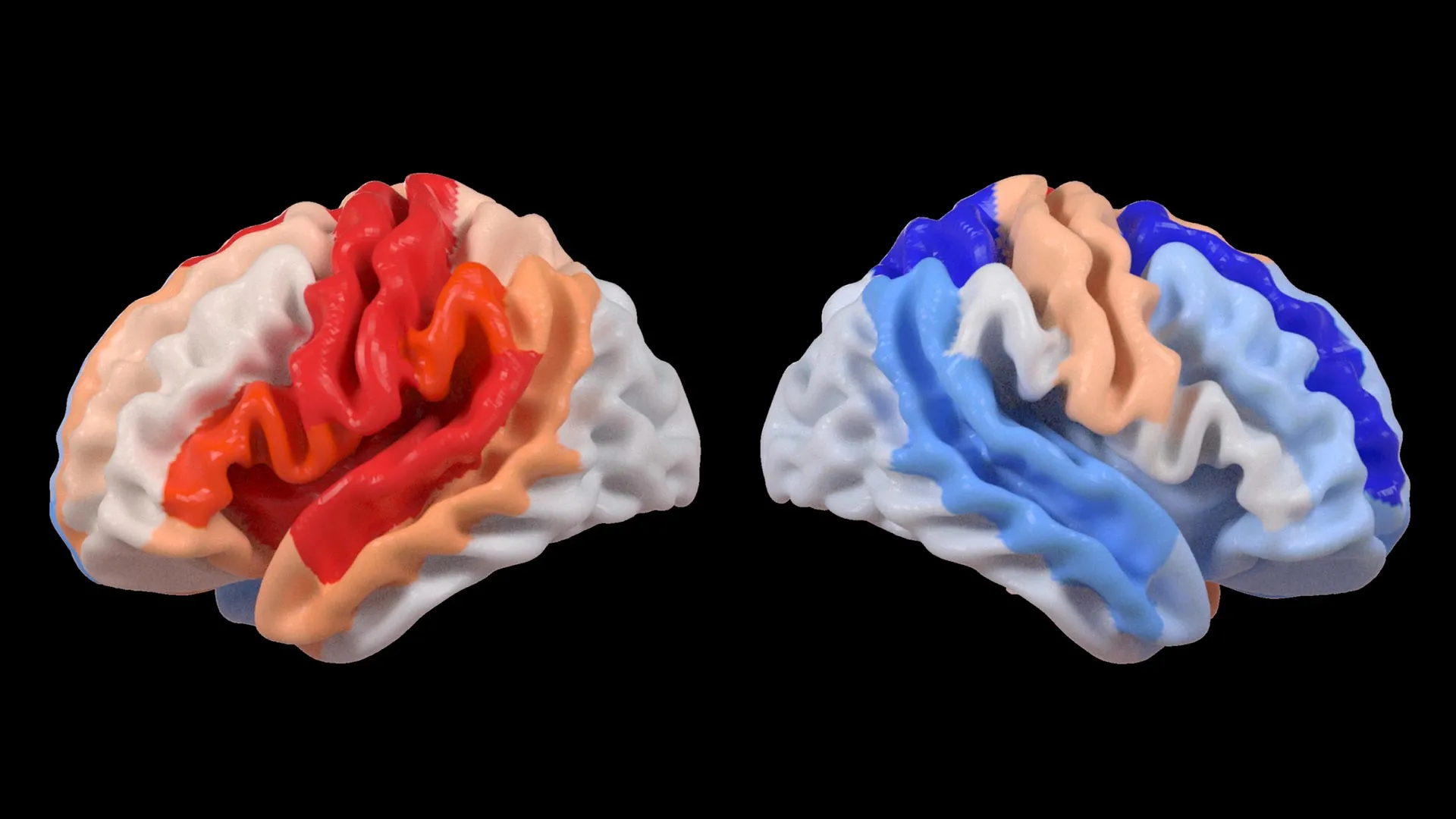
- Frontotemporal regions — areas handling word recognition, speech fluency, and verbal working memory — showed the strongest link between local-wiring health and language test scores.
- The LASI-DAD dataset (Longitudinal Aging Study in India) supplied participants, with over half having low literacy and roughly 60% living in rural areas — groups historically underrepresented in brain imaging research.
- The protective white-matter-language link was strongest among participants with no formal education, those unable to read, and rural residents, though researchers cautioned this does not prove social factors caused the brain differences.
- The cross-sectional design means researchers cannot tell whether superficial white matter deteriorates before, alongside, or after gray matter loss; longitudinal follow-up is the next step.
Why it matters: For the 459 older Indian adults studied, healthier short-range wiring appeared to soften the cognitive blow of gray matter loss — a possible biological resilience marker. Because over half of the cohort has low literacy and ~60% is rural, the study pushes brain-aging science beyond its usual wealthy, educated Western samples into demographics where the protective link was actually strongest.
Ask SkimNews