India Defies Hague Court Ruling on Indus Waters Treaty — SkimNews
Get the Geopolitics newsletter
Daily geopolitics — wars, elections, sanctions, the diplomatic moves that move markets. Free.
- Court of Arbitration ruled on Aug 31 that the Indus Waters Treaty "remains fully in force" and India's decision to hold it in abeyance was "not permissible under the Treaty or other applicable rules of international law".
- India suspended the treaty in April 2025 after 26 tourists were killed in the Pahalgam terror attack in Jammu and Kashmir, and has boycotted court proceedings since 2023, claiming the tribunal has "no jurisdiction whatsoever to pronounce on India's sovereign decisions."
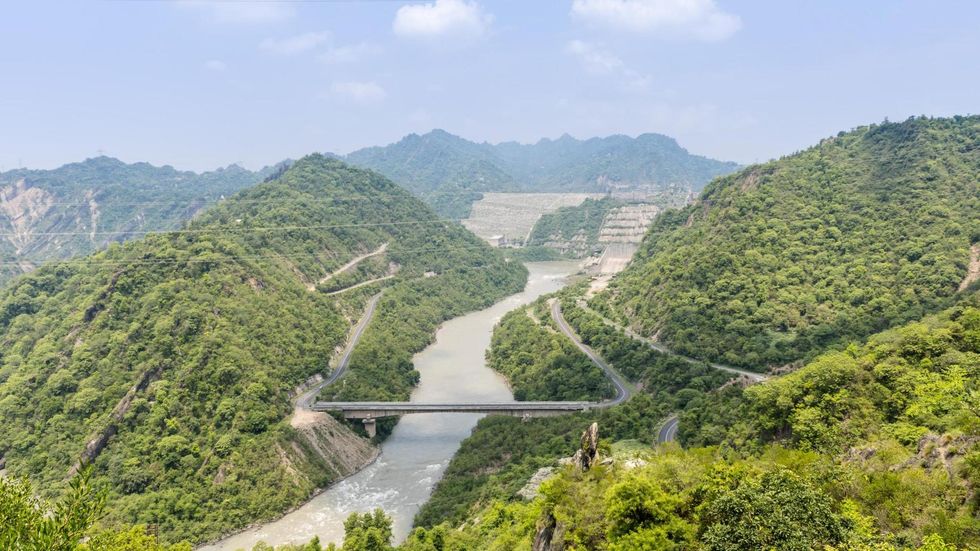
- The court ordered work stopped on part of the 850MW Ratle dam wall on the Chenab River, with restrictions lasting 90 days after a neutral expert's final decision—expected by July 2027—on whether the plant's design complies with the treaty.
- India has accelerated hydropower projects (Kiru, Kwar, Sawalkot) on the Chenab River and built its first rock check dam on the Indus at Upshi, raising water levels by about 3m and storing 40 million litres for irrigation.
- Pakistan has issued nuclear threats and raised the matter at the United Nations and the Shanghai Cooperation Organisation Summit, while Indian Home Minister Amit Shah told the Times of India: "No, it (the treaty) will never be restored."
- The treaty endured for over six decades through multiple wars because both sides—particularly the upper riparian India—preferred cooperation, but "water nationalism" has surged since the 2016 Uri attack linked water-sharing to cross-border terrorism.
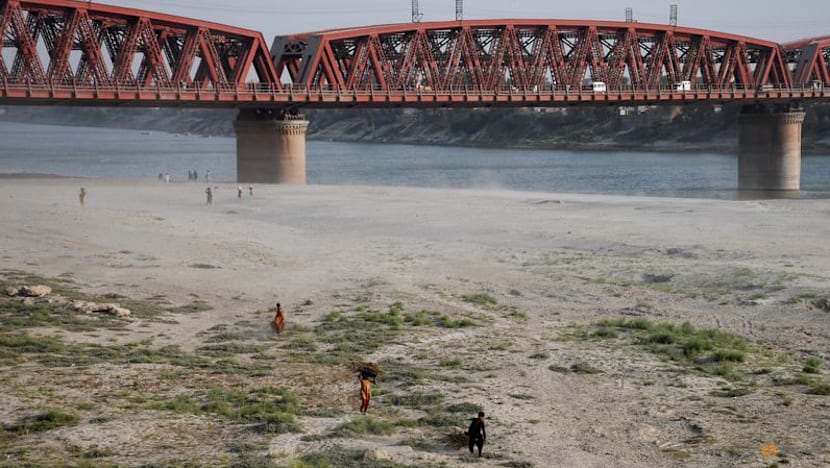
Why it matters: India is accelerating construction on the Western Rivers whose waters are allocated to Pakistan under the treaty while both sides now weaponize water as a security issue—Pakistan issuing nuclear threats, India warning of "painful consequences." With the Hague court unable to compel compliance and India rejecting its jurisdiction, the collapse of the legal framework leaves Pakistan with no binding mechanism to protect Indus basin flows that sustain its agriculture and domestic water supply.
Ask SkimNews