2028 Taiwan Election as China's Strategic Test — SkimNews

Get the Geopolitics newsletter
Daily geopolitics — wars, elections, sanctions, the diplomatic moves that move markets. Free.
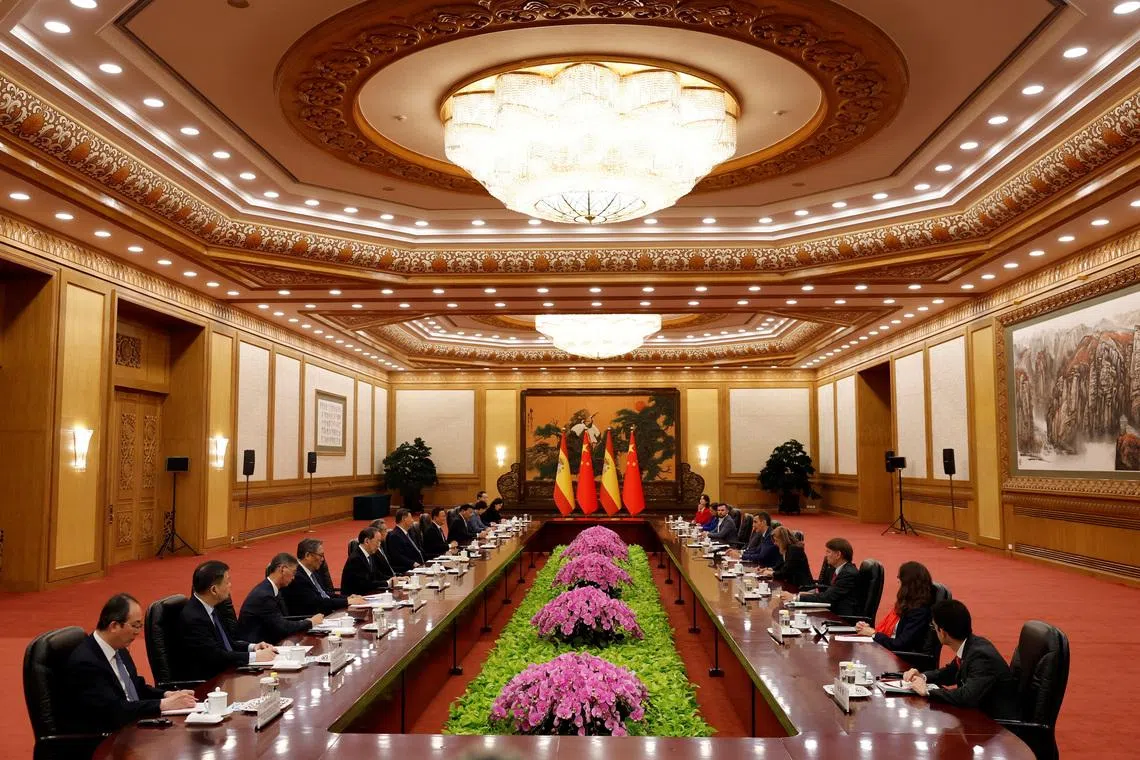
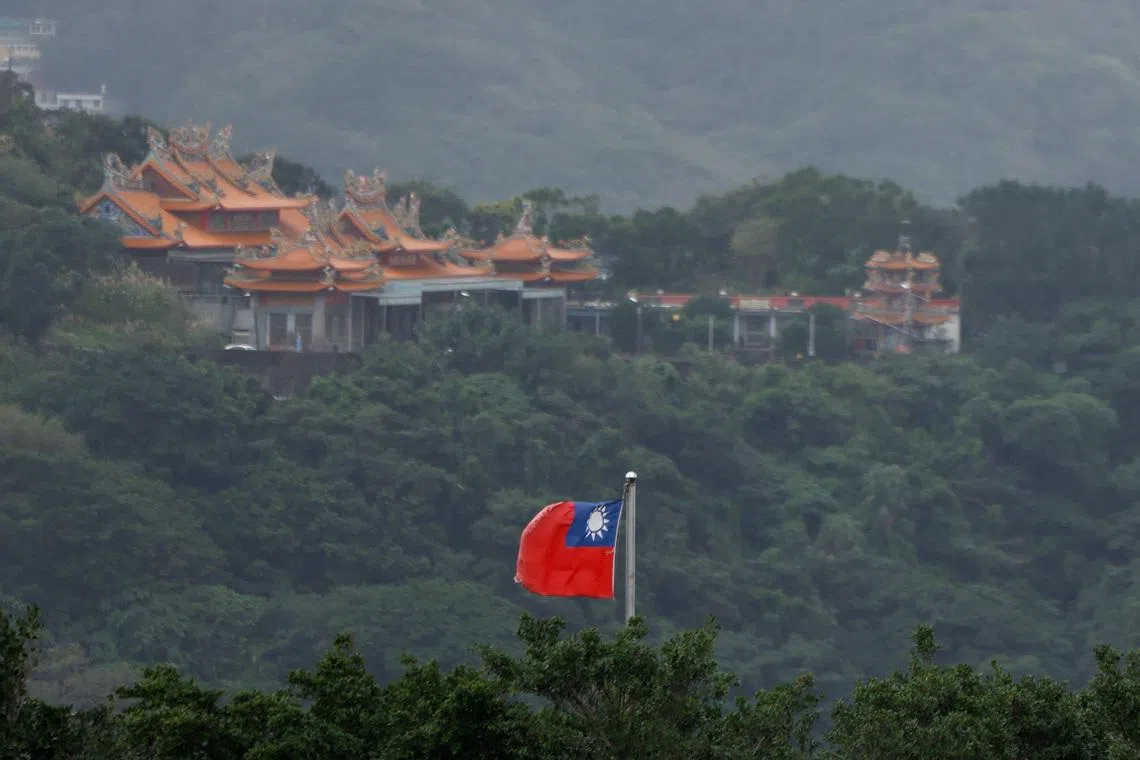
- Taiwan’s 2028 presidential election looms as a strategic inflection point, with Beijing assessing whether political change could achieve unification where coercion has failed.
- Sanae Takaichi has redefined Japan’s security stance by declaring Taiwan’s defense inseparable from Japan’s national interest, strengthening deterrence and deepening Indo-Pacific alliances.
- Jonathan Czin, former CIA and NSC China specialist, argues Beijing prioritizes Taiwan’s political trajectory over immediate military action, seeing dialogue under a KMT government as a viable path forward.
- The former U.S. naval attaché in Beijing contends Washington and Beijing may be moving toward managed coexistence, making Japan’s role—not Taiwan—the central question in any future U.S.-China understanding.
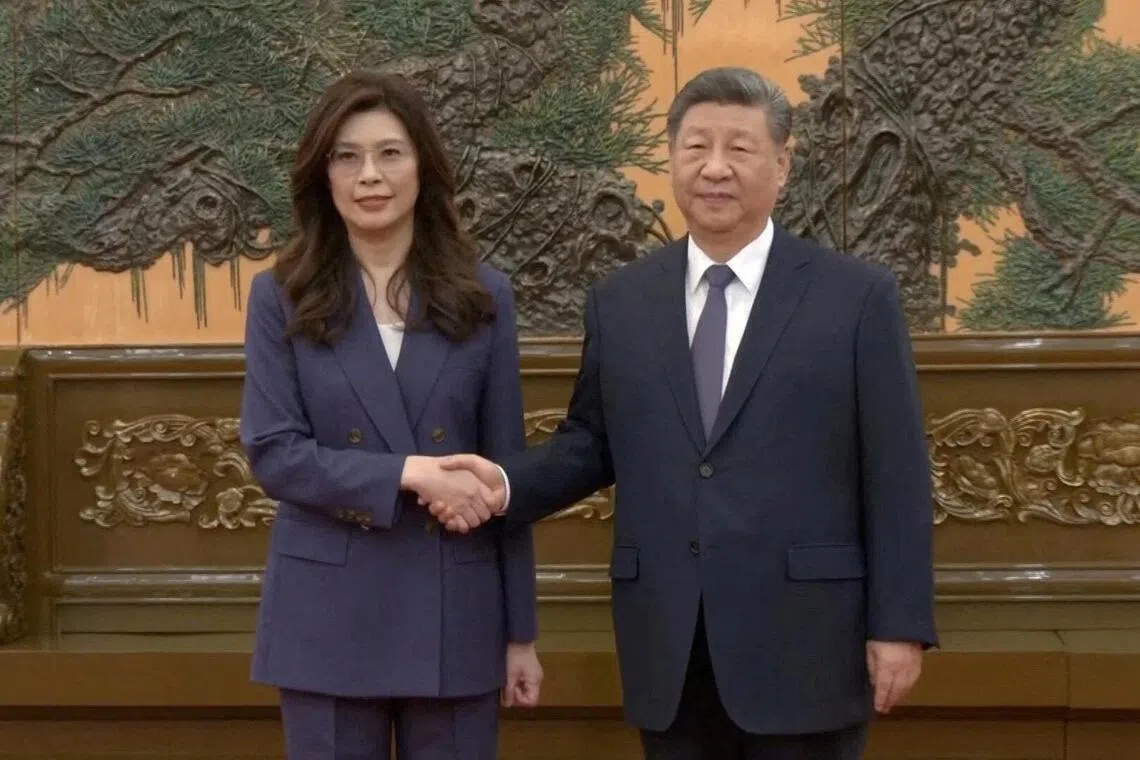
- Cheng Li-wun’s leadership of the KMT has raised Beijing’s expectations for renewed cross-Strait dialogue, though internal party divisions and limited public support for pro-Beijing policies keep outcomes uncertain.
- Admiral Samuel Paparo warned in 2025 that China’s military drills around Taiwan are rehearsals for forced unification, reflecting operational readiness within U.S. Indo-Pacific Command planning.
Why it matters: A fourth DPP victory in 2028 could end Beijing’s patience with political engagement, triggering sustained gray-zone coercion that risks broader conflict. Japan’s alignment with U.S. deterrence complicates any bilateral U.S.-China accommodation, raising stakes for regional stability without a clear exit mechanism.
Ask SkimNews