South Korea Records Highest-Ever 42.5°C — SkimNews
Get the Energy newsletter
Daily energy & climate — solar, EVs, oil, the policy fights and tech bets shaping the transition. Free.
- Korea Meteorological Administration recorded 42.5°C in Yangsan at 1:26pm local time on Sunday (Aug 2), the highest temperature since national records began over a century ago, with cities including Daegu and Busan also climbing into the high 30s
- Yangsan has been the heatwave epicenter, with temperatures exceeding 40°C for five consecutive days through Sunday, and more than 20 localities placed under emergency heatwave alerts — a new warning category introduced this year that triggers at perceived temperatures of 38°C or actual temperatures of 39°C
- KMA data show the average annual number of heatwave days in South Korea has more than doubled to 19 over the past five years, up from eight in the 1970s, defining a heatwave day as a maximum temperature of at least 33°C
- South Korea's professional baseball league cancelled a game in Changwon after the city's temperature climbed to 39.5°C, marking the second consecutive game cancellation there as the Korea Baseball Organization cited spectator and player safety
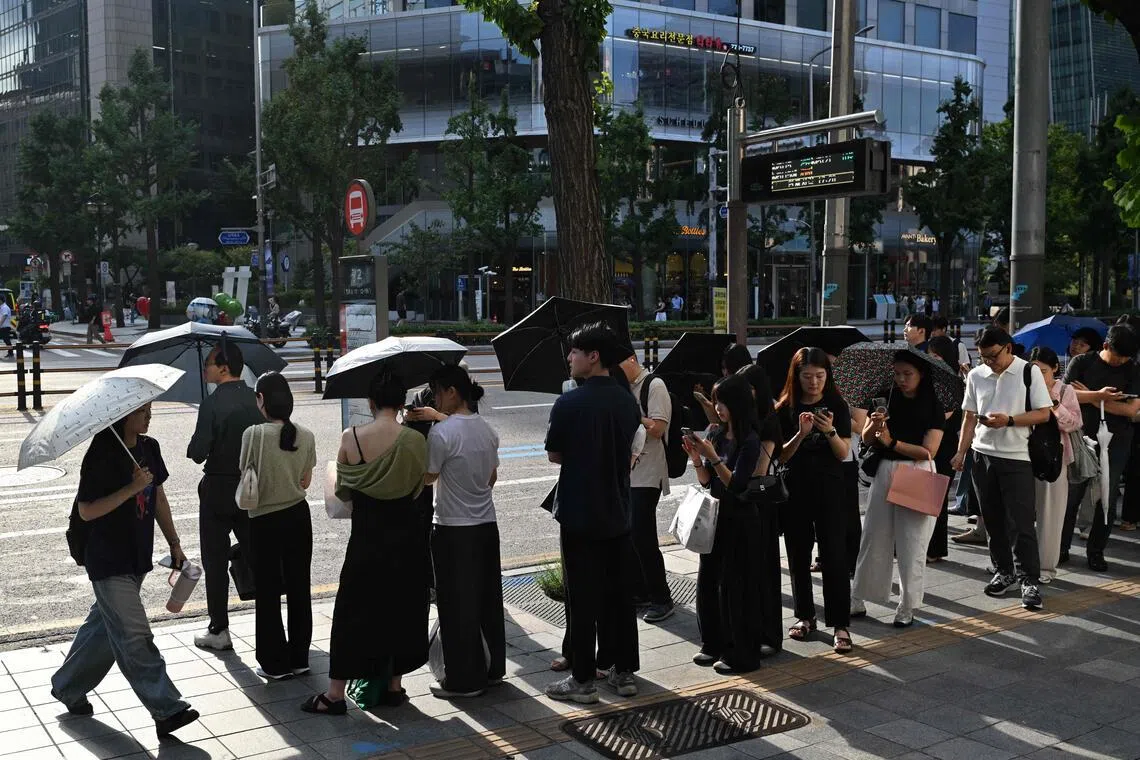
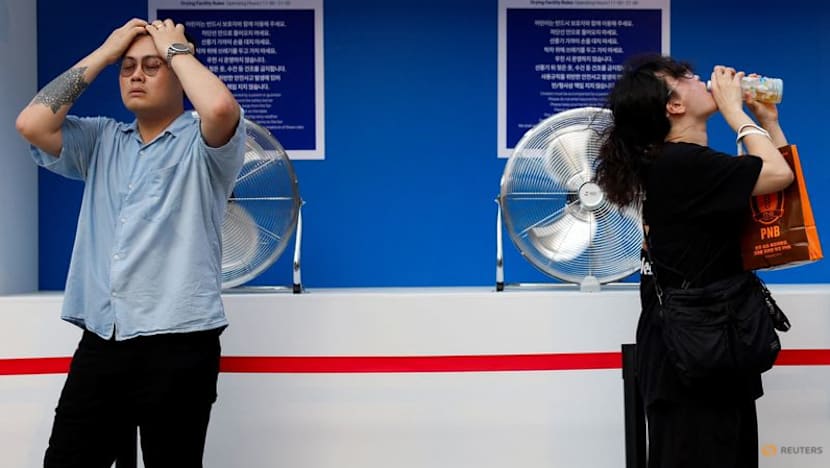
- The Korea Meteorological Administration urged people to "immediately stop all outdoor activities," warning that "indoor spaces without air conditioning are dangerous," as residents including Seoul office worker Ju Dong-yeol, 27, took refuge in air-conditioned cafes and shopping malls
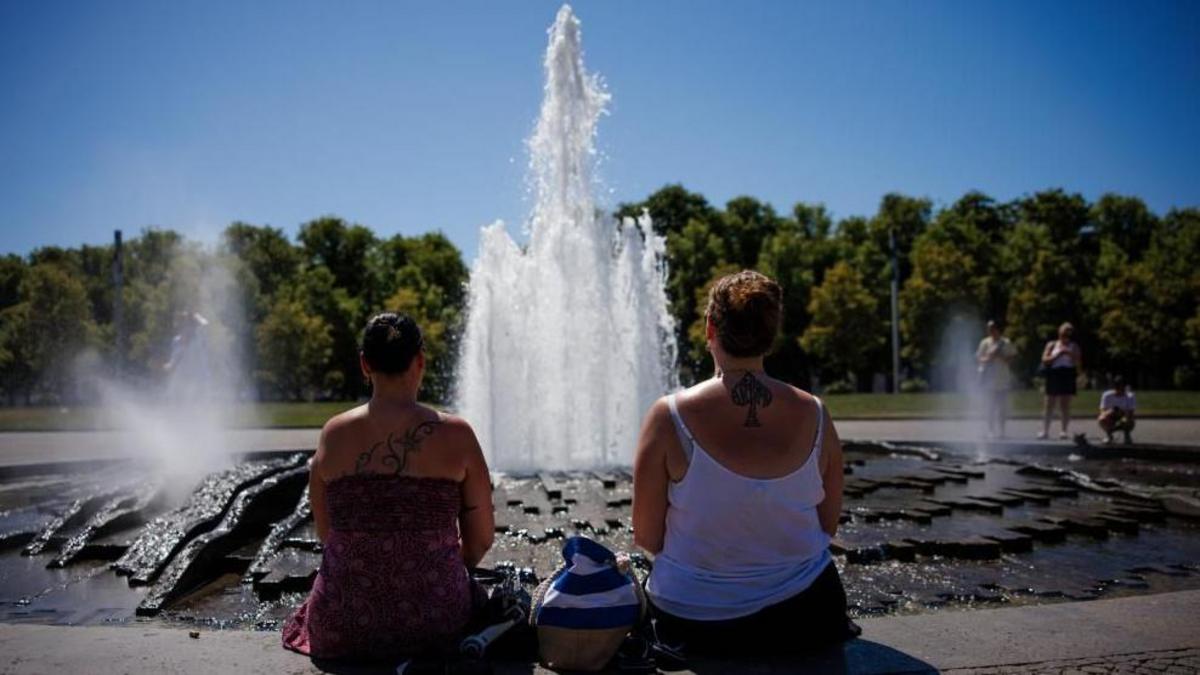
- The article frames the South Korean heatwave within a broader pattern, noting Europe also saw prolonged heatwaves pushing temperatures above 40°C, with Italian authorities preparing to place nearly all major cities under the highest heat alert from Monday, and citing scientists who link the extreme weather to human-induced climate change and the return of El Niño
Why it matters: The new 42.5°C record — combined with KMA's data showing average annual heatwave days have more than doubled in five years and the introduction of an emergency alert category this year — signals that South Korea's infrastructure, from professional sports to daily commerce, is being disrupted by heat that exceeds historical baselines. Concrete impact is already visible: outdoor events like professional baseball games are being cancelled, and residents are retreating indoors to air-conditioned spaces.
Ask SkimNews