Iran War Removes Record 16% of Global Oil Supply — SkimNews

Get the Finance newsletter
Daily finance — markets, central banks, M&A, the prints that move money. Free.
- The Iran war has removed 16% of global oil supply — the largest disruption ever recorded, double the 8% removed by the 1990 Iraq invasion of Kuwait and the 1973 oil embargo.
- Oil prices are roughly 50% higher than before the war began, with physical market prices hitting record highs as countries and companies compete for increasingly scarce barrels.
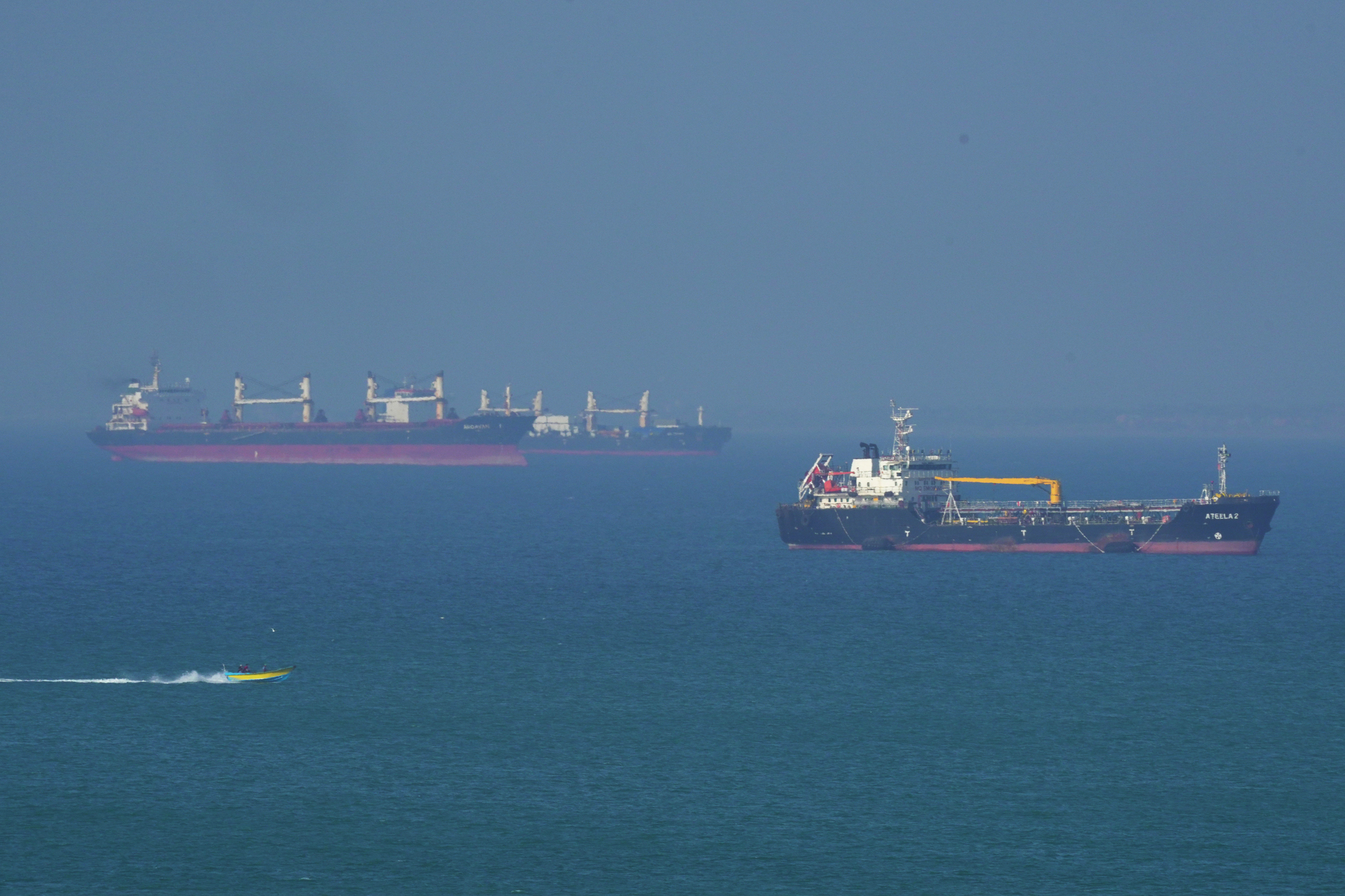
- Iran has the Strait of Hormuz effectively locked down, which Axios says creates a "huge rupture in a critical connection for global oil."
- Dan Yergin, vice chairman of S&P Global and author of "The Prize," called the crisis "the mother of all supply chain disruptions."
- Past energy shocks drove permanent structural changes: the pandemic spurred reshoring, the Ukraine war pushed Europe off Russian gas, and the 1970s oil crisis got Americans driving small cars.
- Former national security advisers Jason Bordoff (Obama NSC) and Meghan O'Sullivan (Bush) wrote in Foreign Affairs that the world may draw the opposite lesson from 1973 — fragmentation instead of international cooperation.
Why it matters: Iran has demonstrated it can weaponize the Strait of Hormuz, potentially replacing a cooperative global oil market with a fragmented, politically leveraged one. Sustained higher energy costs would feed inflation and could erode the dollar's centrality in global energy trade, weakening U.S. economic leverage — a parallel critics are already drawing to the Suez crisis, which ended British superpower status.
Ask SkimNews