America’s permitting crisis lives at City Hall — SkimNews
Get the Energy newsletter
Daily energy & climate — solar, EVs, oil, the policy fights and tech bets shaping the transition. Free.
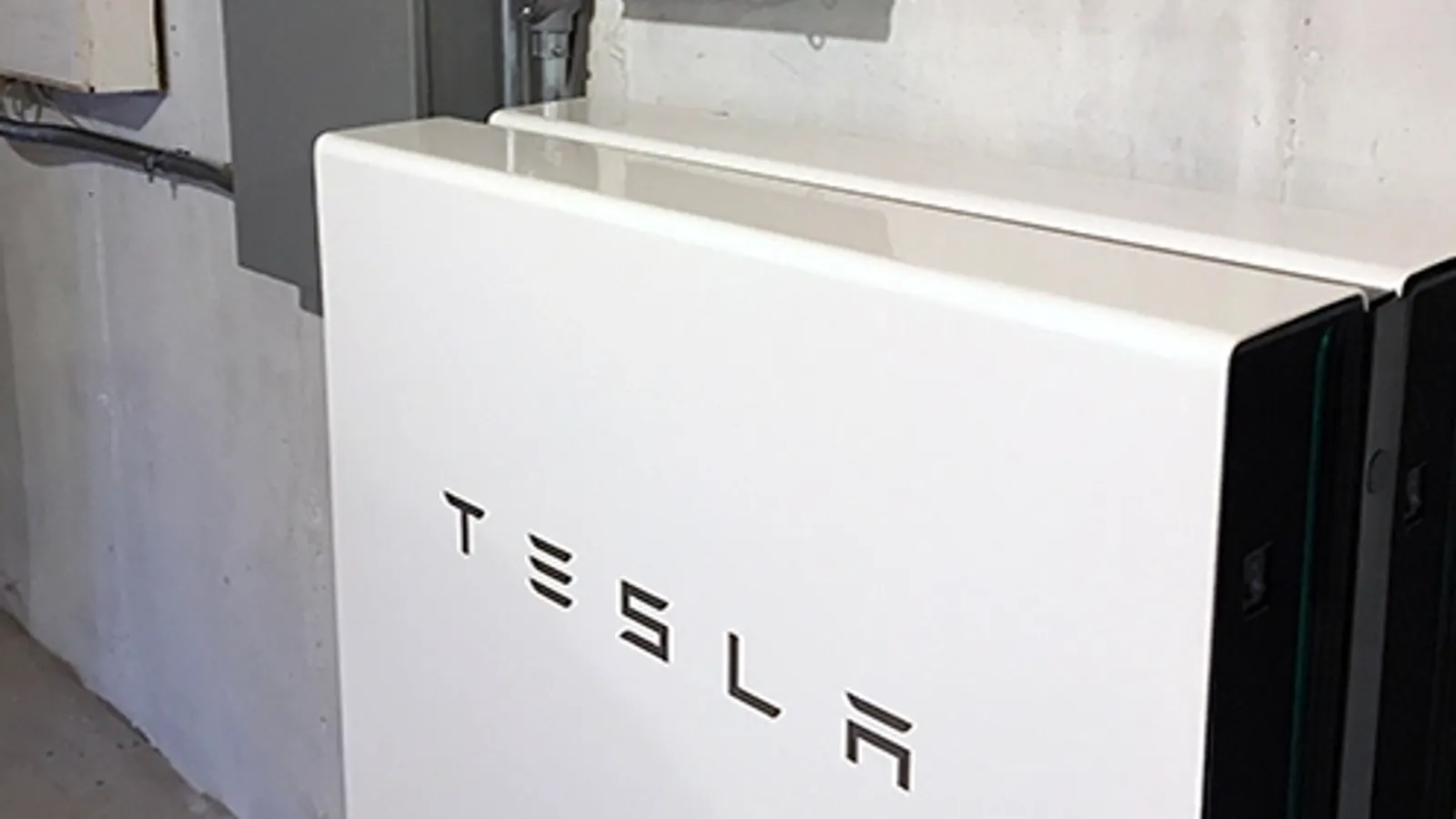
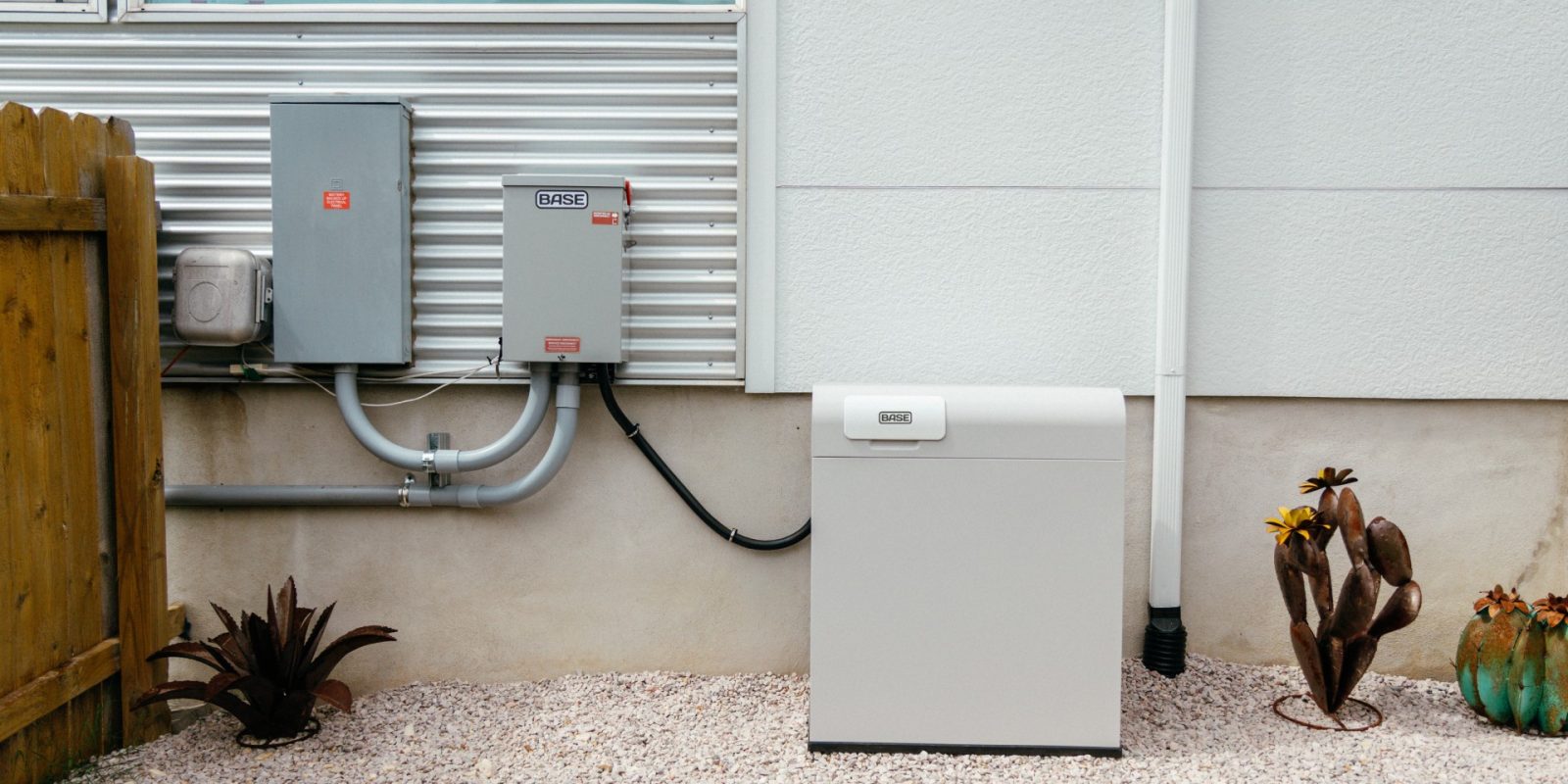
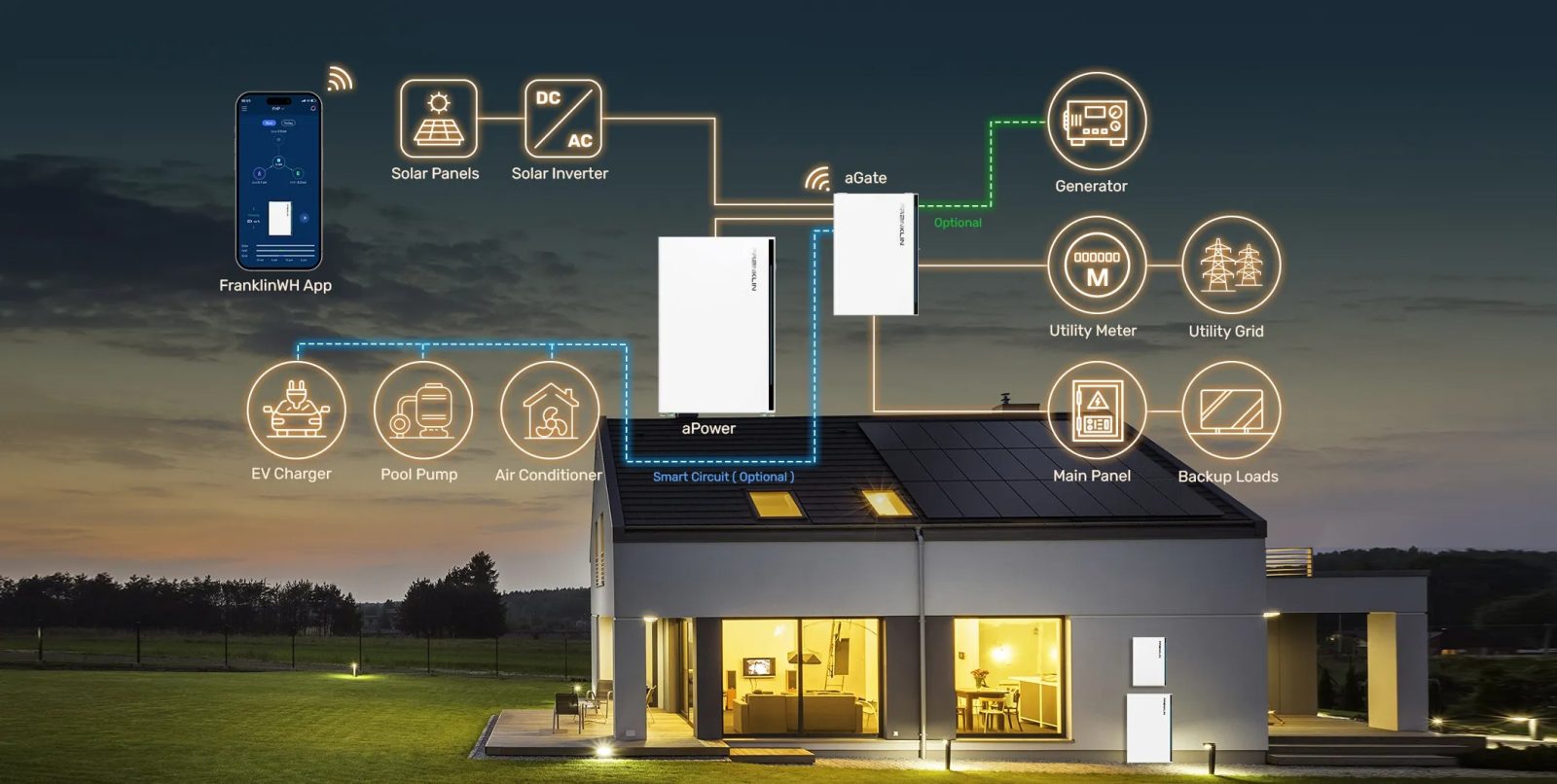
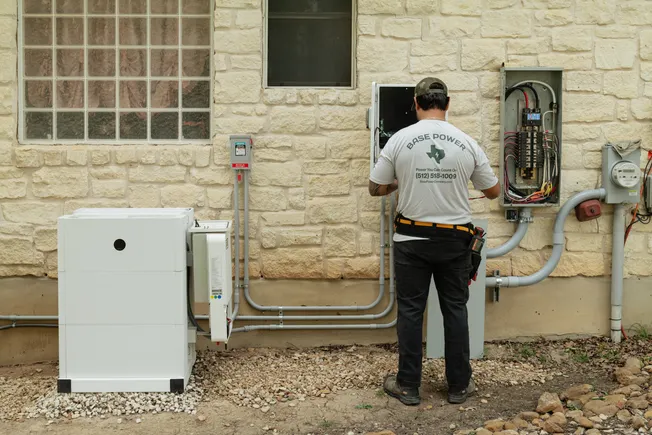
- Base Power installed identical home backup batteries for two homeowners eight miles apart; one city approved the permit online in an afternoon for $45, while the other took 12 weeks, three city hall visits, two half-day inspections, and $992.
- There are roughly 23,000 municipal building departments in the U.S., each with its own rules — and the author argues these local offices, not federal processes like NEPA, are where energy installations actually get stuck.
- "Soft costs" — bureaucratic overhead not including the panel, inverter, or wiring — now account for 78% of what homeowners pay for rooftop solar, per Base Power's analysis of the market.
- Australia accredits installers rather than reviewing each project, resulting in roughly 33% of homes having rooftop solar versus 7% in the U.S., with a comparable 10kW system costing about $5,700 versus $19,000–$27,000 here; fire rates per installation are comparable.
- National utility bill debt has climbed to $25 billion from $15 billion three years ago, and the cities with the longest permit timelines are disproportionately dense urban areas with the highest bills and the most households behind on payment.
- More than a year after the Palisades Fire, Los Angeles has issued only a handful of rebuild permits — evidence, the author argues, that the dysfunction is bipartisan and persists regardless of which administration is in power.
- The author points to ready-made fixes: DOE's SolarAPP+ auto-approves code-compliant residential solar in seconds; Florida HB 683 imposed a statutory clock on single-trade residential permits; and Texas SB 1252 standardized battery permits across jurisdictions.
Why it matters: The families with the highest electricity bills and the most overdue payments live in exactly the cities where municipal permitting takes longest — locking them out of the home batteries and rooftop solar those same cities championed. With national utility debt at $25 billion and U.S. electricity demand climbing after two decades of flat growth, permitting friction now lands hardest on the households who can least afford it.
Ask SkimNews