UBC study finds bottom trawling catches 3,000+ fish species — SkimNews

Get the Health newsletter
Daily health & science — research, biotech, public health, the studies worth knowing. Free.
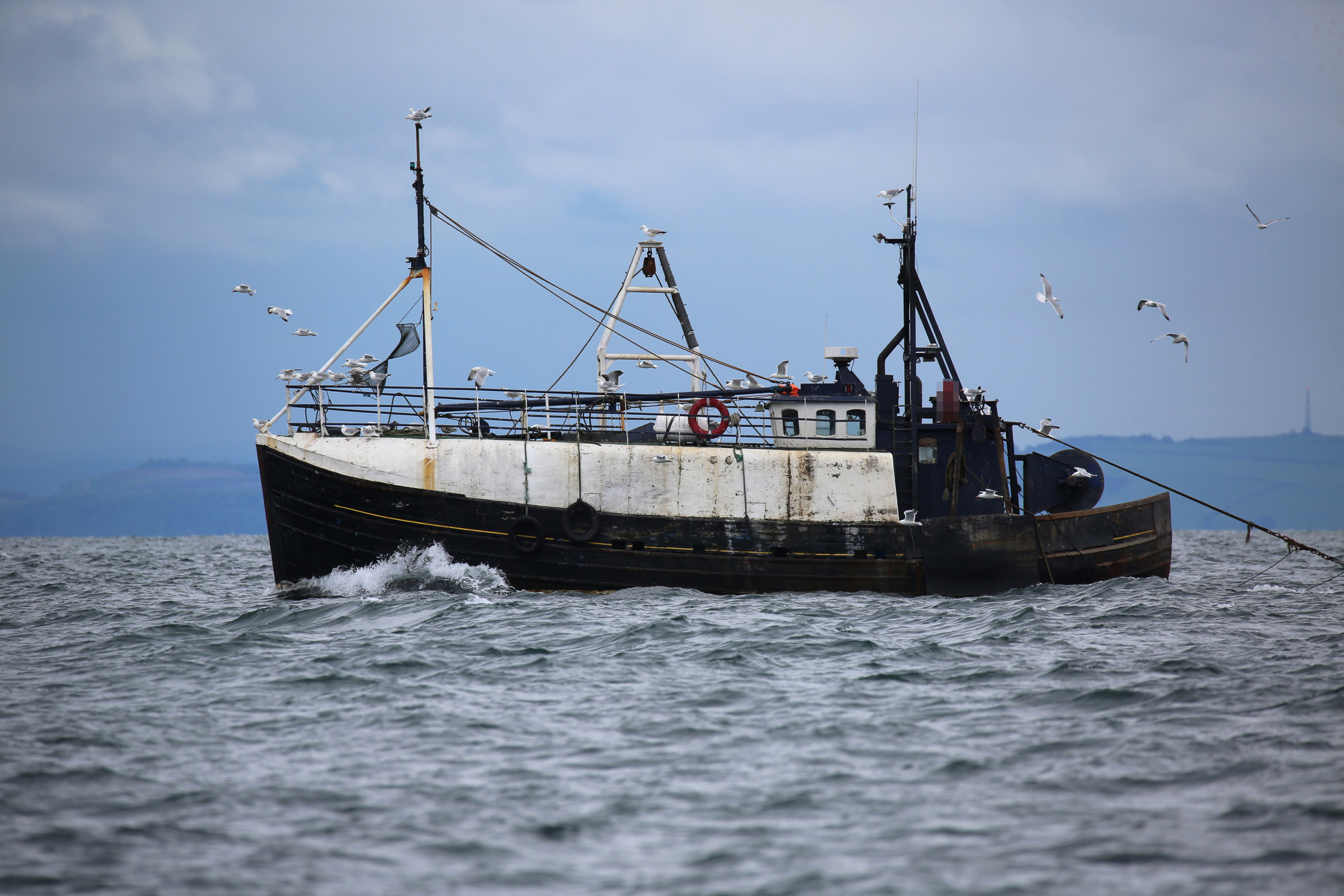
- University of British Columbia researchers compiled a global inventory of bottom trawl catches using >9,000 records from 1895‑2021, revealing >3,000 fish species caught, with the true number possibly near 6,000.
- Dr. Sarah Foster said the study provides the clearest picture yet of bottom trawling’s breadth, showing that one in seven species with an IUCN status are threatened or near‑threatened.
- International Union for Conservation of Nature data shows one in four recorded species are data‑deficient or unevaluated, meaning much of bottom trawling operates in an information vacuum.
- Project Seahorse co‑author Syd Ascione noted that many catches are recorded under vague categories like “trash fish,” and about 95% of species caught are not targeted, yet 64% are retained.
- Dr. Amanda Vincent warned that nearly 99% of bottom trawling occurs in national waters, urging governments to adopt precautionary measures and exclude trawling from marine protected areas.
Why it matters: Marine conservation groups gain a concrete baseline to argue for stricter regulations, while fisheries and governments face pressure to curb a practice that now appears to threaten thousands of species, many of which are data‑deficient and previously invisible to policy.
Ask SkimNews