Europe's Bottom Trawlers Cost Society $18.5B a Year — SkimNews
Get the Energy newsletter
Daily energy & climate — solar, EVs, oil, the policy fights and tech bets shaping the transition. Free.
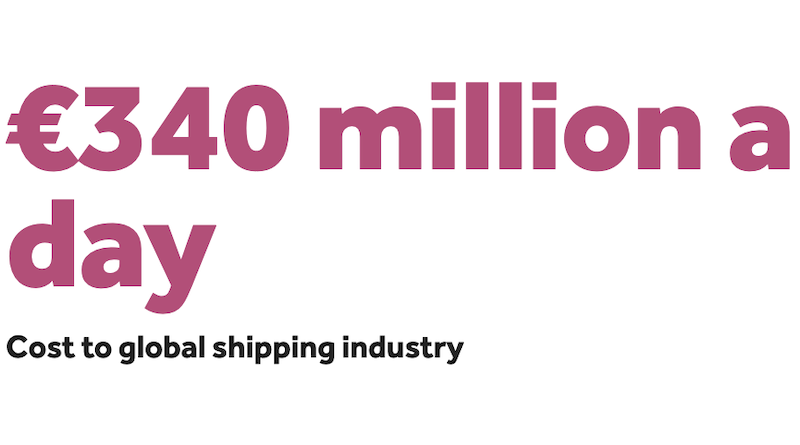
- National Geographic Pristine Seas researchers, led by Professor Enric Sala, published a report in Ocean & Coastal Management concluding bottom trawling in European waters costs up to $18.5 billion annually through seafloor disturbance and CO2 emissions, calling it 'not just an environmental disaster, it's an economic failure.'
- Europe's bottom trawling industry generates over $200 million in net profits while imposing social costs roughly 90 times higher on taxpayers, according to the first economic assessment of its kind.
- Europe's trawling fleet logs more than 5.5 million hours of fishing per year, with nearly a quarter of that activity happening inside Marine Protected Areas, and British MPAs alone have lost more than 1.3 million tons of fish to trawlers since 2020, per Greenpeace.
- Bottom trawling gear releases nearly 370 million metric tons of CO2 globally each year, with almost a third coming from European-flagged vessels, and up to 75% of marine life caught in the nets die as discarded bycatch.
- A University of British Columbia study led by Sarah Foster found 95% of species caught by trawlers worldwide were not the intended target, and roughly one in seven were classified as 'threatened' or 'near threatened' on the IUCN Red List.
- Bally Philp, chair of the Scottish Creel Fishermen's Federation and a former trawlerman fired for trying to release bycatch alive, argues the practice has 'gross design flaws' that can't be fixed by improving net selectivity.
Why it matters: The 90-to-1 gap between industry profits ($200M) and social costs ($18.5B) flips the usual framing: European taxpayers, not the fleet, are effectively subsidizing seabed destruction. With nearly a quarter of trawling hours already happening inside nominally protected waters, the report arms EU regulators and conservation groups with hard numbers to push for restrictions inside Marine Protected Areas — areas currently undermining the bloc's own blue economy targets.
Ask SkimNews