Fishers detonate a bomb every hour on one Indonesian coral reef — SkimNews

Get the Energy newsletter
Daily energy & climate — solar, EVs, oil, the policy fights and tech bets shaping the transition. Free.
- Ben Williams at University College London and colleagues deployed an acoustic monitoring system at Indonesia's Spermonde Archipelago for 483 days (May 2023–September 2024), recording 3,567 underwater explosions across 3,650 hours of audio — just over 23 blasts per day within a 17-kilometre radius.
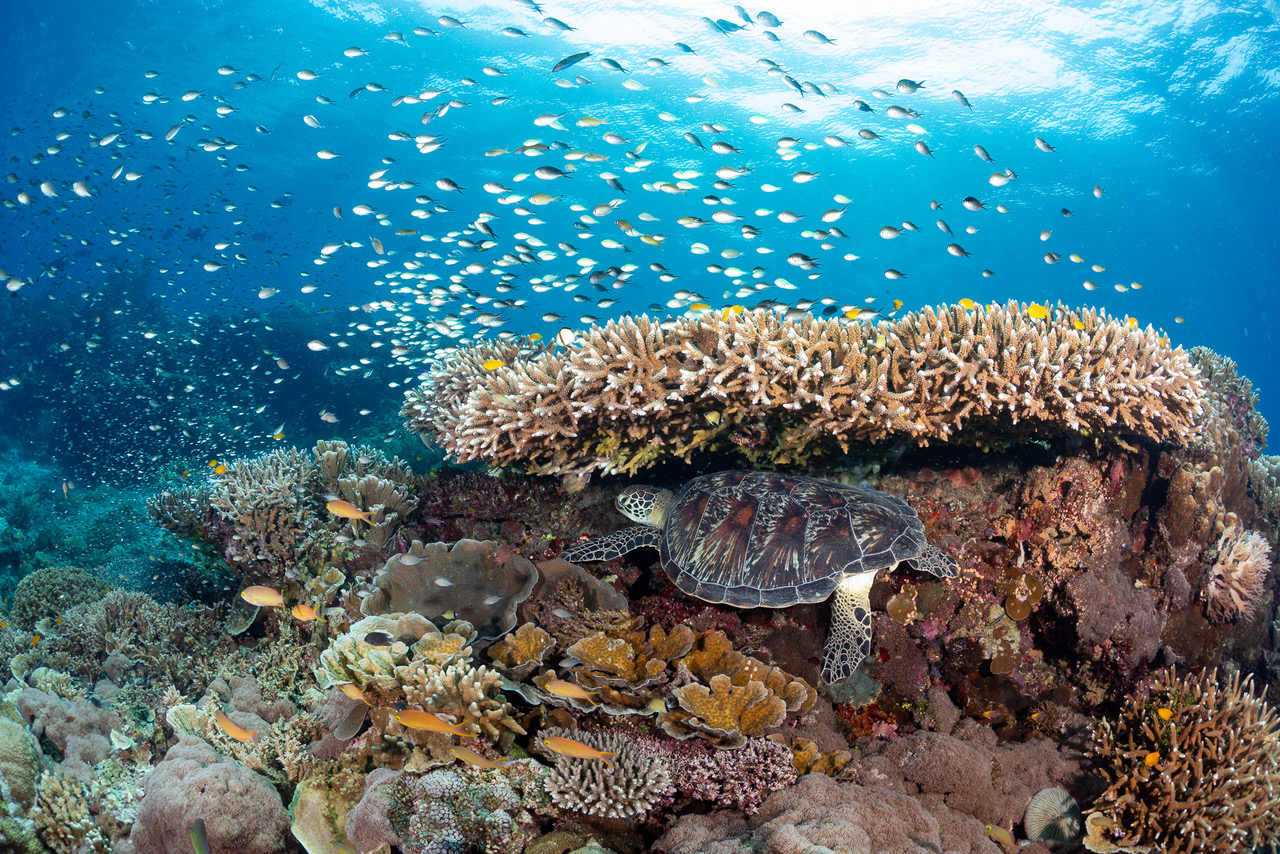
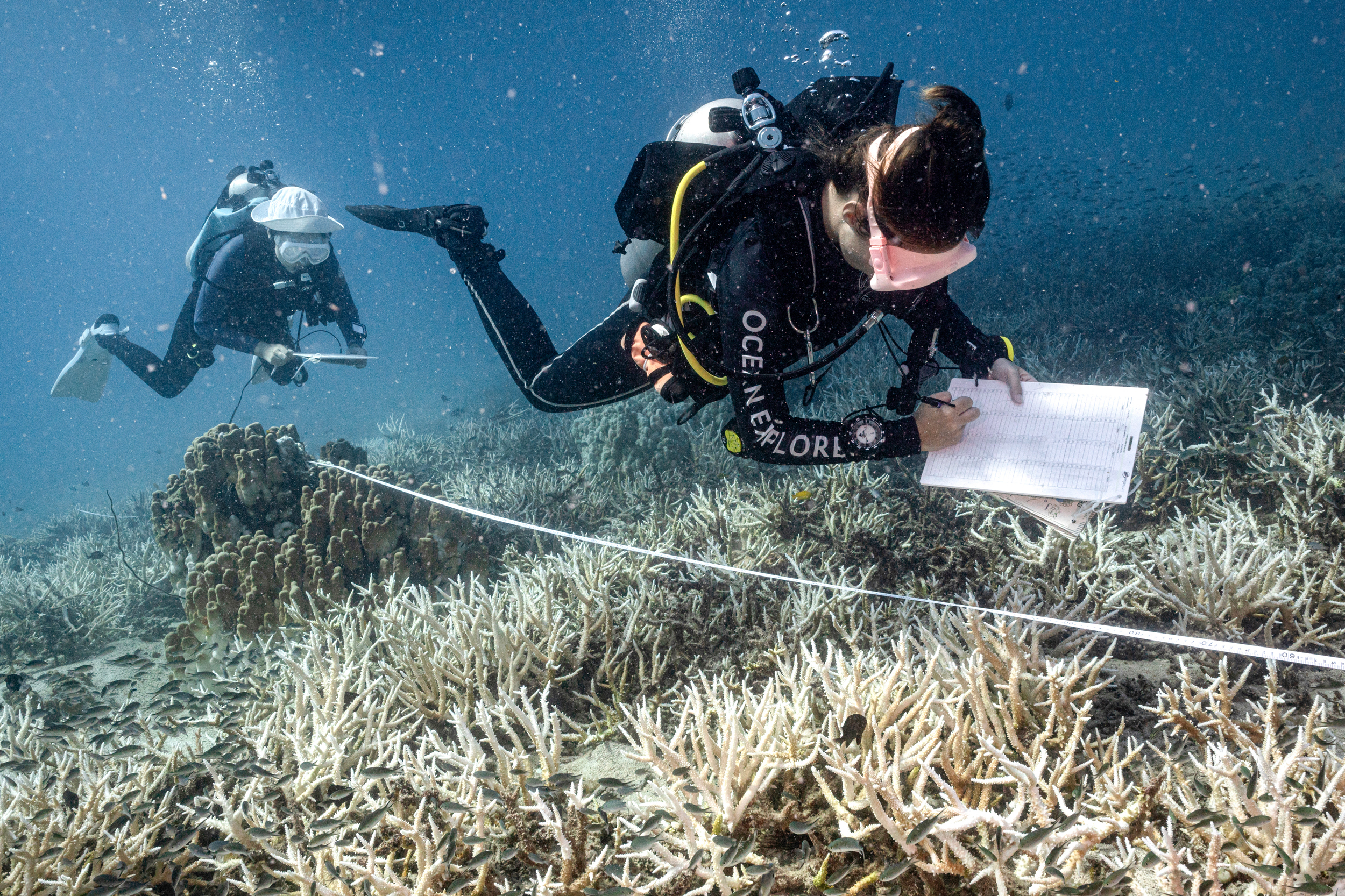
- Spermonde Archipelago, a global coral reef biodiversity hotspot off south-west Sulawesi, is being hammered by blast fishing — Williams says the underwater explosions are so loud they "can shake you out of your skin," yet the responsible boats are typically invisible from the surface because sound travels far faster through water than air.
- Williams blames the persistence of bomb fishing on an illegal supply chain of fertilisers, fuses, detonators, stolen mining explosives, or military ordnance, and says current sea enforcement amounts to "Whac-A-Mole" targeting.
- Rinaldi Gotama, currently studying at the University of Queensland and working with Indonesian NGOs on blast-fishing reefs, said the acoustic method could be replicated elsewhere to detect hotspots, direct enforcement, and evaluate whether management interventions actually reduce the practice.
- Bomb fishing has been documented in 34 countries from South America to the Mediterranean, East Africa, and South-East Asia, and the findings were published in Remote Sensing in Ecology and Conservation (DOI: 10.1002/rse2.70093) as the first quantification of the practice's true extent in a known hotspot.
Why it matters: The acoustic method gives enforcers a tool to pinpoint blast-fishing hotspots and measure whether interventions work across 34 affected countries. Williams argues sea patrols alone amount to "Whac-A-Mole" — the 3,567 blasts logged over 483 days show the illegal supply chain of fertilisers, fuses, and stolen explosives must be cut at its source if the Spermonde reefs are to survive.
Ask SkimNews