GLP-1 weight loss and diabetes drugs linked to nutritional deficiencies in nearly 1 in 6 children — SkimNews

Get the Health newsletter
Daily health & science — research, biotech, public health, the studies worth knowing. Free.
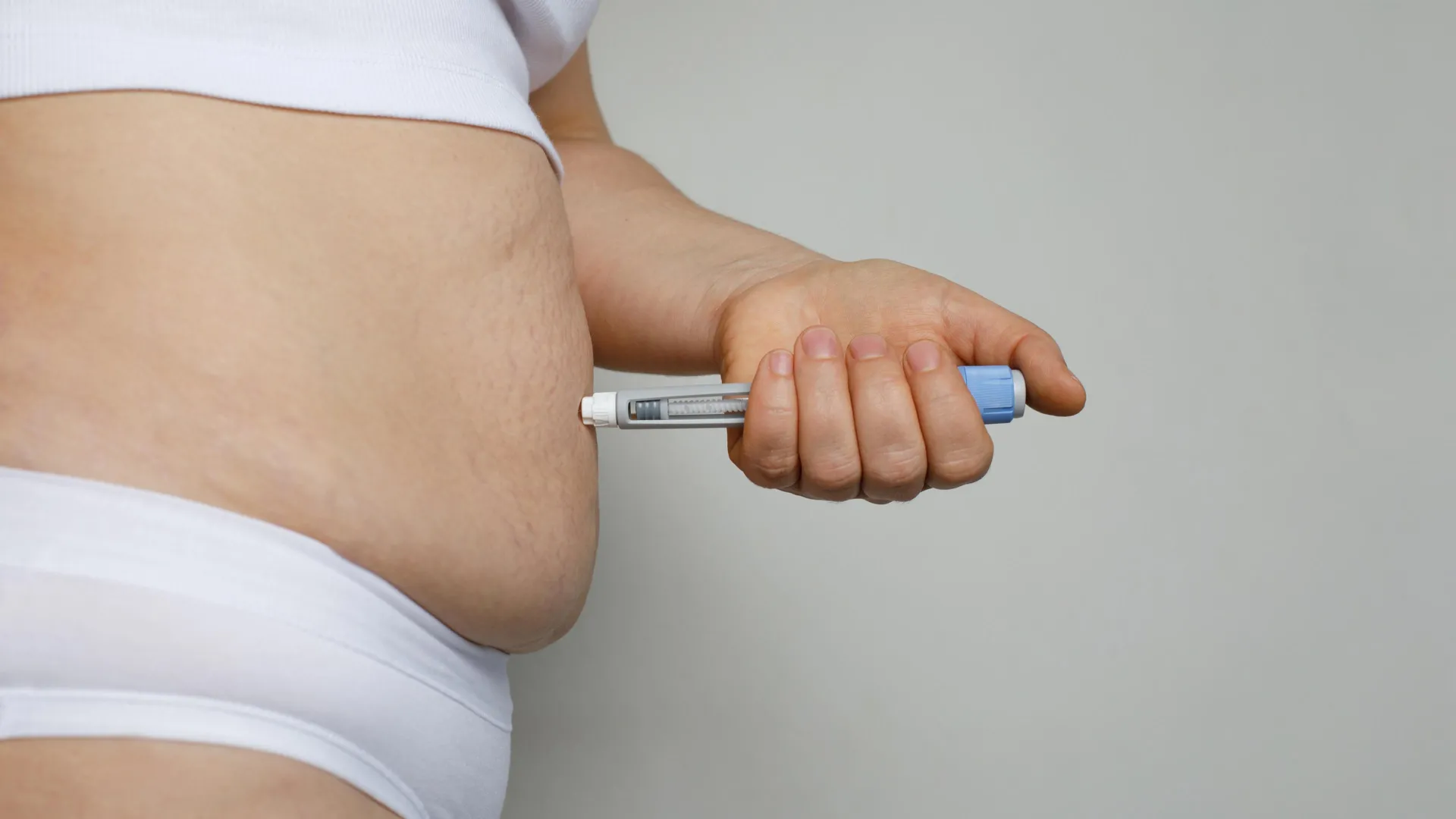
- Childhood Obesity study of 2,031 pediatric GLP-1 users ages 10-17 found 16.8% were diagnosed with a nutritional deficiency within one year of starting treatment, with vitamin D deficiency the most common at 12.4%.
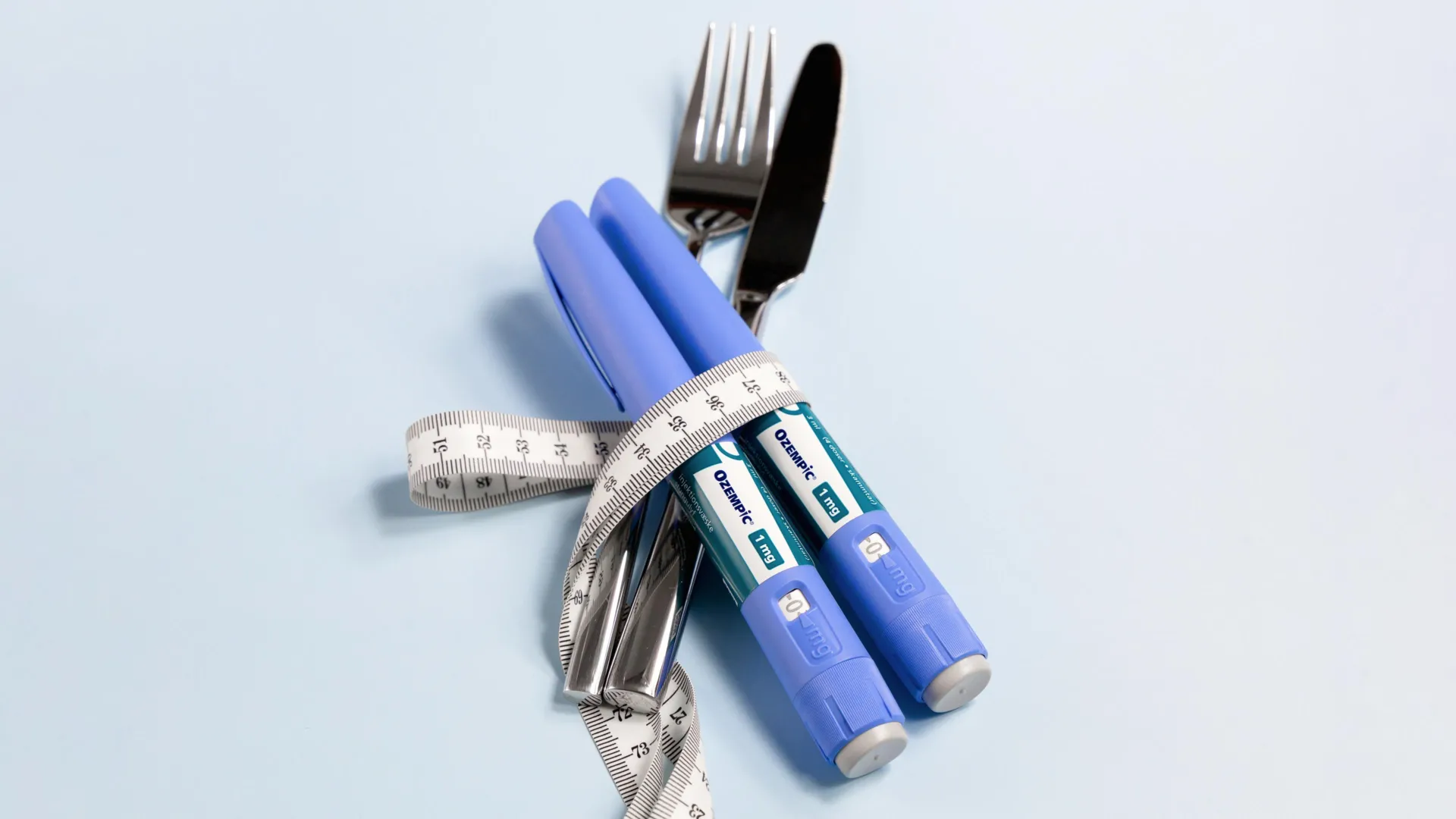
- Liraglutide (Victoza and Saxenda) accounted for 78.6% of prescriptions in the study, followed by dulaglutide (Trulicity) at 10.4% and semaglutide (Ozempic and Wegovy) at 9.1%.
- Justin Ryder, PhD, Vice Chair of Research at Lurie Children's Hospital, said only 5% of patients received nutritional counseling within 30 days of starting GLP-1 treatment and fewer than 25% within six months.
- Ryder and colleagues called for proactive nutritional management to begin alongside GLP-1 prescription rather than waiting until a deficiency is diagnosed, citing risks to skeletal health during adolescence.
- Researchers analyzed national administrative claims data covering more than 100 million patients from 2017 through 2022, identifying 2,031 children with continuous enrollment and no prior nutritional deficiency diagnosis.
Why it matters: With pediatric GLP-1 use expanding rapidly, the study exposes a clinical practice gap: fewer than 1 in 20 children starting these appetite-suppressing drugs get nutritional counseling within a month, even though nearly 1 in 6 develop a diagnosed deficiency during a critical growth window. Pediatricians and insurers covering adolescent obesity treatment now face a concrete evidence base suggesting counseling should be bundled with prescriptions, not deferred until harm appears.
Ask SkimNews