23K July jobs lost; Bessent's yen note triggers intervention — SkimNews

Get the Finance newsletter
Daily finance — markets, central banks, M&A, the prints that move money. Free.
- July payrolls shed 23,000 jobs vs. +80,000 expected; May–June revised down by 103,000 combined, compounding last year's pattern of sharp prior-month downgrades.link ›
- Unemployment rate dropped to 4.1% only because 264,000 workers exited the labor force, pushing participation to 61.4% — a near 5.5-year low.link ›
- September Fed hike odds fell from 57% to 43.9% on LSEG, with three FOMC members already dissenting for tightening at the prior meeting.link ›
- Treasury Secretary Scott Bessent's photographed to-do list read 'Buy Japanese yen $5-10 bill'; he delivered, with the New York Fed executing the intervention that lifted yen from ¥164 to ¥156.70.link ›
- The U.S. Treasury funded the intervention by selling euros rather than drawing down its $1.1 trillion in U.S. Treasury holdings — a departure from standard coordinated intervention mechanics.link ›
- Amazon crossed $3 trillion market cap on Q2 cloud earnings, joining Apple, Microsoft, and Nvidia in the elite club.link ›
- SpaceX posted a 92% revenue jump in its first earnings as a public company, but shares fell as investors fixated on AI capex costs.link ›
- Eli Lilly held 60.9% of the U.S. obesity/diabetes market vs. Novo Nordisk's 38.8%, after Novo's CagriSema and ziltivekimab trials both flopped in Q2.link ›
America's labor market broke the wrong way in July: 23,000 jobs lost against an 80,000 gain expected, with May and June sliced down a combined 103,000. September Fed hike odds cratered from 57% to 43.9% as equity futures ripped, gold jumped 3%, and silver surged 6%. The headline 4.1% unemployment rate is a lie of omission — 264,000 workers fled the labor force, dragging participation to a 5.5-year low of 61.4%. RSM's Joe Brusuelas flagged a World Cup seasonal quirk the Fed should 'mostly ignore,' but markets didn't wait. Treasury Secretary Scott Bessent's photographed to-do list reading 'Buy Japanese yen $5-10 bill' was the real tell — the New York Fed executed a $50B-plus intervention snapping USD-JPY from a 40-year low near 164 to 156.70, funded by selling euros rather than touching America's $1.1 trillion Treasury stash.
The stories behind this week
U.S. Sold Euros, Not Dollars, to Prop Up YenThe intervention bought the yen a 5% bounce from a four-decade low, but the U.S. selling euros instead of dollars suggests reluctance to part with Treasury assets — a signal that, per Brookings' Robin Brooks, undermines credibility rather than reinforcing it. With the Fed's September rate path unresolved and the BoJ moving only gradually, analysts at UBS, HSBC, and ING see no structural floor under the yen.
US stocks jump as employers unexpectedly cut 23,000 jobs, raising hopes that rate hikes can wait - AP NewsThe unexpected 23,000-job loss gives the Federal Reserve fresh justification to pause further rate increases, a shift the market is already pricing in based on the immediate equity rally following the report.
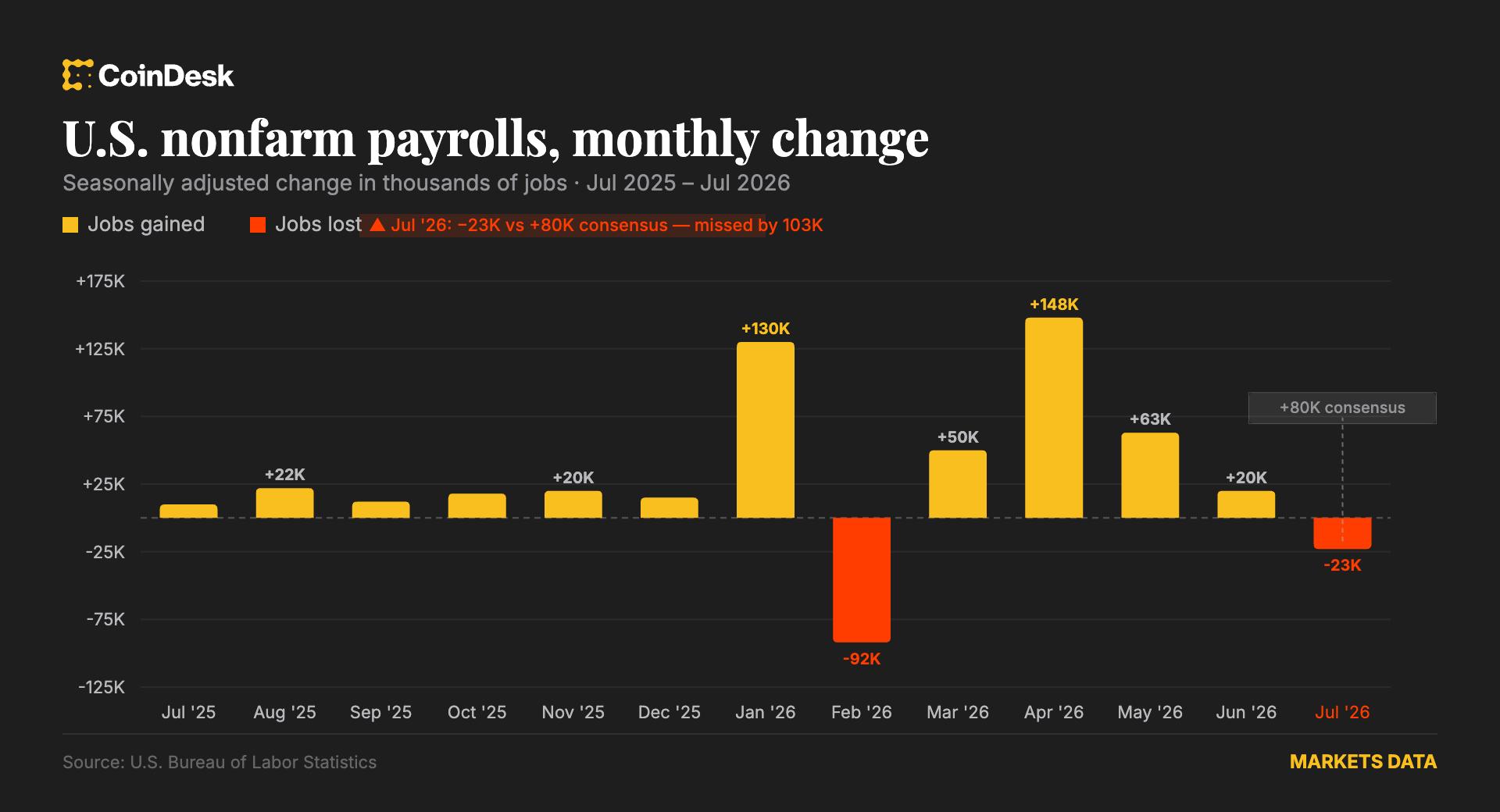
U.S. Lost 23,000 Jobs in July, Fed Hike Odds DropTwo straight months of negative surprises give Fed doves fresh ammunition to argue for holding rates, dropping September hike probability below the 50% line — but the downgraded wage growth (3.2% YoY vs. 3.5% expected) and Brusuelas's World Cup-seasonality caveat mean traders shouldn't fully price in a dovish pivot ahead of next week's July CPI print.

Amazon Hits $3 Trillion Market Cap on Cloud EarningsAmazon joins Apple, Microsoft, and Nvidia in the $3 trillion club — a milestone now defined by cloud and AI infrastructure revenue rather than retail. Crossing the threshold on cloud earnings specifically signals that AWS momentum, not e-commerce, is what institutional investors are pricing in.

US Shed 23,000 Jobs in July; May-June Cut 103KMarkets had priced a 57% chance of a September Fed rate hike before the report; after the data, that fell to 43.9%, materially shifting the policy calculus even as three FOMC members already dissented in favor of tightening. The headline-grabbing drop in unemployment to 4.1% is misleading — it reflects a 264,000-worker exodus from the labor force, not improved job prospects.

SpaceX stock drops after first earnings report as AI costs soar: Live updates - CNBCSpaceX's first quarter as a public company reveals the new valuation lens: a 92% revenue jump signals core momentum, but the stock drop on AI capex shows the market is repricing SpaceX as an AI infrastructure bet, not just a launch provider. Beating earnings matters less when the spending trajectory is the headline.
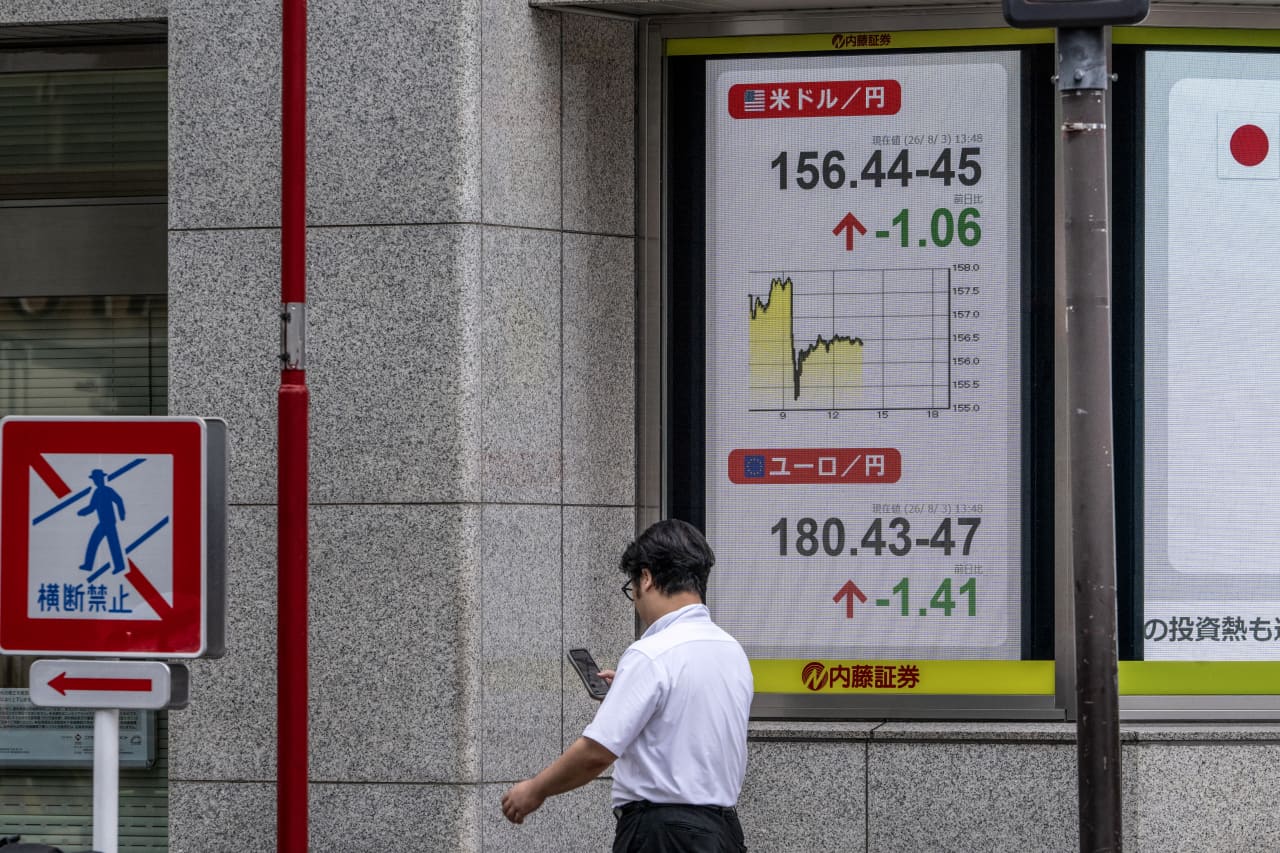
U.S.-Japan Yen Intervention: 5% Rally, Rate Gap Still WideThe intervention bought time, not a fix. With Japan's policy rate 250+ basis points below the Fed's and 30-year Treasury yields at near two-decade highs, currency strategists say the September 18 BOJ meeting is now the real catalyst. The dollar index slipping below 100 signals traders are positioning for the rate gap to narrow — making Friday's BOJ hold look like a missed opportunity.

Lilly Widens Obesity Lead as Novo Pipeline StumblesThe U.S. obesity and diabetes drug market is now effectively a 60.9%-to-38.8% split favoring Lilly, and Novo's two separate pipeline trial failures — CagriSema and ziltivekimab — alongside a Wegovy pill that underwhelmed Wall Street leave the Danish drugmaker needing a convincing diversification story to keep pace. Novo's updated outlook implies a possible full-year sales decline, a stark contrast to Lilly's ballooning revenue trajectory.
Why it matters: A 13-point swing in September hike odds on a single payroll print means the Fed's forward guidance has effectively been replaced by the data calendar — every CPI, PPI, and claims release now moves policy in real time.
Ask SkimNews