Is coal really making a comeback? — SkimNews
Get the Energy newsletter
Daily energy & climate — solar, EVs, oil, the policy fights and tech bets shaping the transition. Free.
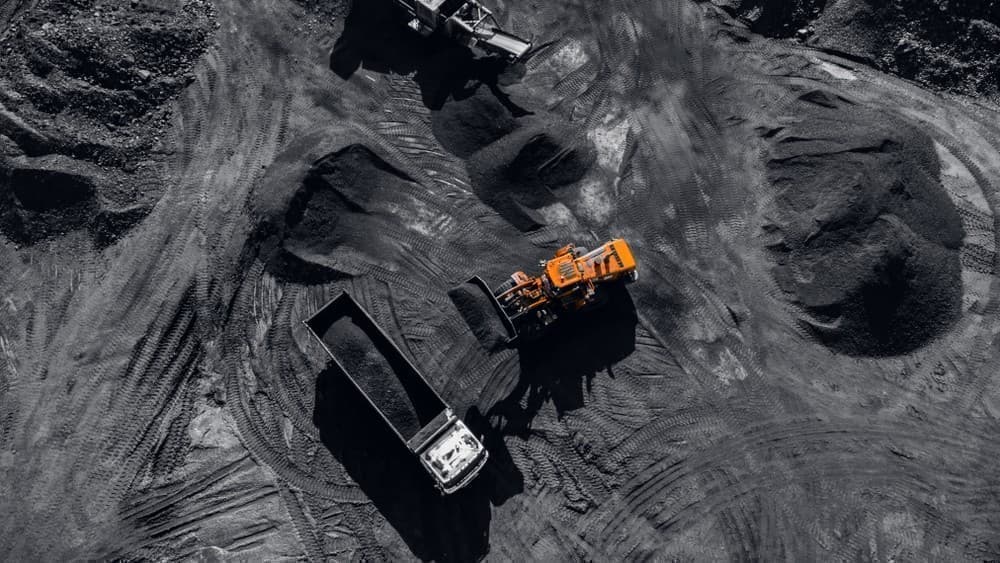
- International Energy Agency projected global coal consumption will climb to a record 8.94 billion metric tons in 2026, reversing its earlier forecast that demand had plateaued and was set to decline.
- The war in Iran choked off a chunk of the world's oil and gas supply in the Strait of Hormuz, pushing countries toward coal as a replacement, with Ember strategist Daan Walter noting 'coal is going up because gas is going down.'
- Mining companies and right-leaning politicians are using the crisis to argue for expansion—Queensland Premier David Crisafulli said he'd welcome new coal-fired plants to power AI data centers, and Northback is reopening a former Alberta mine closed nearly 60 years ago.
- Coal investment hit its highest level in 14 years, per the IEA, but Global Energy Monitor analyst Christine Shearer distinguished a 'small short-term bump' from a genuine resurgence, and Walter called new mine plans 'reckless business plans' headed for a 'sugar crash.'
- India said this week it may be forced to add more coal-fired capacity than planned, even as it has quadrupled its renewable capacity to roughly 300 gigawatts over the past decade—well ahead of its Paris Agreement targets.
- The IMF warned the world is nearing 'limits of resilience' to absorb future energy shocks, even as wind and solar growth has cushioned the economic effects of the oil shock so far.
Why it matters: Walter of Ember likened the coal surge to being the most powerful man on the Titanic—winning a larger share of a fossil-fuel slice that is on track to shrink relative to renewables. The IEA's own figures, India's parallel renewables buildout, and the analyst warnings all suggest the 'comeback' headlines overstate coal's actual trajectory.
Ask SkimNews