Japan Rearms as Hiroshima Survivors Warn of Nuclear Risk — SkimNews
Get the Geopolitics newsletter
Daily geopolitics — wars, elections, sanctions, the diplomatic moves that move markets. Free.
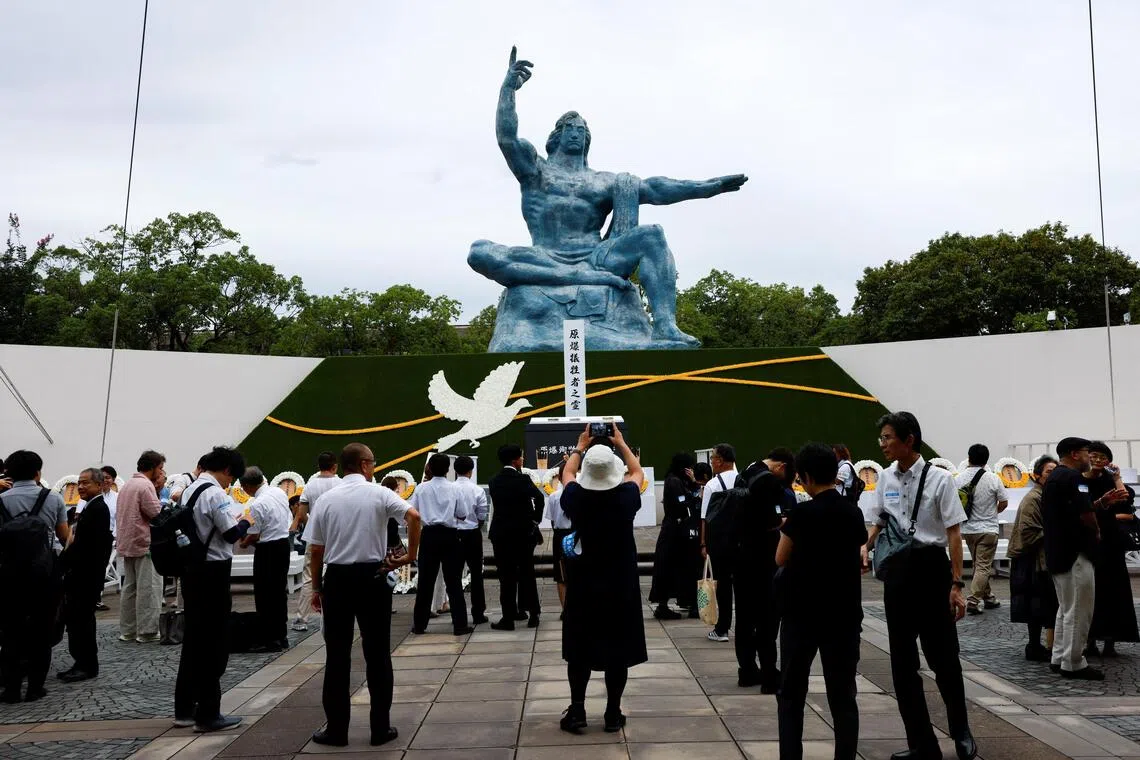
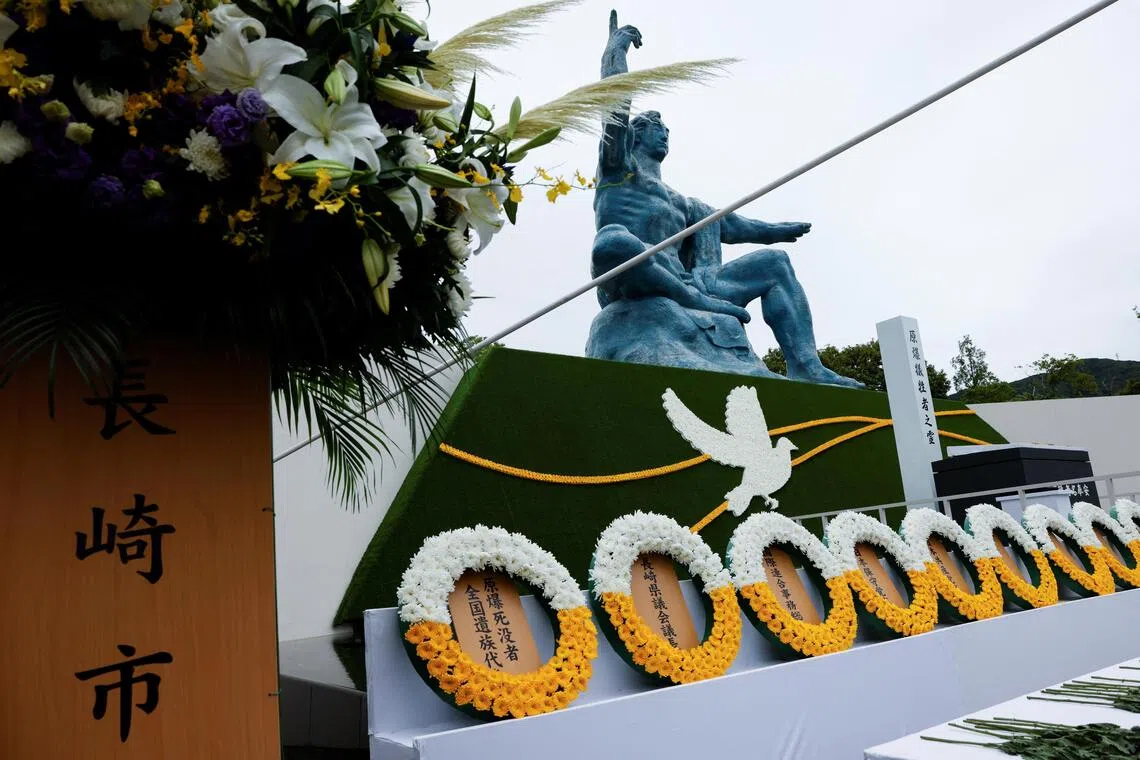
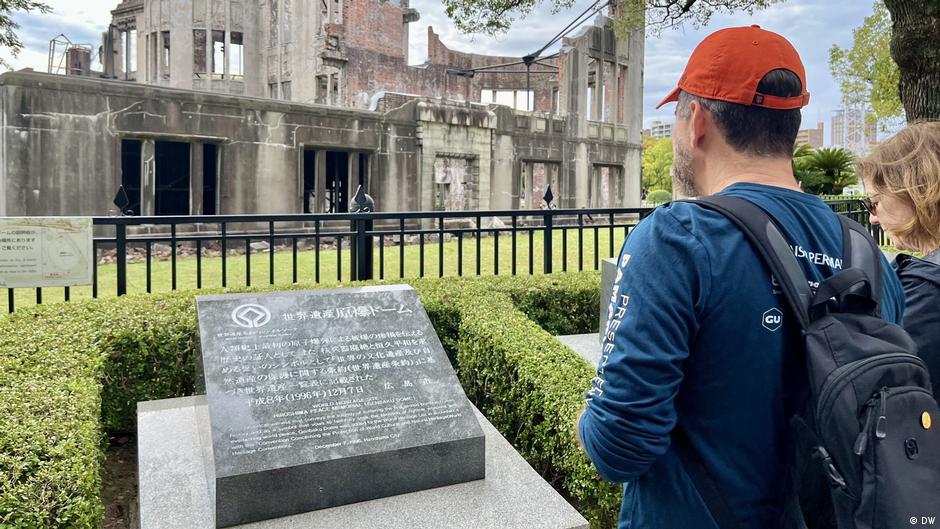
- Hiroshima and Nagasaki survivors marked the 81st anniversary on August 6, 2026, with Nihon Hidankyo's 84-year-old Hiroshima survivor Masashi Ieshima warning that Japan's military buildup "is no different from recreating the arms race that led the country toward World War II" and could lead to nuclear war.
- Prime Minister Sanae Takaichi, in office since October 2025, relaxed arms export restrictions in April 2026 to permit lethal weapons exports and is now considering revising Japan's three non-nuclear principles against possessing, producing, or hosting nuclear weapons.
- Defense Minister Shinjiro Koizumi wrote in the latest annual defense white paper that Japan must reinforce its military with "a sense of urgency and crisis," citing threats from China, North Korea, and Russia; Takaichi said in November 2025 a Chinese attack on Taiwan could constitute a "survival-threatening situation" justifying collective self-defense.
- Nihon Hidankyo assistant secretary general Masako Wada, a Nagasaki survivor, said the current administration is "destroying" the international trust Japan built through its pacifist constitution, and urged the world to see nuclear danger as "not something in the past, but in front of us right now."
- The average age of Japan's "hibakusha" atomic bomb survivors has reached almost 87, with second-generation survivor Takako Nakamura (73) beginning family testimony work in February 2026 to pass their story to younger generations before the original witnesses are gone.
- Around 27,000 people rallied outside Japan's parliament on July 10 in anti-war protests, with activist Nahoko Hishiyama noting recent demonstrations are increasingly led by people in their 20s to 40s, with more women participating.
- Sophia University professor Koichi Nakano called the argument that Japan must rearm against China "not convincing," noting China's military activities remain limited compared to Russia's war in Ukraine and US attacks on Iran, and urged Japan to "stop demonizing China" and pursue dialogue.
Why it matters: Japan is dismantling its postwar pacifist framework at speed—lethal arms exports legalized in April 2026, non-nuclear principles under formal review—while the average age of its atomic bomb survivors hits ~87. If Tokyo revises those non-nuclear principles, it abandons 80 years of restraint as the only country ever attacked with nuclear weapons, with Defense Minister Koizumi explicitly citing China, North Korea, and Russia as the trigger.
Ask SkimNews