Beth Chatto Names UK Drought Plant Survivors — SkimNews

Get the Energy newsletter
Daily energy & climate — solar, EVs, oil, the policy fights and tech bets shaping the transition. Free.
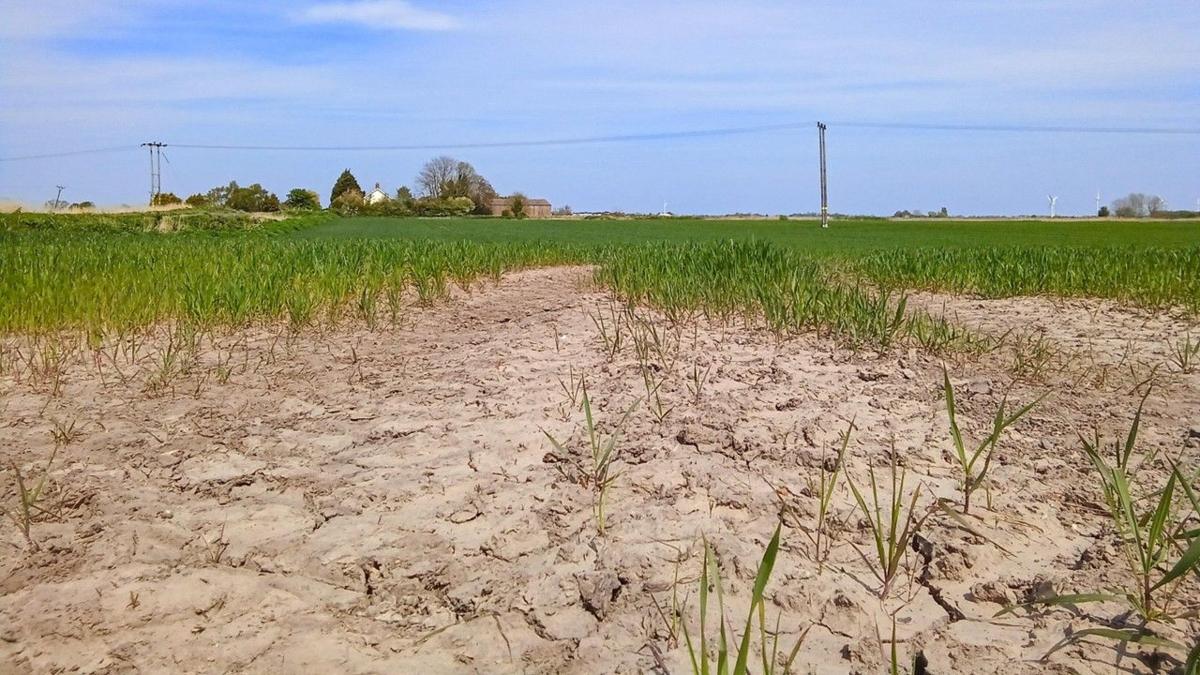
- Beth Chatto Gardens in Essex - one of England's oldest unwatered public gardens, established in 1992 on a former car park - is showing desiccated, brown foliage in exposed parts of its grounds, with dry, cracked soil and stunted growth familiar across southern England this summer.
- Head gardener Malin Andersson says stunted growth, leaf drop and leaf curl are signs of drought stress rather than death, but notes that mid-summer hard cuts have failed to bring plants back this year and the team is leaving roots in place to hope for recovery next year.
- Bergenia (elephant ears) - usually reliable in drought thanks to waxy leaves that retain water - are 'struggling, browned or dying' in the most exposed parts of the gravel garden, something Andersson says she has 'never seen them do before.'
- Plants weathering the drought at Beth Chatto include agapanthus, California fuchsia (Epilobium canum 'Dublin'), Russian sage (Salvia yangii), Spanish broom (Spartium junceum), catmint, Stipa grasses, calamagrostis and giant scabious (Cephalaria gigantea).
- RHS senior water scientist Nicholas Cryer said UK households produce an estimated 60 litres of grey water per person per day that can be safely used on ornamental gardens, but it must be used within 24 hours to limit bacterial growth and never applied to edible salad crops.
- Rainfall records at Beth Chatto underline the volatility: 177mm fell in January 2025, compared with 19mm in January 2022 - a gap Andersson cites against any wholesale switch to Mediterranean, free-draining planting, since a wetter winter could rot those species.
- With hosepipe bans in force across much of England, gardeners are being urged to catch shower, bath and dishwashing water in basins, with Cryer noting that soil and compost effectively filter out small amounts of soap and detergent.
Why it matters: Hosepipe bans across much of England have turned garden watering from a habit into a rationing exercise, and the RHS figure of 60 litres of recoverable grey water per person per day offers a measurable alternative to mains supply. Beth Chatto's real-world results give the UK's gardening public an evidence-based shortlist of which ornamentals - and which previously trusted stalwarts like bergenia - will and will not survive an increasingly hot, dry British summer.
Ask SkimNews