Aspirin cuts dementia risk 70% in genetically susceptible — SkimNews
Get the Health newsletter
Daily health & science — research, biotech, public health, the studies worth knowing. Free.
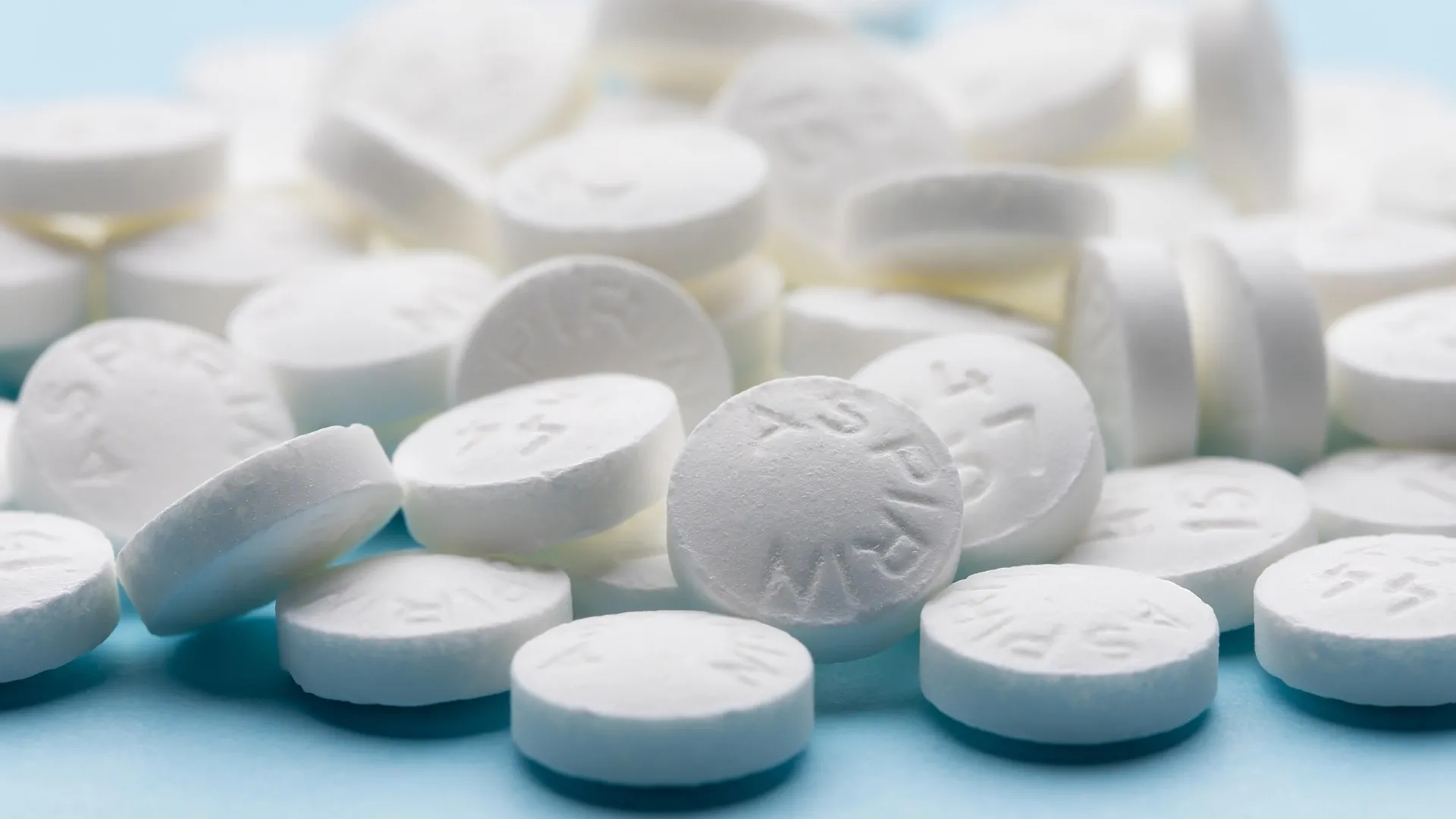
- Monash University researchers analyzed genetic data from over 13,500 ASPREE Trial participants and found that low-dose aspirin was linked to a 70% lower relative risk of dementia in those with high platelet count genetic scores.
- People in the top 20% of platelet count genetic scores who took aspirin had a dementia incidence of 1%, compared to 3.3% in the placebo group, according to the study published in Alzheimer's & Dementia.
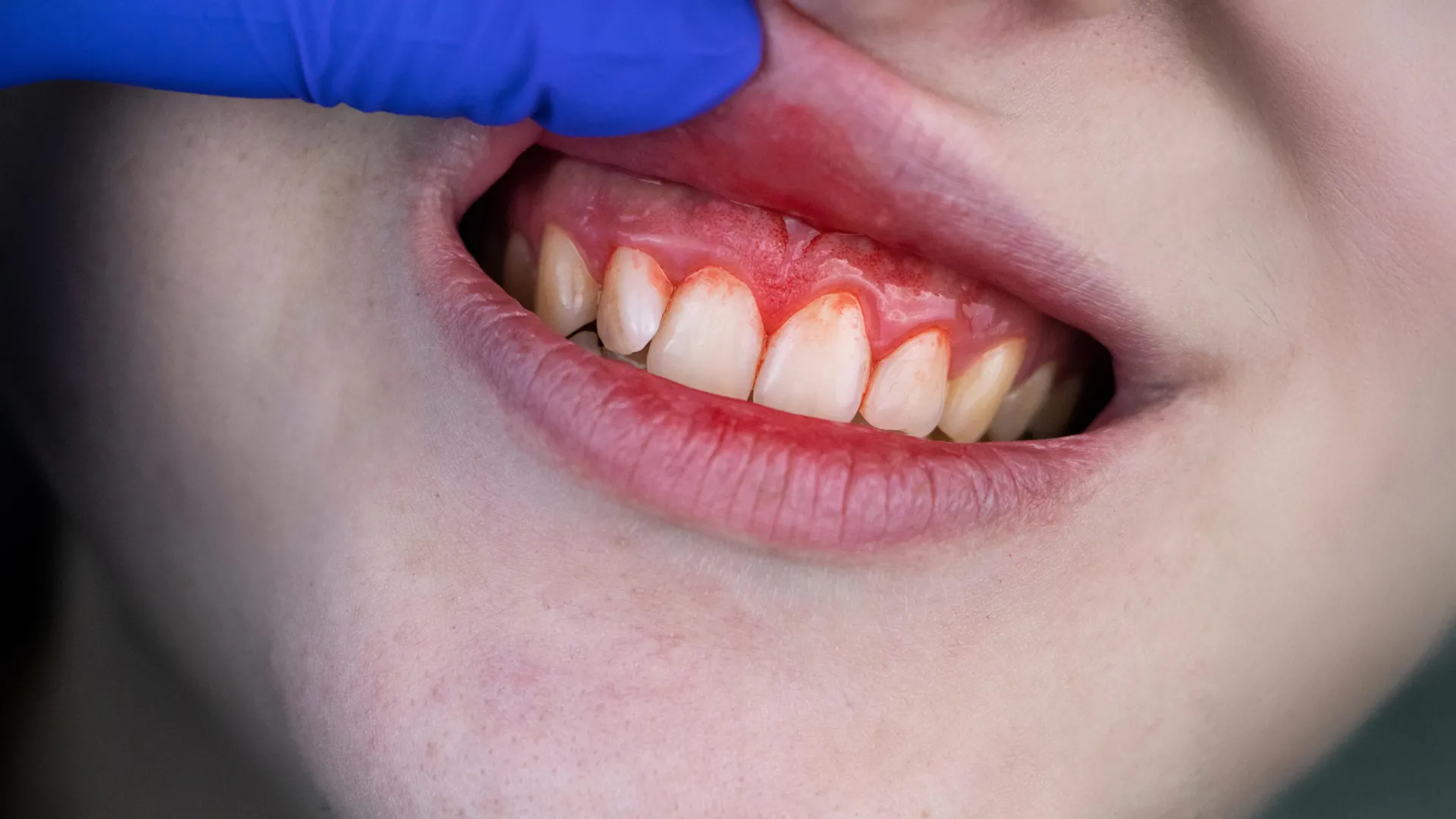
- The same genetic group taking aspirin experienced major bleeding at nearly double the rate—4.4% versus 2.1% in the placebo group—highlighting a significant safety trade-off.
- Dr. Peter Fransquet stated the findings suggest genetics could help identify who might benefit from aspirin for dementia prevention, moving beyond a one-size-fits-all approach.
- The study identified the genetic signal in platelet biology, not in established Alzheimer’s risk genes, opening a new avenue for dementia research.
Why it matters: Older adults with a specific genetic profile may gain substantial dementia protection from low-dose aspirin, but face doubled bleeding risk. If confirmed, this could shift prevention strategies toward genetic screening—making a common drug more targeted, yet raising safety concerns for a high-risk group already vulnerable to hemorrhage.
Ask SkimNews