It’s about to get a lot harder to keep countries honest about climate change — SkimNews

Get the Energy newsletter
Daily energy & climate — solar, EVs, oil, the policy fights and tech bets shaping the transition. Free.
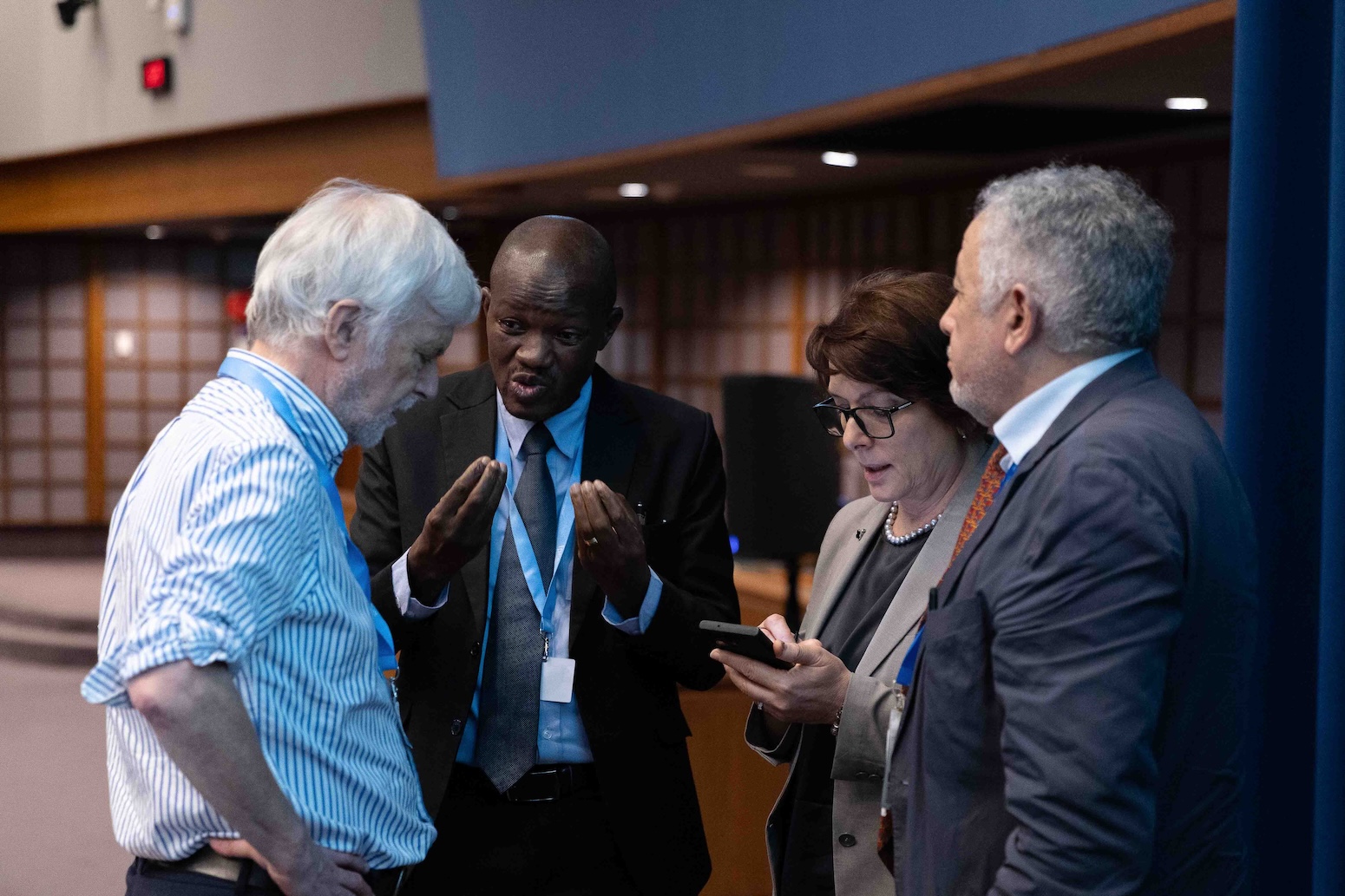
- IPCC suspended its Addis Ababa meeting on Oct 16 without agreeing on a publication timeline for the AR7 assessment, jeopardizing alignment with the 2028 UN global stocktake.
- AR7 is a series of high-profile scientific reports on the climate threat, adaptation pathways, and required emissions cuts — designed to generate media pressure ahead of COP summits.
- Russia and Saudi Arabia are arguing low-income countries need more time to review the findings; former IPCC chair Bob Watson called it "obviously a delaying tactic" by countries that "don't want action."
- IPCC chair Jim Skea said he will reconvene "at the earliest opportunity"; the likely outcome now splits the science report (May 2028) from the adaptation and mitigation reports (2029).
- The 2028 global stocktake is meant to evaluate Paris Agreement progress and set new national climate goals; without a timely IPCC report, AR7 lead author Richard Allan warns it "impedes global ambition."
- The 2023 stocktake, which followed AR6 by months, produced the COP28 commitment to transition away from fossil fuels and to triple renewable capacity by 2030 — a precedent the delay now disrupts.
Why it matters: Without an IPCC report landing before the 2028 stocktake, countries face less scientific and media pressure to submit ambitious new emissions targets. Watson noted delay-seeking countries know the reports would say "we're not on target for 1.5°C or even 2°C," so a procedural stall directly serves fossil-fuel-dependent states trying to ease scrutiny while national climate goals are being negotiated.
Ask SkimNews