Latin Music's Global Rise Ends English-Language Rule — SkimNews

Get the Culture newsletter
Daily culture — film, music, books, the trends and ideas worth your attention. Free.
- Manuel Abud, CEO of the Latin Recording Academy, opened Taiwan's 2026 Golden Melody Festival conference titled "The Rise of Latin Music: From Regional Niche to Global Force" ahead of the Golden Melody Awards in Taipei, pushing back against the idea that Latin music is a single genre.
- Latin music reaches nearly 900 million people worldwide and generates billions through streaming, making it one of the fastest-growing sectors in the global music industry, per Abud's keynote remarks.
- Abud mapped the genre's evolution across three stages: timeless classics like "Bésame Mucho" (1940) and "The Girl from Ipanema" (1964); the 1990s crossover era where Gloria Estefan, Ricky Martin, and Shakira sang in English; and the streaming era beginning with Luis Fonsi's Spanish-language "Despacito" in 2017.
- Ricky Martin's performance of "The Cup of Life" at the 1999 Grammys marked the first real breakthrough for Latin music in the United States, but his biggest international hits were performed in English — the era's price of admission to global success.
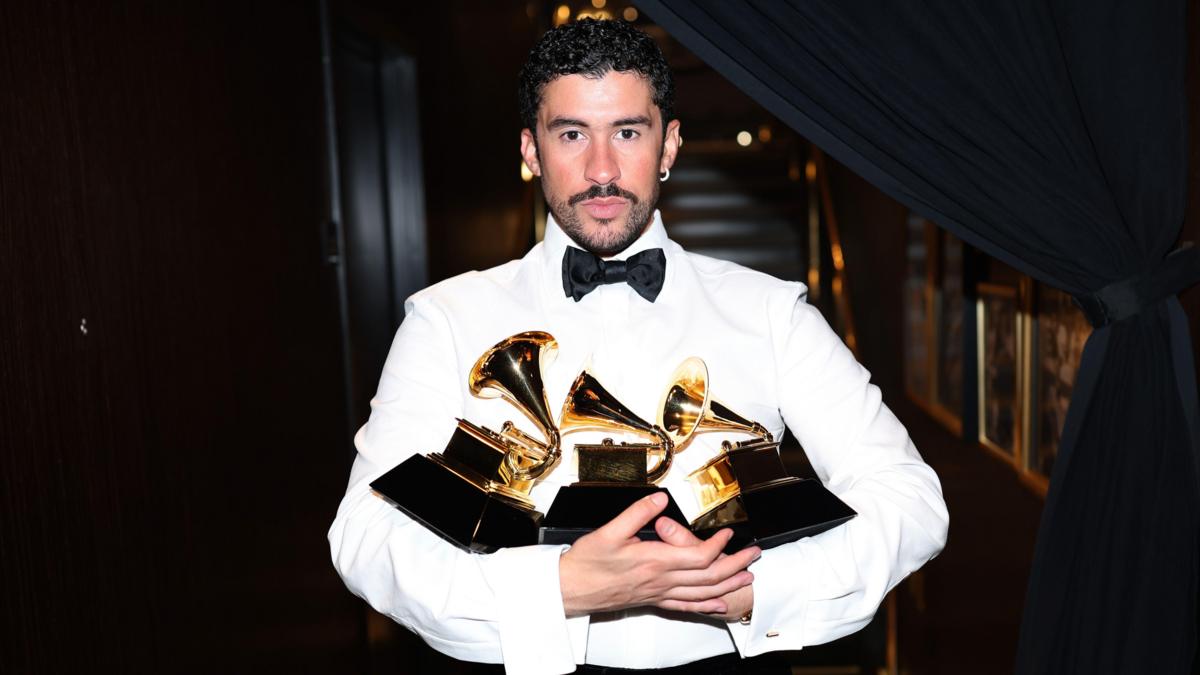
- Bad Bunny embodies the post-Despacito shift, opening the 65th Grammy Awards in 2023, winning Album of the Year in 2026 with a fully Spanish-language record, and performing at the recent Super Bowl — proof that authenticity, not linguistic compromise, drives global reach.
- Abud drew an explicit parallel between Latin music and Asian music as umbrella terms encompassing diverse cultures and sounds, telling Variety that "Latin music and K-pop have challenged that assumption" about English as the default language of global pop.
- Abud said collaboration will define the genre's next phase as lines between genres blur and creators develop fusion sounds, noting that streaming has opened new growth in Europe beyond the traditional U.S. diaspora markets.
Why it matters: Bad Bunny's 2026 Album of the Year Grammy for a fully Spanish-language record — framed by Abud as the clearest proof of the shift — gives non-English artists a concrete blueprint that bypasses the old English-language gateway. With Latin music now reaching 900 million people and generating billions in streaming, labels and global platforms must reckon with Spanish and Portuguese as commercially dominant pop languages, not niche exceptions.
Ask SkimNews