Cornell: Solar Panels Beat Natural Windbreaks on Farms — SkimNews
Get the Energy newsletter
Daily energy & climate — solar, EVs, oil, the policy fights and tech bets shaping the transition. Free.
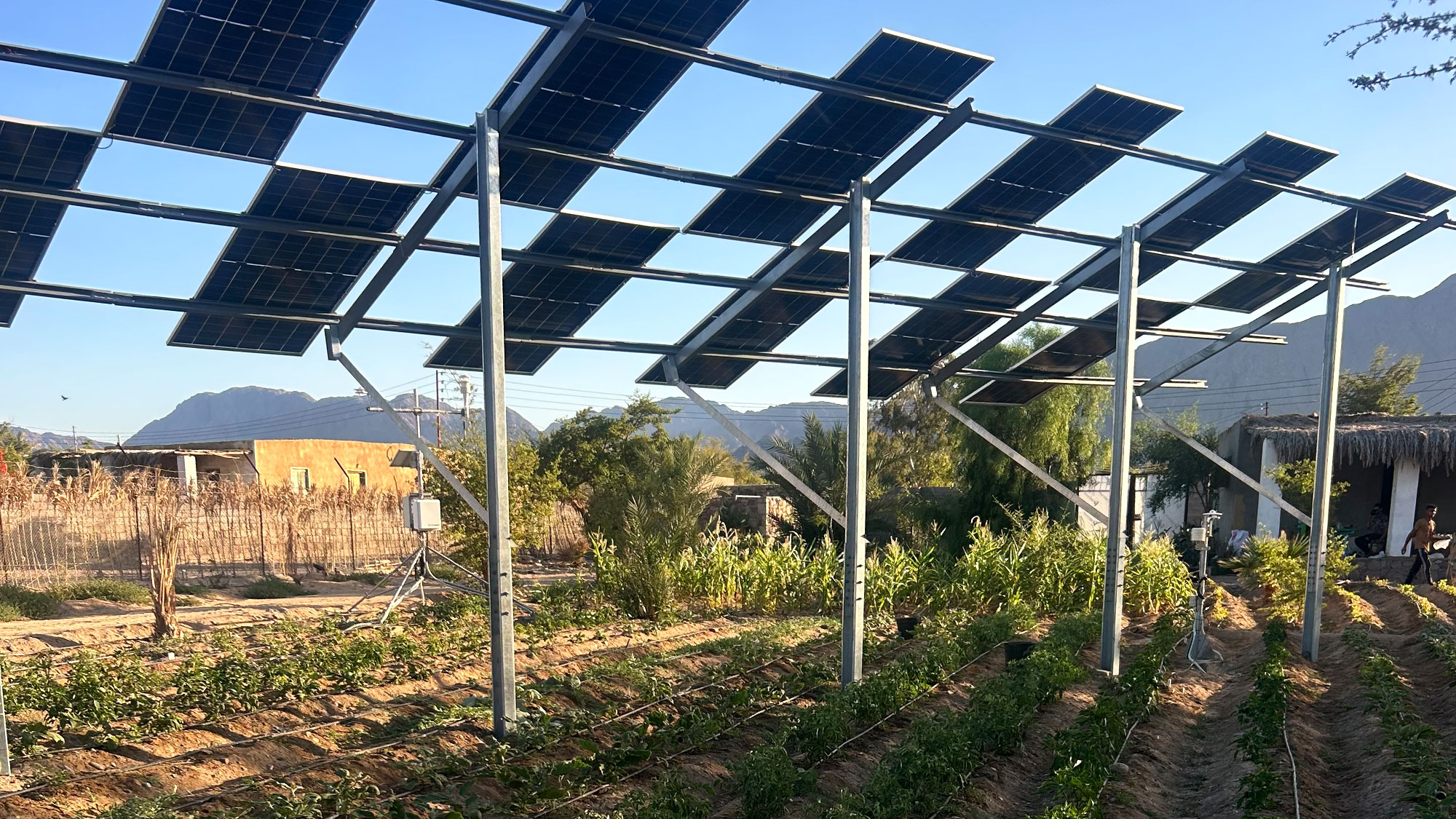
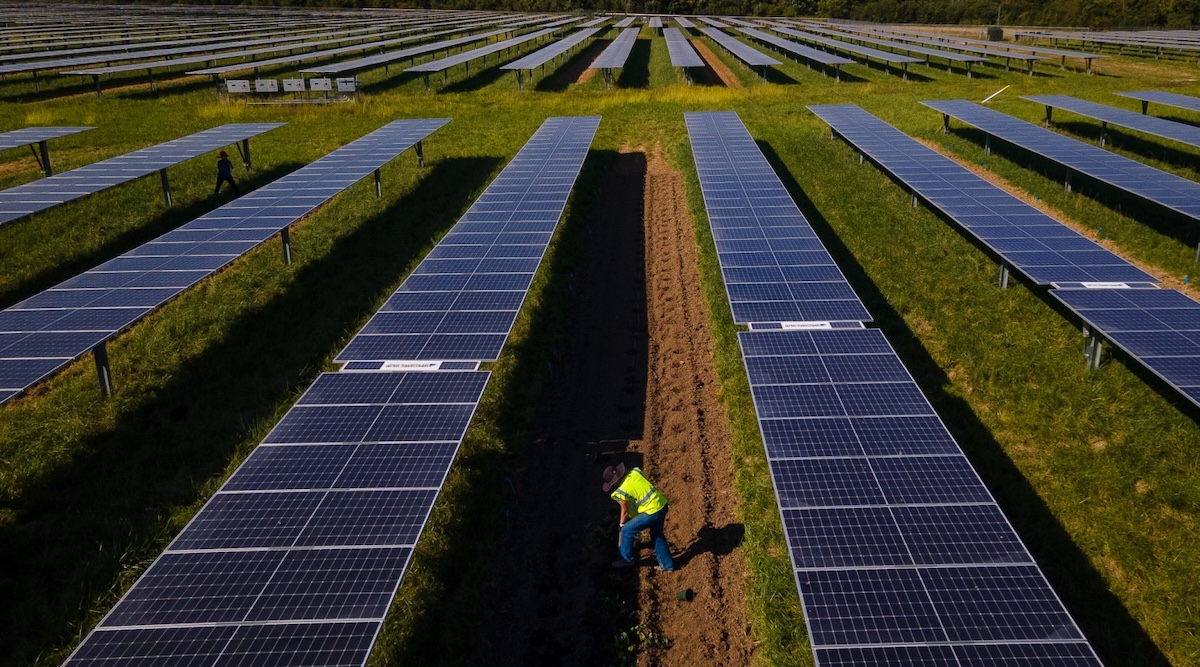
- Cornell University researchers from the Sibley School of Mechanical and Aerospace Engineering published a study in the journal Agricultural and Forest Meteorology concluding that solar panels in agrivoltaic arrays can outperform natural windbreaks at shielding farmland from wind damage.
- Wind erosion costs the US agricultural sector more than $9 billion annually, the Cornell team noted, and well-designed natural windbreaks already cut soil loss by up to 20% and boost wheat yields 5–25% in sheltered zones.
- The study's optimal configuration — a lowered first wind-facing row of tilted solar panels — achieved 50% wind reduction across 90% of the shelter zone at a 35 m/s inlet wind speed, a result the researchers identified using computational fluid dynamics modeling.
- Single-axis tracking solar panels can dynamically tilt to block damaging winds or allow airflow for crop aeration, an adaptability static natural windbreaks lack, with the researchers flagging particular value in wet Northeastern US climates prone to mildew.
- The article frames agrivoltaics as a financial lifeline for farmers burdened by tariffs, labor shortages, and rising fuel and fertilizer costs, noting solar hardware can be removed after 20–35 years — unlike permanent conservation easements that remove farmland from production indefinitely.
Why it matters: With $9 billion in annual US wind-erosion losses, farmers gain a dual-use option that generates energy while protecting soil more effectively than traditional tree windbreaks, which compete with crops for land. The tracking-panel advantage adds dynamic, real-time wind control that static natural windbreaks cannot match — and unlike permanent conservation easements, solar arrays are removable after 20–35 years.
Ask SkimNews