India: Can 'cockroaches' threaten Modi's political grip? — SkimNews
Get the Geopolitics newsletter
Daily geopolitics — wars, elections, sanctions, the diplomatic moves that move markets. Free.
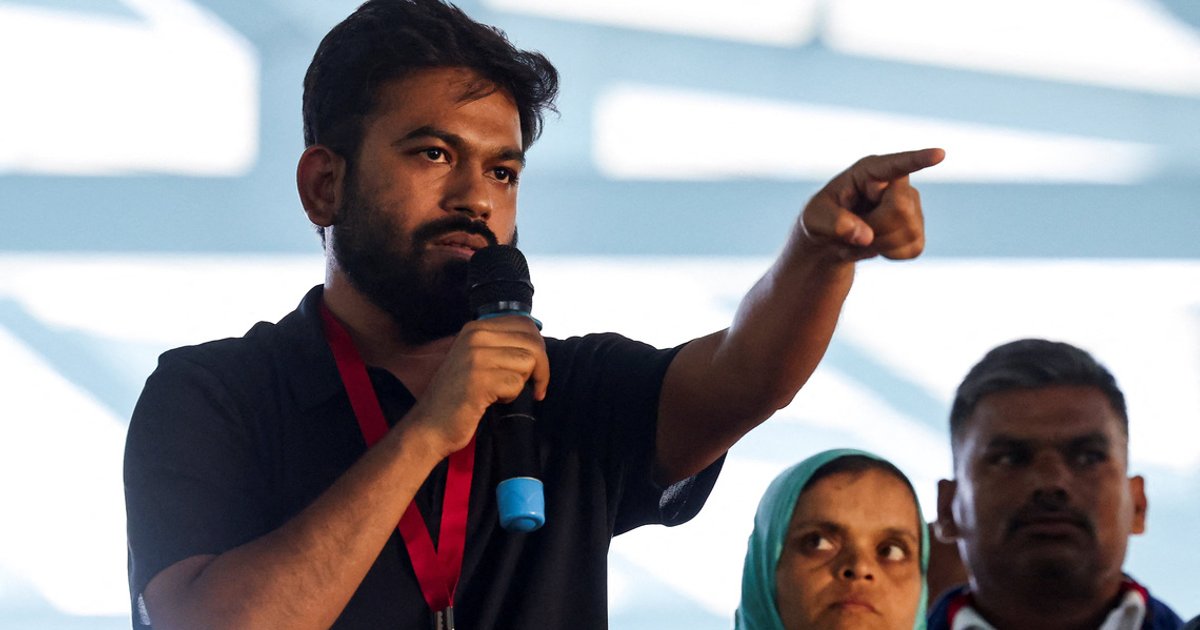
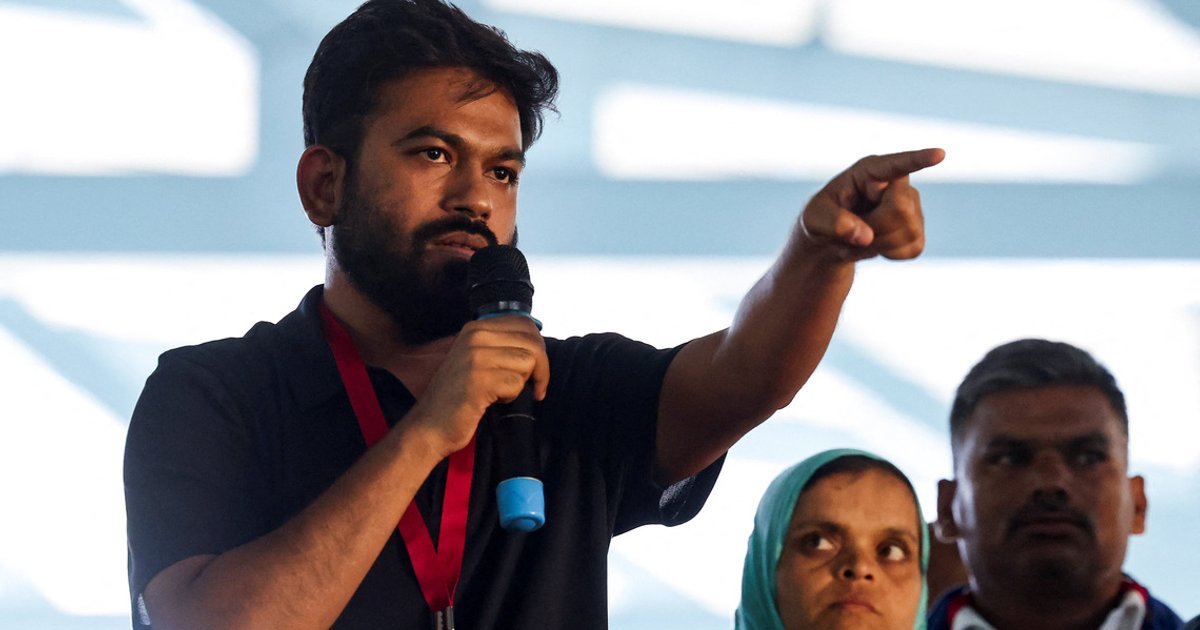
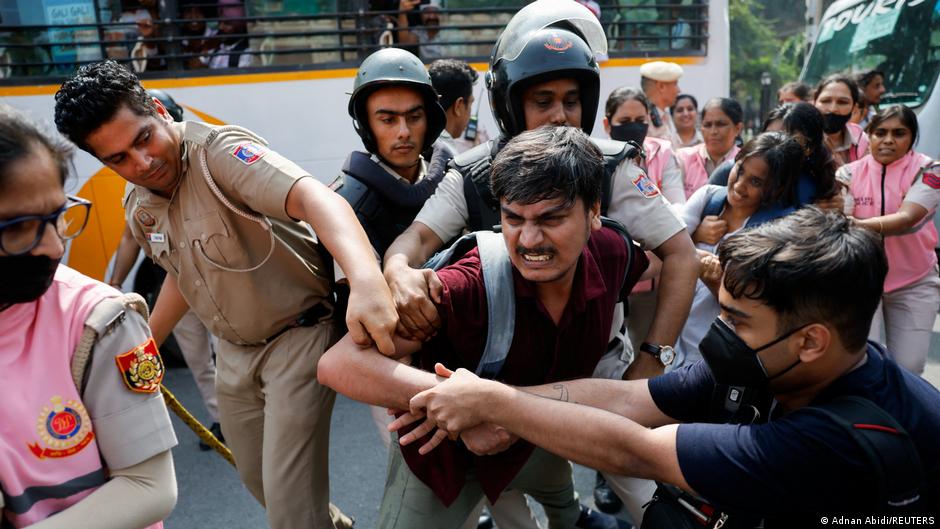
- Cockroach Janata Party (CJP) leaders including founder Abhijeet Dipke were detained at New Delhi's airport on October 10 and at least 3,000 people were held across the city during the second round of protests demanding Chief Election Commissioner Gyanesh Kumar's resignation over reports that 130 million+ names were removed from electoral rolls.
- The Indian government deployed mass security, transport cuts, internet shutdowns, and preemptive arrests — a marked escalation from its July response, when baton charges and pellets dispersed protesters over exam paper leaks.
- Delhi-based writer Nilanjan Mukhopadhyay, Modi's biographer, called the scale of deployment 'a defeat for Mr. Modi,' arguing the prime minister is politically at his weakest even as he marks 25 uninterrupted years leading elected governments.
- ACLED analyst Pearl Pandya warned the approach risks becoming a 'playbook for the future' after Jantar Mantar was removed from designated protest sites, though authorities announced three new sites; she added sustained discontent could cost the BJP in 2029 national elections.
- Sociologist Surinder Singh Jodhka framed both protest waves as continuity, saying young people are asking 'similar questions about institutions, about democracy, about transparency and accountability' — and dismissed comparisons to Nepal and Bangladesh uprisings, citing India's strong institutions as a safeguard.
- Social media personality Dhruv Rathee, with nearly 20 million Instagram followers, had police stationed outside his home; CJP leaders face courtroom charges following earlier July protests that initially drew thousands to the streets.
Why it matters: Modi's government detained 3,000 protesters and intercepted movement leaders at airports to preempt a nascent youth movement targeting the election commissioner — a response that, per ACLED analyst Pearl Pandya, risks establishing a 'playbook for the future' of shutting down protests before they grow, with the same expert warning the discontent may cost the BJP in 2029 national elections.
Ask SkimNews