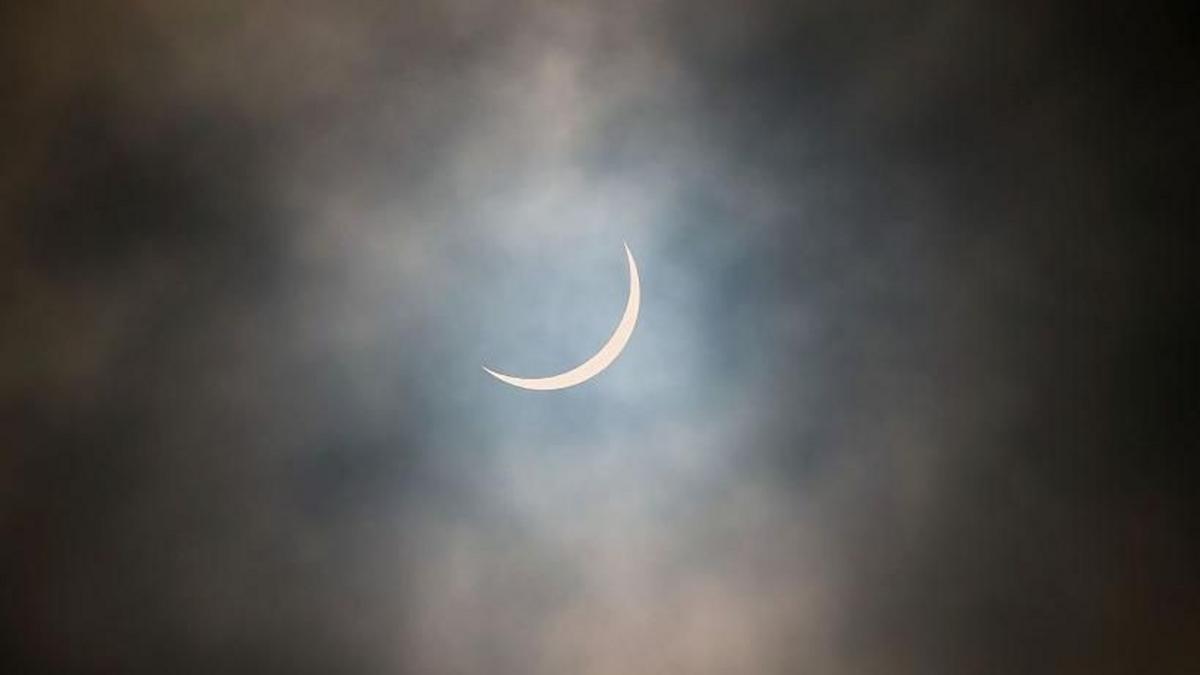
UK Solar Eclipse: Best Viewing Spots Wednesday — SkimNews
Get the Health newsletter
Daily health & science — research, biotech, public health, the studies worth knowing. Free.
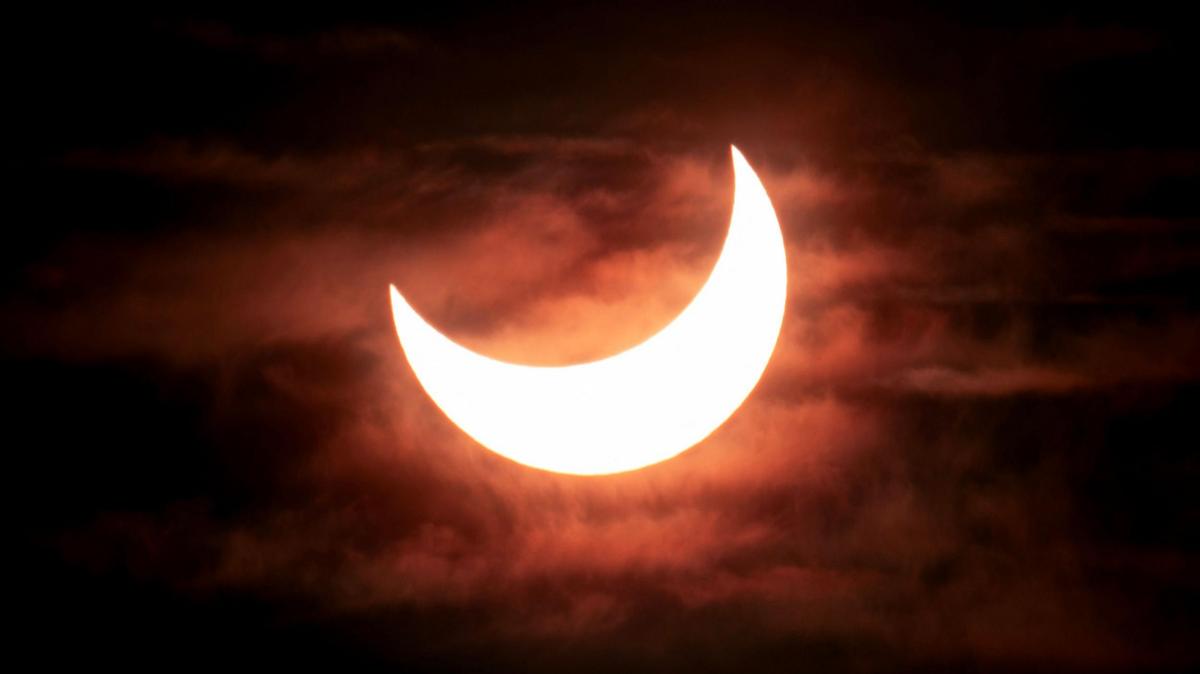
- UK viewers will see 90-96% sun coverage depending on location, with the western UK best placed: Plymouth 95%, Cardiff 93.2%, Belfast 93.1%, dropping to 88% in Shetland, according to coverage data in the source.
- The eclipse starts around 6.08pm in Edinburgh and Glasgow, reaching London by 6.17pm and Cornwall by 6.18pm, with maximum obscuration roughly an hour later and ending around 8pm, per astronomer Sarah Crowther of the University of Manchester.
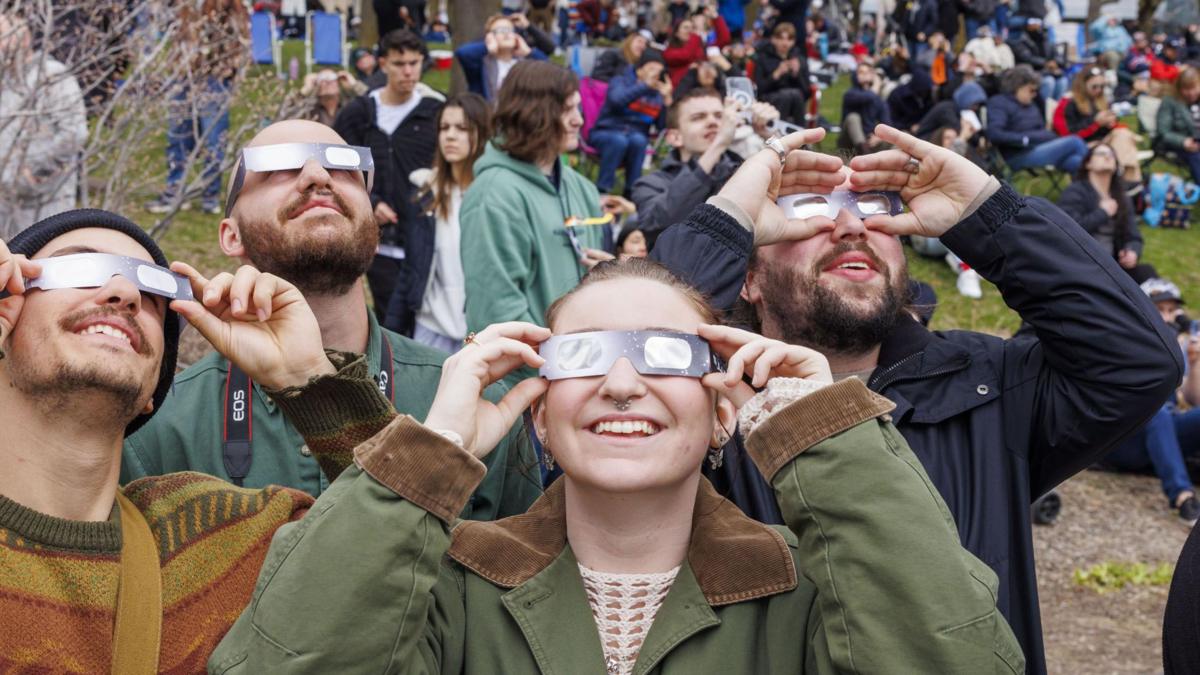
- The Royal College of Ophthalmologists recorded about 70 cases of vision problems after the 1999 total solar eclipse, prompting the UK Health Security Agency to stress specialist eclipse glasses meeting ISO 12312-2:2015(E) or indirect viewing methods like pinhole projection.
- Met Office meteorologist Tom Morgan said the south and east of the UK are likeliest to see clear skies, while Scotland and Northern Ireland face higher risk of thick cloud and rain — a critical variable given the 2081 gap until the next comparable event.
- Scotland's astronomer royal Catherine Heymans advised a 'dress rehearsal' at the planned viewing spot to confirm the western horizon is unobstructed, recommending sites like Parliament Hill, Alexandra Palace or Primrose Hill in London.
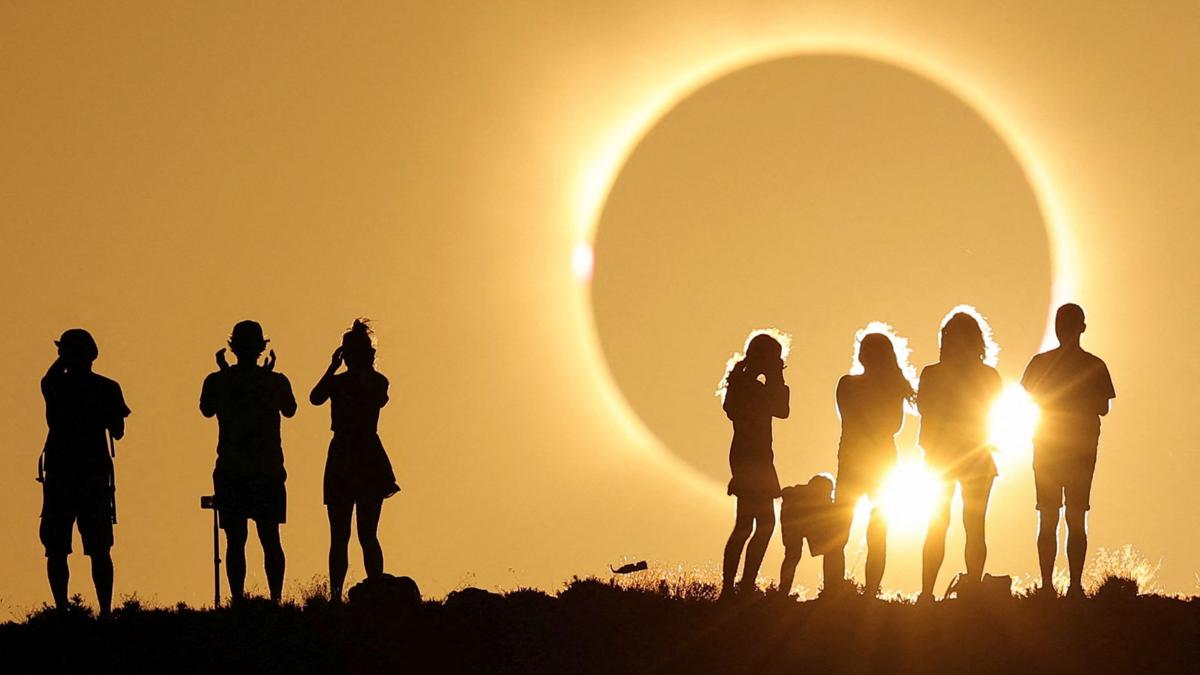
- Crowther noted that animals may go quiet as darkness falls and a dawn chorus could follow as light returns, saying the event often gives viewers 'a sense of awe' that puts the solar system's scale 'into some kind of perspective.'
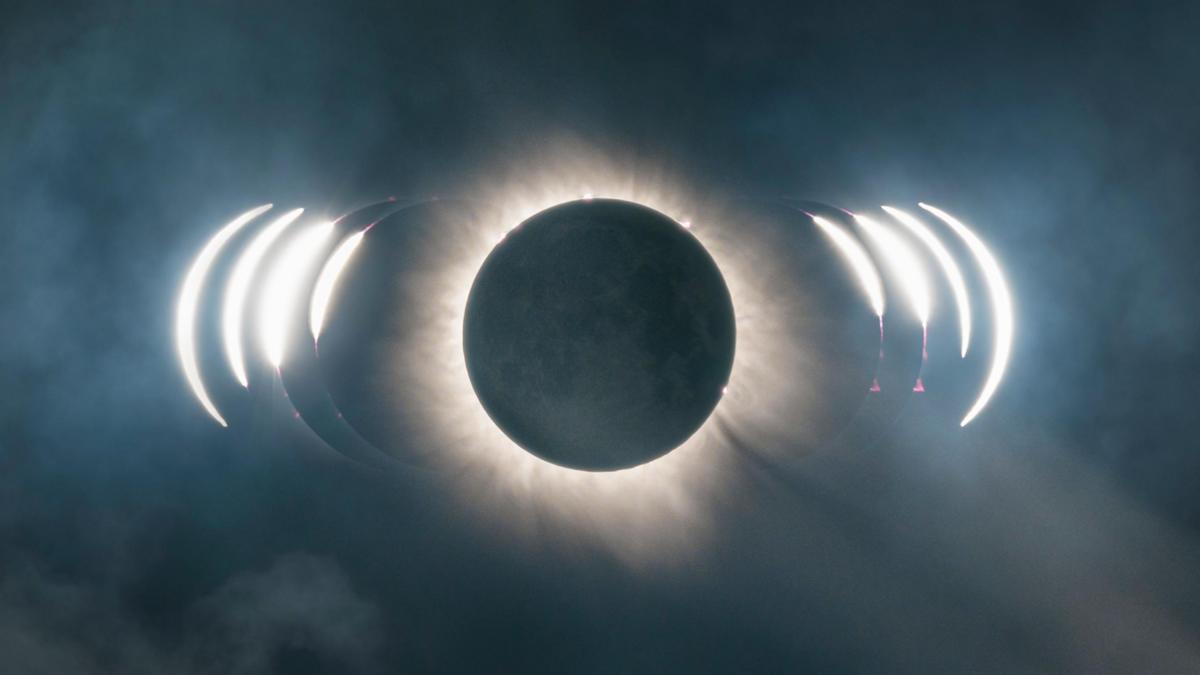
- Total eclipse of up to two minutes and 18 seconds will be visible in parts of Greenland, Iceland and northern Spain, while north-western Europe broadly sees 88-95% coverage.
Why it matters: Wednesday's eclipse is the UK's last near-total solar eclipse until 2081 — a 62-year wait that makes the evening's cloud cover a once-in-a-lifestyle variable. The 70 reported vision damage cases after 1999 give the UK Health Security Agency's safety guidance concrete stakes, since retinal damage from direct viewing often goes painless until too late.
Ask SkimNews