Lamborghini says EV tech ‘not mature enough,’ pushes first EV past 2030
SkimNews Take
Grand touring's core requirement — sustained, long-distance performance driving — is precisely where current battery tech struggles most on weight and range, which makes Lamborghini's BEV-to-PHEV pivot a revealing signal that high-performance long-distance vehicles will be among the last segments to fully electrify.
Get the Energy newsletter
Daily energy & climate — solar, EVs, oil, the policy fights and tech bets shaping the transition. Free.
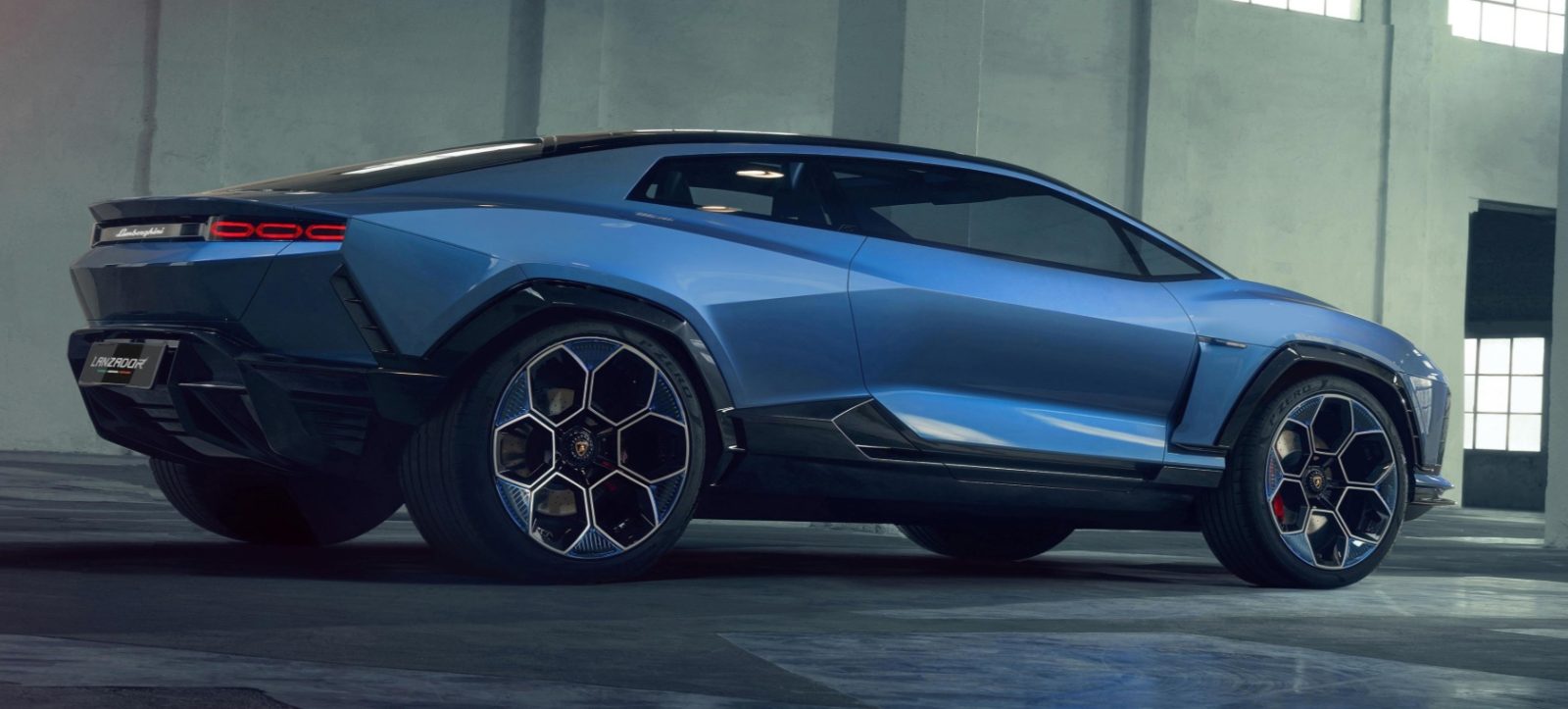
- Lamborghini confirmed the Lanzador will launch as a plug-in hybrid — expected to use the Urus's 4.0-liter twin-turbo V8 PHEV setup — rather than the all-electric 2+2 grand tourer concept it unveiled at Monterey Car Week 2023.
- Stefano Cossalter, Lamborghini's product director for the Urus and Lanzador, told What Car? that customers were "not willing to buy an electric car" and that "the technology is not mature enough," adding that EVs can be fast but "completely missing the emotion."
- Cossalter's product-focused framing marks a shift from CEO Stephan Winkelmann's earlier cost-based objections; the source notes this is the third time Lamborghini has walked back the Lanzador, following an earlier slip from 2028 to 2029 and the February cancellation of the Lanzador EV.
- Lamborghini officially canceled the Lanzador EV in February, with Winkelmann calling full-EV development "an expensive hobby," and the brand now has no plans for an electric Urus — with any fully electric Lamborghini "likely won't arrive until after 2030."
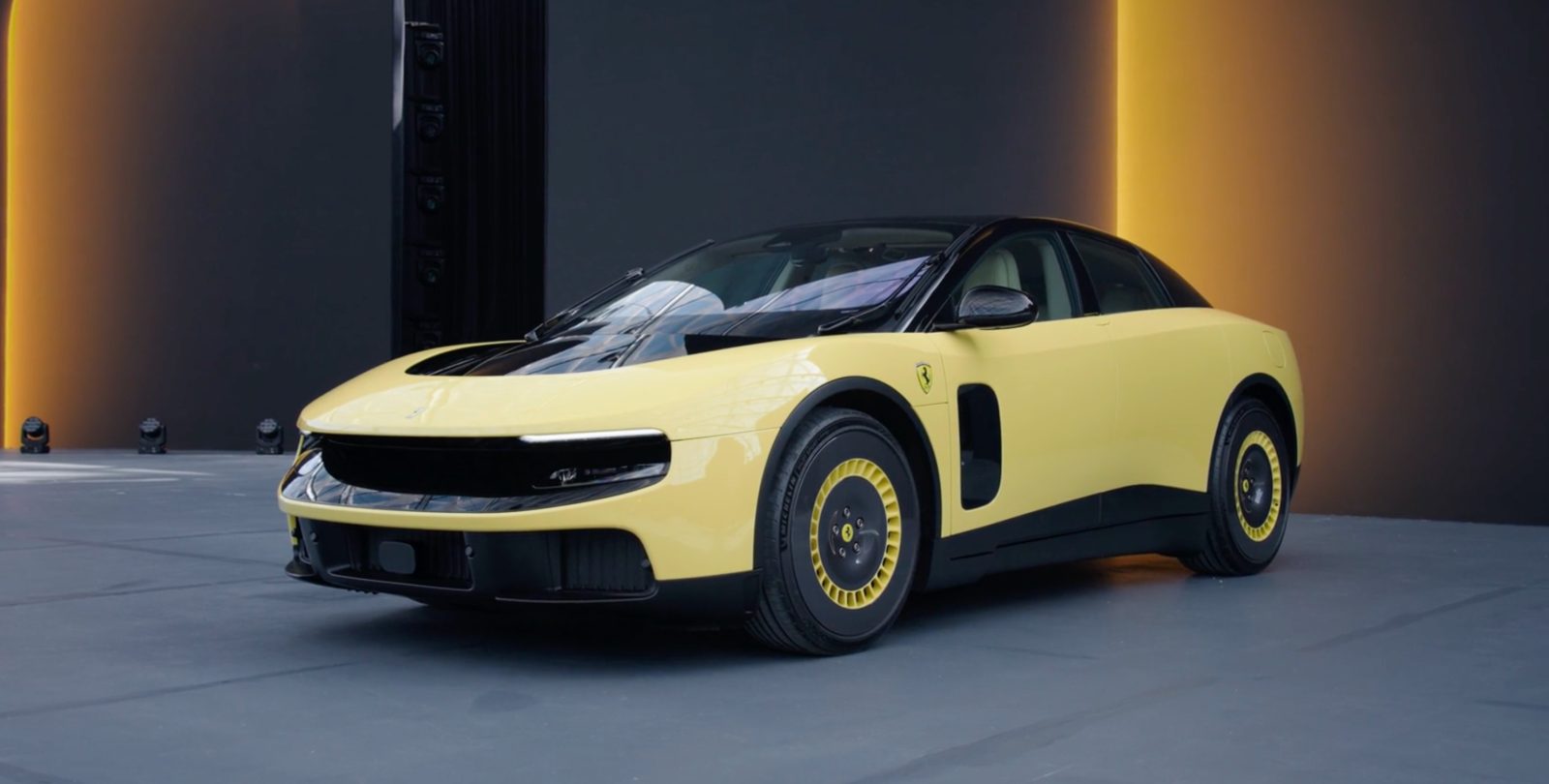
- Competitors are moving in the opposite direction: the Porsche Cayenne offers a fully electric variant, Ferrari and Bentley are preparing their first EVs, China's BYD sells the roughly 1,300-horsepower Yangwang U9 supercar under its ultra-luxury Yangwang brand, and Croatia's Rimac Nevera holds multiple production-car acceleration records.
- Cossalter confirmed Lamborghini continues to develop electric technology in the background, including work on cell chemistry and software, even as it delays any production EV.
Why it matters: Lamborghini's third walkback of the Lanzador — and its first EV now arriving past 2030 — hands competitors Porsche, Ferrari, Bentley, and Chinese entrants like BYD's Yangwang years of additional electric-performance development time in a segment where the Rimac Nevera and ~1,300-hp U9 already exist. Lamborghini is selling roughly 10,000 cars a year, a scale at which the delay protects V8-hybrid margins but cedes early-mover data to brands already selling electric performance cars.