Heatwave Forces Tour de France's First-Ever Stage Shortening — SkimNews

Get the Energy newsletter
Daily energy & climate — solar, EVs, oil, the policy fights and tech bets shaping the transition. Free.
- Tour de France organizers shortened Stage 9 by 30 kilometers (18.6 miles) — the first stage cut in the race's history — as record heat baked the route, with the French government also authorizing regional officials to cancel stages outright during red heatwave alerts.
- The first two weeks of the 23-day race averaged 87°F, the highest in two decades and 8 degrees hotter than 2022's opening fortnight, per ProCyclingStats.com, with Pogačar reporting a 'full headache' at the Stage 4 start when temperatures topped 100°F.
- Tadej Pogačar, the overall race leader heading into Paris, publicly suggested the Tour be moved out of July and August: 'If I had the power, I would change all the calendar and not race in July and August in hot places.'
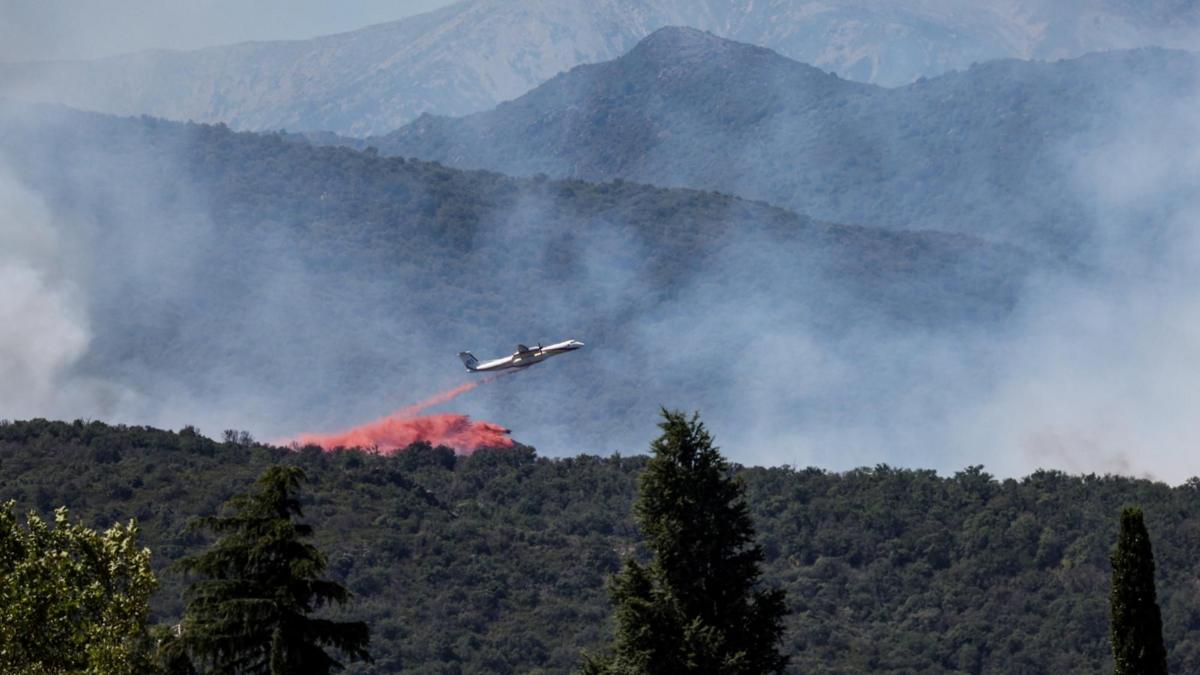
- Wildfires in the Pyrénées-Orientales region during Stage 3 forced organizers to limit the caravan to essential vehicles and ask fans to avoid the final 27 miles; race director Christian Prudhomme called for 'exceptional measures on the Tour.'
- Riders endured extraordinary hydration protocols — one team reported each rider drinking roughly 28 bottles of water daily — while wearing 'ice vests' before stages and 'ice socks' during them, as nighttime temperatures offered little recovery.
- TotalEnergies sponsors a Tour team and holds a three-year deal to underwrite the race itself, a contradiction climate scientist Ivana Cvijanovic flagged: 'France and Spain have been under heat wave warnings for weeks… there was simply no opportunity to be lucky.'
Why it matters: The Tour de France invoked never-before-used government powers to allow outright stage cancellations and made its first-ever stage cut (30 km from Stage 9) as a record heatwave — averaging 87°F in the first two weeks versus 79°F in 2022 — threatened rider safety. Fossil-fuel sponsors like TotalEnergies still underwrite the race even as scientists call its traditional summer calendar untenable.
Ask SkimNews