Sparkling Water Less Harmful to Teeth Than Soda, Study Finds — SkimNews
Get the Health newsletter
Daily health & science — research, biotech, public health, the studies worth knowing. Free.
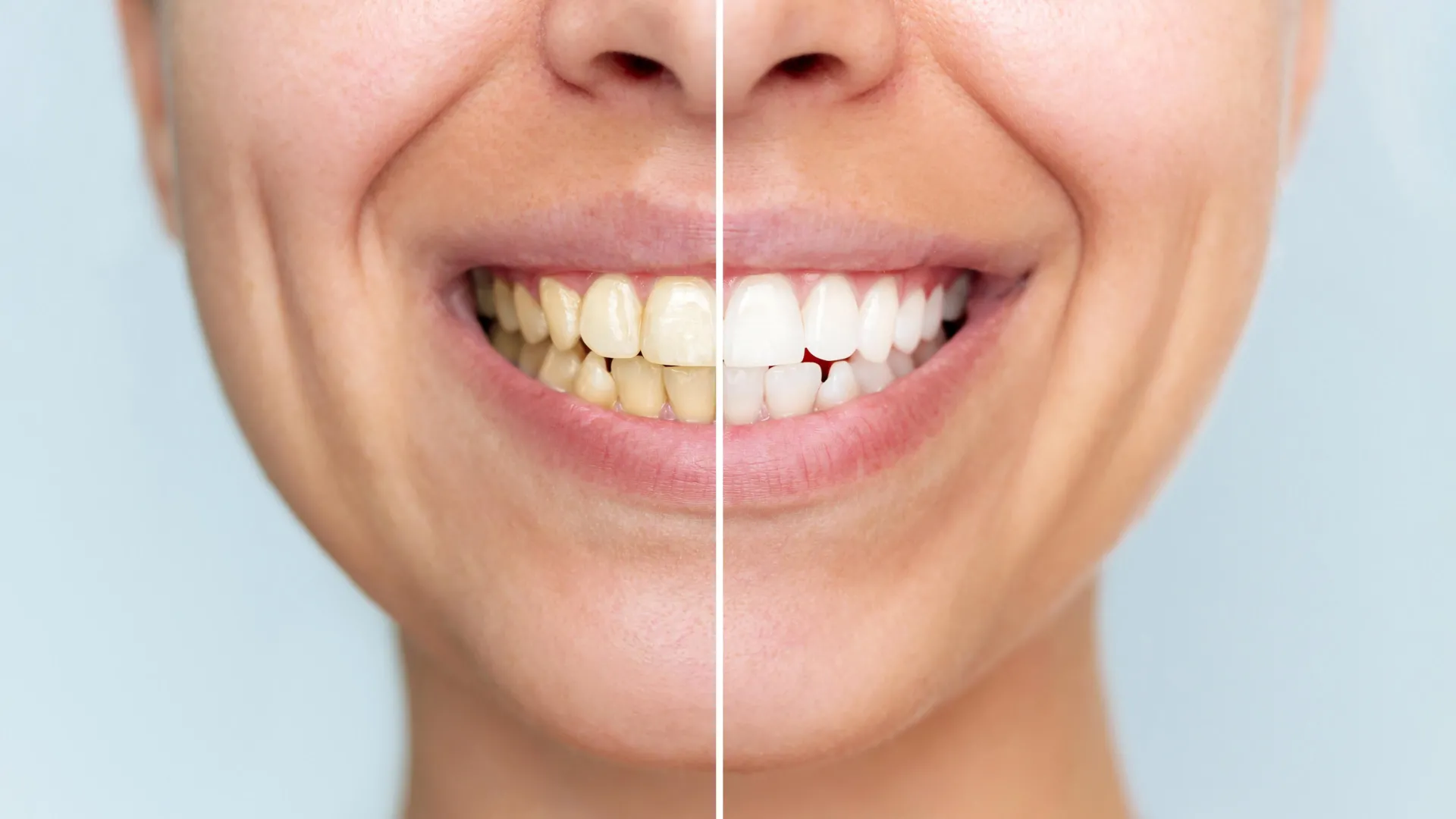
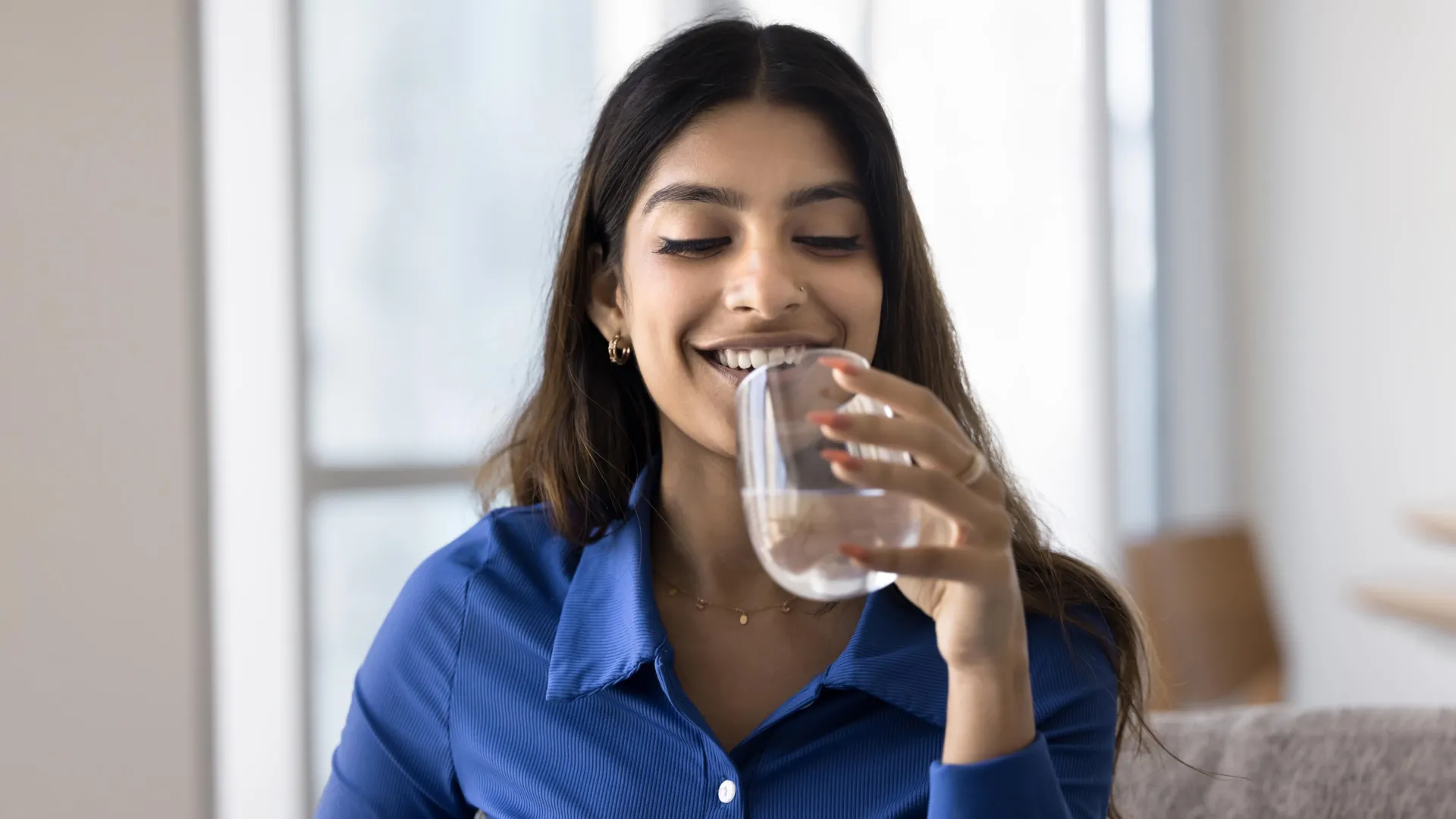
- Wajiha Zulfiqar, a Purdue University nutrition graduate student, presented preliminary research July 26 at NUTRITION 2026 in National Harbor, Maryland, suggesting unsweetened sparkling water is a lower-risk alternative to soda for teeth.
- Researchers tested sugar-sweetened soda, regular sparkling water, calcium-fortified sparkling water, and plain water in 20 adults — each participant drank all four beverages — and tracked real-time salivary pH rather than relying only on the drinks' intrinsic acidity.
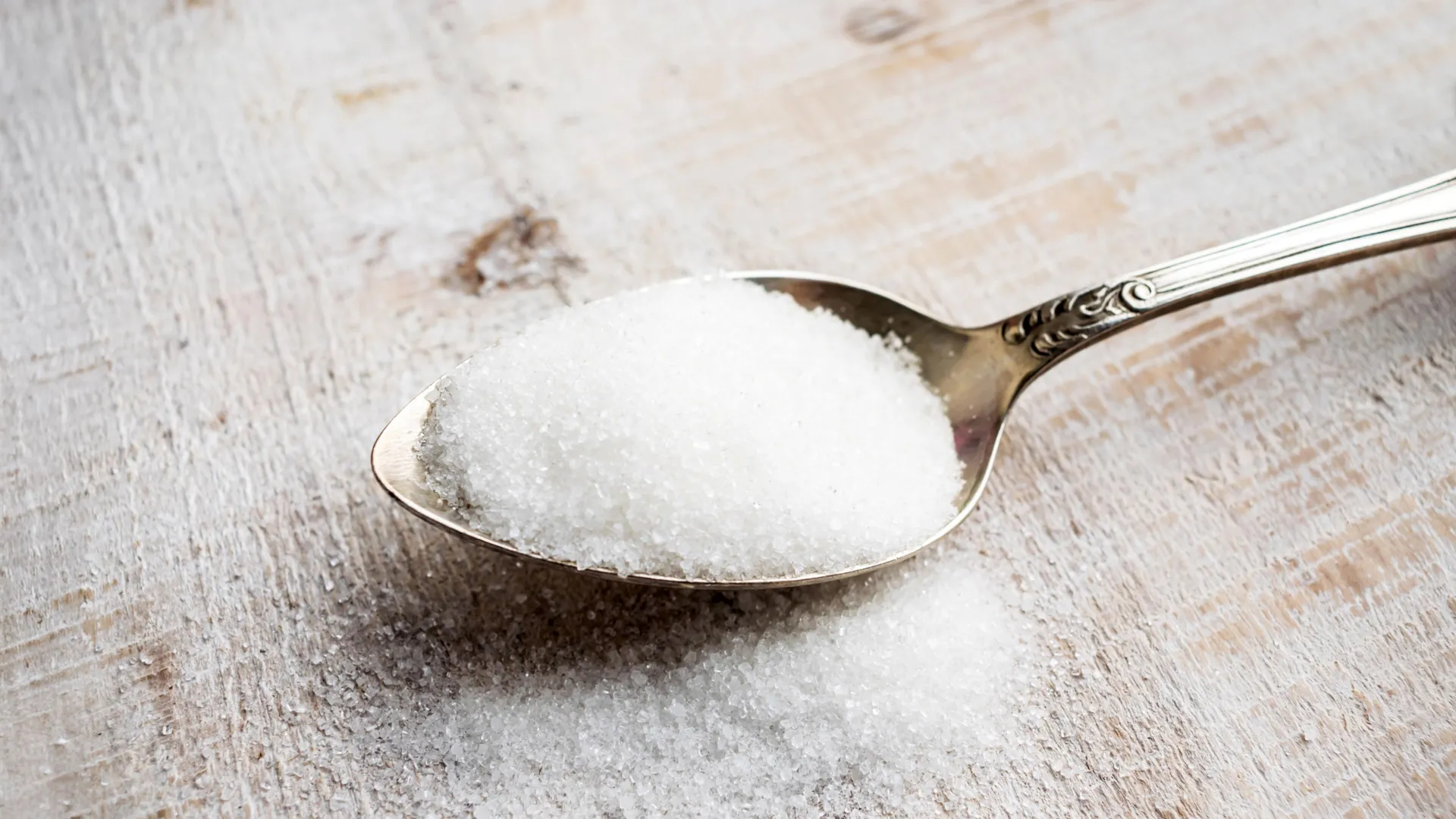
- Sugar-sweetened soda produced the largest and longest drop in mouth acidity, with salivary pH significantly lower than water at both 2 minutes and 20 minutes after consumption.
- Regular sparkling water caused a temporary pH dip at 2 minutes and calcium-fortified sparkling water at 5 minutes, but both returned to near-baseline levels within 20 minutes.
- Salivary pH remained above the roughly 5.5 threshold at which tooth enamel begins to dissolve, the benchmark the researchers used to assess enamel-damage risk.
- The findings are preliminary — presented at a conference and not yet peer-reviewed — and the team plans next to study the long-term oral effects of sparkling water.
Why it matters: The roughly 5.5 pH mark is where enamel starts to dissolve, and soda kept mouth pH depressed well below that window while sparkling water recovered within 20 minutes. For consumers who have already swapped soda for sparkling water, this study offers the first real-time salivary evidence — not just beverage-chemistry data — that the trade likely protects their teeth when paired with good oral hygiene.
Ask SkimNews