Scientists discover that cranberry juice may help fight tooth decay — SkimNews
Get the Health newsletter
Daily health & science — research, biotech, public health, the studies worth knowing. Free.
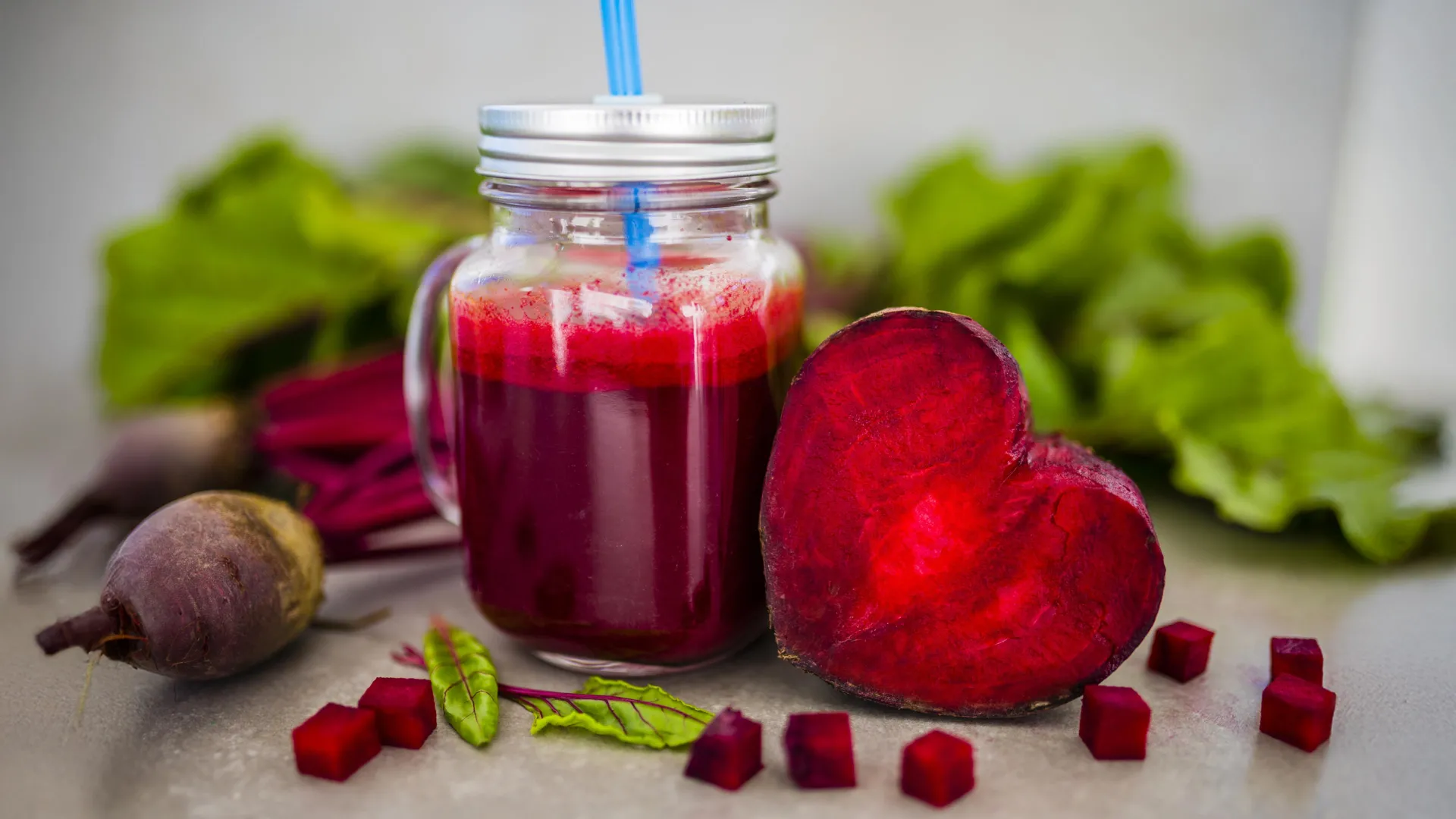
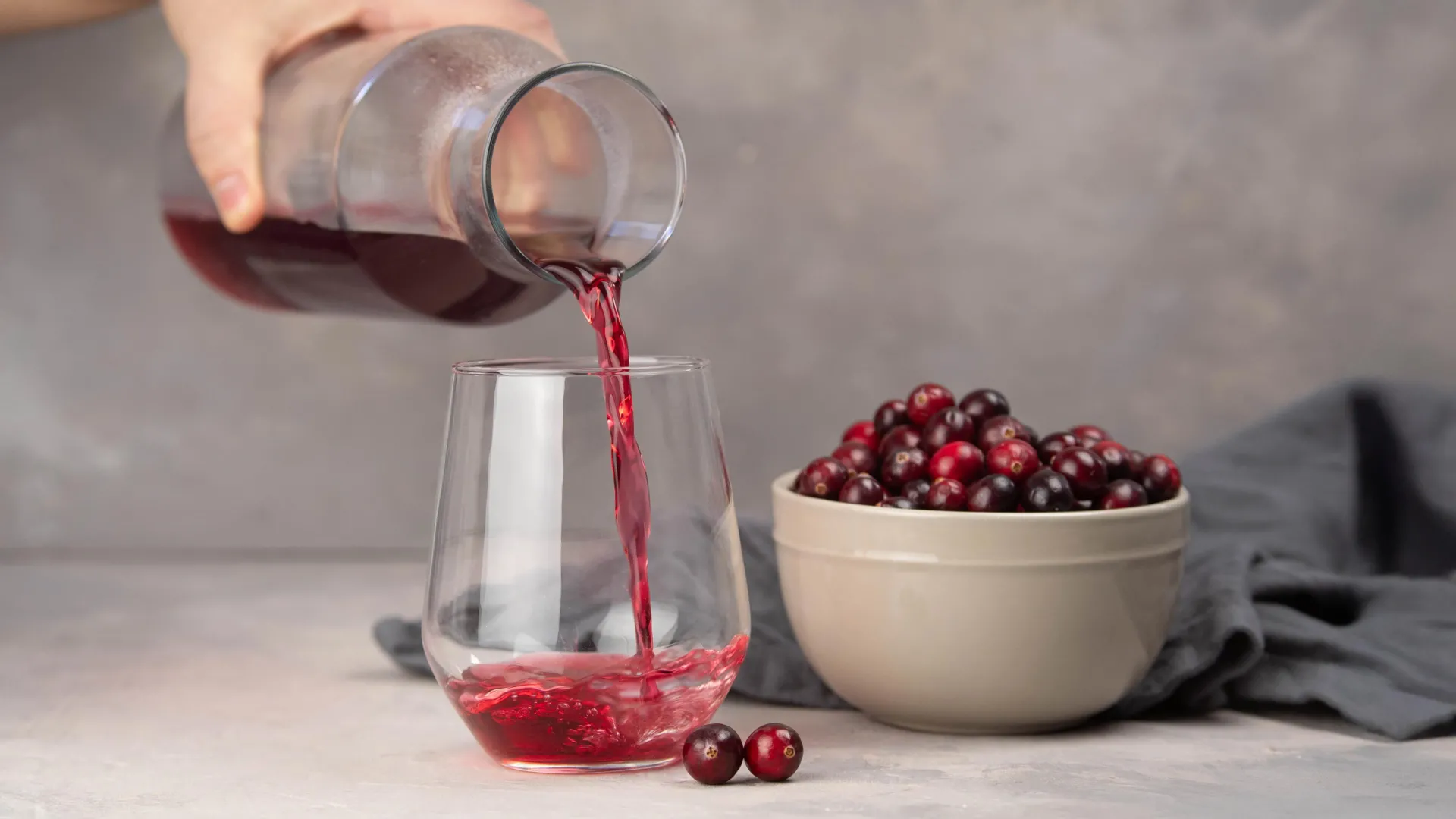
- University of Illinois Chicago researchers randomized 22 participants — 14 children and eight adults — to pure, unsweetened 100% cranberry juice, a cranberry cocktail containing 27% juice and added sugar, or plain water.
- Pure cranberry juice slowed plaque regrowth versus unexposed plaque samples and reduced acid production in both children and adults, measured 30 minutes after participants swished and swallowed three small amounts of their assigned drink.
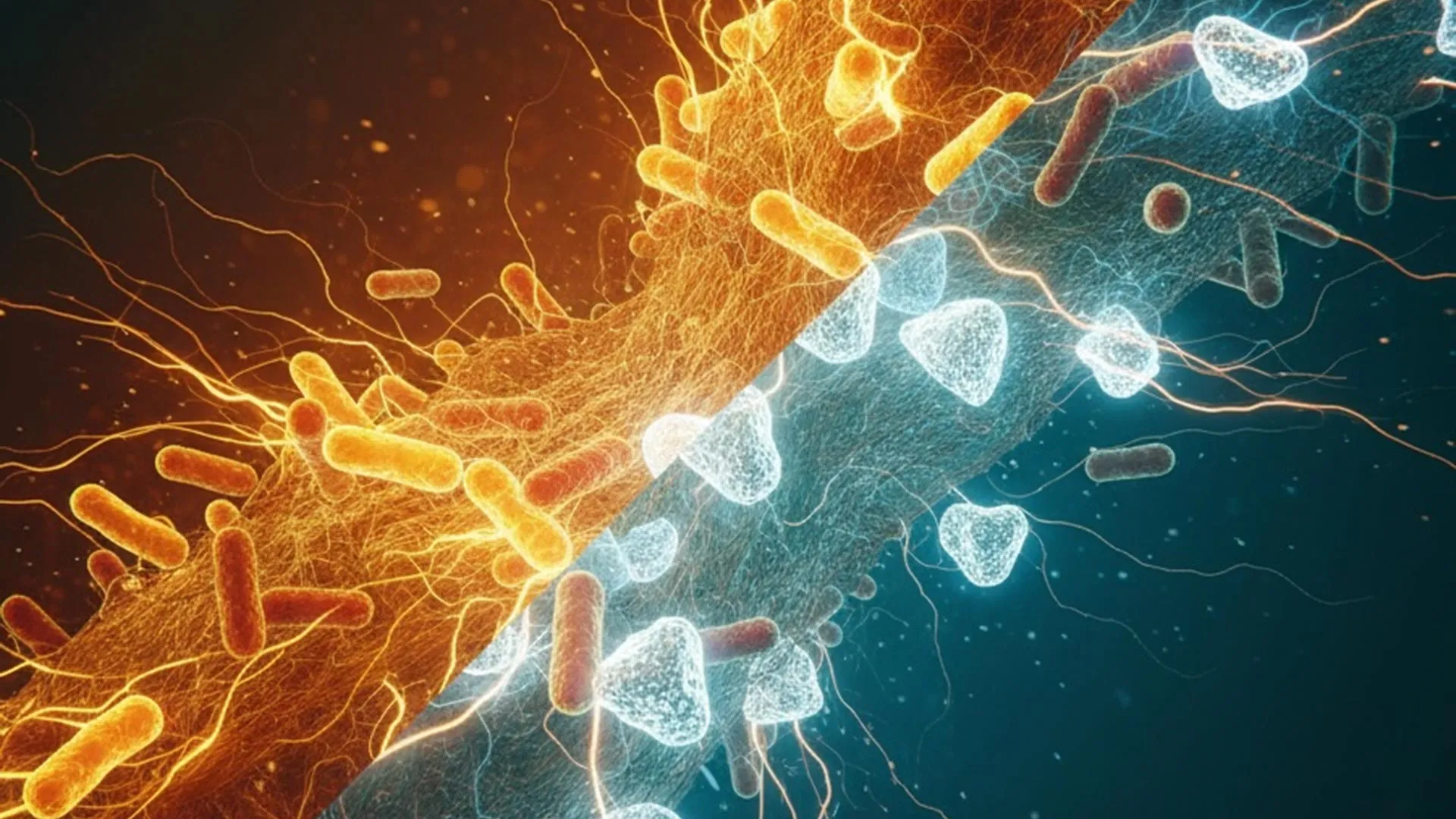
- Proanthocyanidins, the cranberry compounds that keep certain bacteria such as E. coli from attaching to cells, are the suspected mechanism behind the dental effect.
- Christine Wu, a professor of pediatric dentistry who led the study, said the result runs counter to the belief that cranberry juice is too sour, acidic and sugary to help teeth; orange and apple juice have not shown the same promise in this research context.
- Scientific Reports published the PGRM study in 2026 (DOI 10.1038/s41598-026-56025-3), using commercially available products rather than laboratory-prepared extract because prior work in children was limited.
- The authors cautioned that 22 participants and a 30-minute testing window cannot establish that regularly drinking cranberry juice prevents cavities, and Wu suggested using it occasionally as a mouth rinse, floating a sugar substitute to offset its tartness.
Why it matters: For pediatric dentists and parents of the 14 children enrolled, the trial put an off-the-shelf, unsweetened product on the table as an occasional mouth rinse — Wu's proposed 'functional beverage.' The limit is material: the effect was measured 30 minutes after swishing 100% juice, not in sweetened cocktails or long-term drinking habits.
Ask SkimNews