Brazil's Wind Boom Leaves Northeast Farmers Counting the Costs — SkimNews

Get the Energy newsletter
Daily energy & climate — solar, EVs, oil, the policy fights and tech bets shaping the transition. Free.
- Brazil has approximately 35GW of onshore wind capacity (the world's fifth largest), with nine in 10 turbines in the northeast — where President Lula pledged in Riyadh in November 2023 to make the country the "Saudi Arabia of green energy" within a decade.
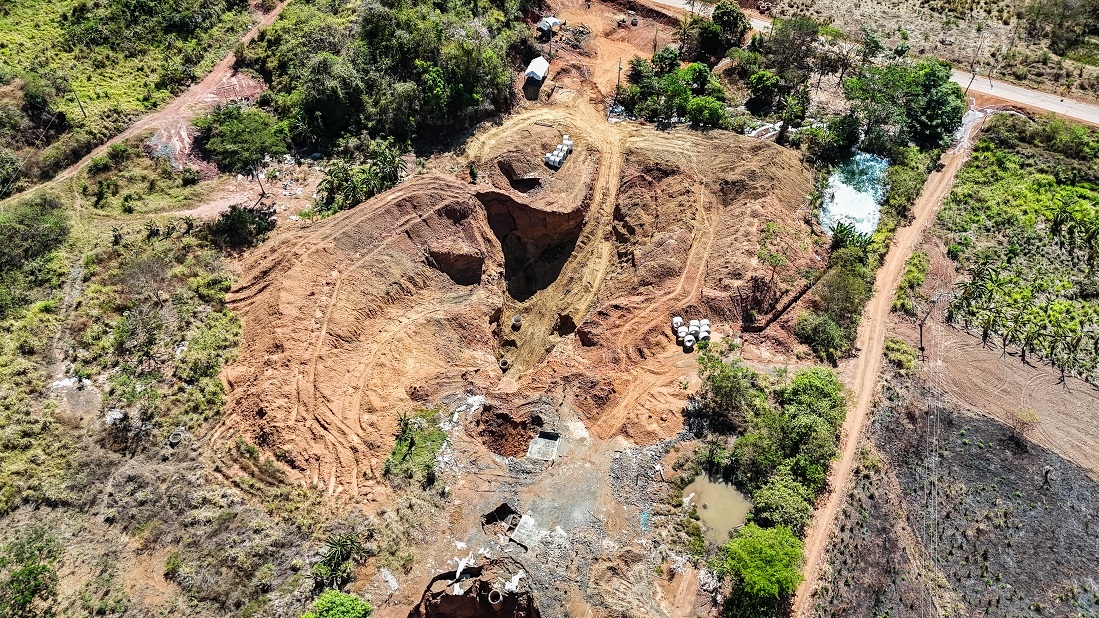
- Antonio de Souza signed a Voltalia contract allowing infrastructure on one hectare of his 50-hectare plot, but says four hectares became wasteland under power lines; he is leading a public civil class action filed in May 2025 by three rural workers' organisations with backing from the public prosecutor's office.
- Landowner payments amount to 1.55% of turnover and are hard to audit, while electricity generated in Serra do Mel is sold cheaply on the open market to large consumers elsewhere and locals pay roughly double the rate for power in their own homes.
- Brazil has no federal minimum-distance rule between turbines and homes — France requires 500 metres — yet Relvani de Brito lives 250 metres from one and reports anxiety, insomnia, and panic disorders; health complaints in Serra do Mel rose sharply from 2022 onward when most of its 36 windfarms came online.
- In June 2025, Ibama issued Brazil's first preliminary licence for an offshore wind project off Areia Branca near the country's main salt terminal, and more than 100 additional offshore licence applications are awaiting processing.
- In 2025, Brazil curtailed 20.6% of potential wind and solar generation — over 6bn reais in lost value, called "the worst crisis in Brazil's wind energy industry" by sector association president Elbia Gannoum — because the northeast already produces more renewable energy than the grid can handle.
Why it matters: The northeast already produces more renewable electricity than its grid can absorb — 20.6% of potential output was curtailed in 2025 — yet host communities like Serra do Mel lose farmland, report new health complaints, and pay roughly double the rate charged to the wealthier regions buying their power. Brazil's celebrated green-energy boom is exporting cheap electricity to industrial centres while the communities underwriting it absorb the human and environmental costs.
Ask SkimNews