Bull Sharks Choose Specific Friends, Fiji Study Finds — SkimNews

Get the Health newsletter
Daily health & science — research, biotech, public health, the studies worth knowing. Free.
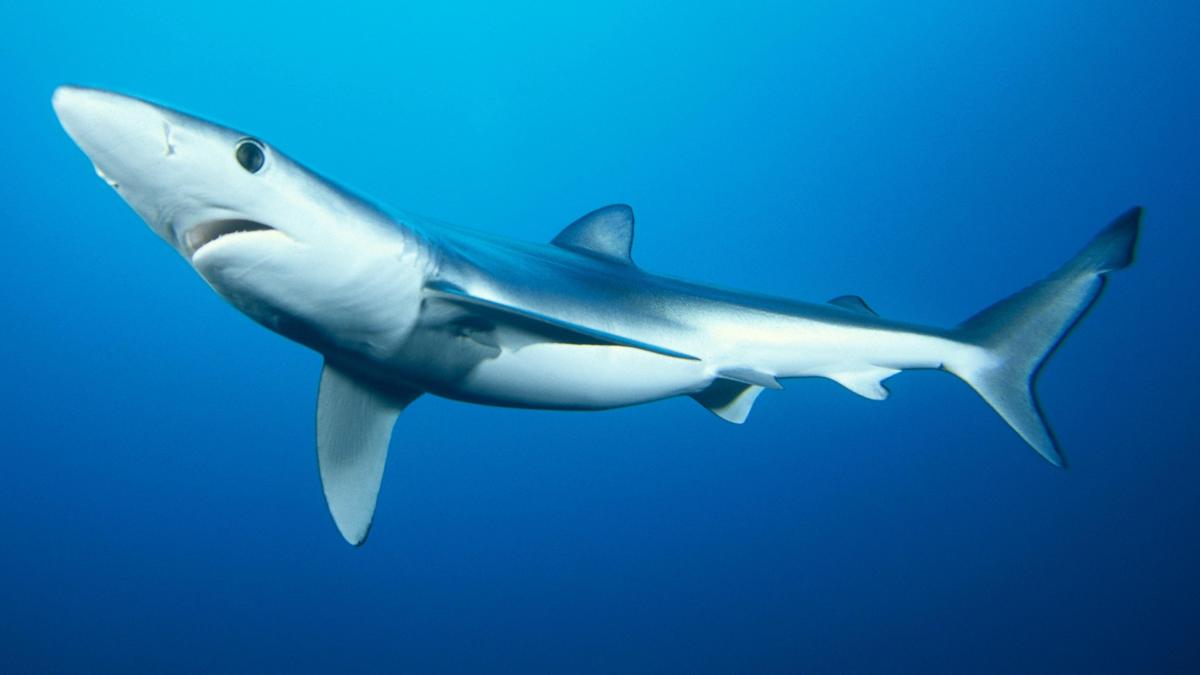
- Researchers from the University of Exeter, University of Lancaster, Fiji Shark Lab, and Beqa Adventure Divers tracked 184 bull sharks at Fiji's Shark Reef Marine Reserve over six years, finding the animals actively choose social partners rather than mix at random.
- Bull sharks were most likely to associate with partners of similar size, with adult sharks forming the "core" of the social network while sub-adults and advanced-adults (post-reproductive age) were generally less connected.
- Both sexes preferred to socialize with females, and males—despite being physically smaller than females—had more social connections on average, which lead author Marosi said may buffer them from aggressive confrontations with larger individuals.
- Lead author Natasha D. Marosi, an Exeter researcher and founder of Fiji Shark Lab, compared the behavior to humans cultivating a range of relationships from acquaintances to best friends while actively avoiding certain people.
- The study, published in Animal Behaviour, measured both broad-scale associations (sharks within one body length) and fine-scale interactions like "lead-follow" and parallel swimming.
- Fiji Shark Lab is now working with Fiji's Ministry of Fisheries to apply the findings to conservation policy and shark management frameworks.
Why it matters: This study gives Fiji's Ministry of Fisheries behavioral data on 184 tracked bull sharks to shape conservation policy at the Shark Reef Marine Reserve. The finding that adult sharks anchor social networks while sub-adults occupy separate nearshore and estuarine habitats means management must protect multiple environments across life stages.
Ask SkimNews