Dunwich Heath Fire: Climate, Not Rewilding, Say Experts — SkimNews

SkimNews Take
Labeling the blaze "human fires" rather than "wildfires" implicitly foregrounds land management over climatic conditions — a rhetorical shift that sits in tension with conservationists' own insistence that climate is the primary driver.
Get the Energy newsletter
Daily energy & climate — solar, EVs, oil, the policy fights and tech bets shaping the transition. Free.
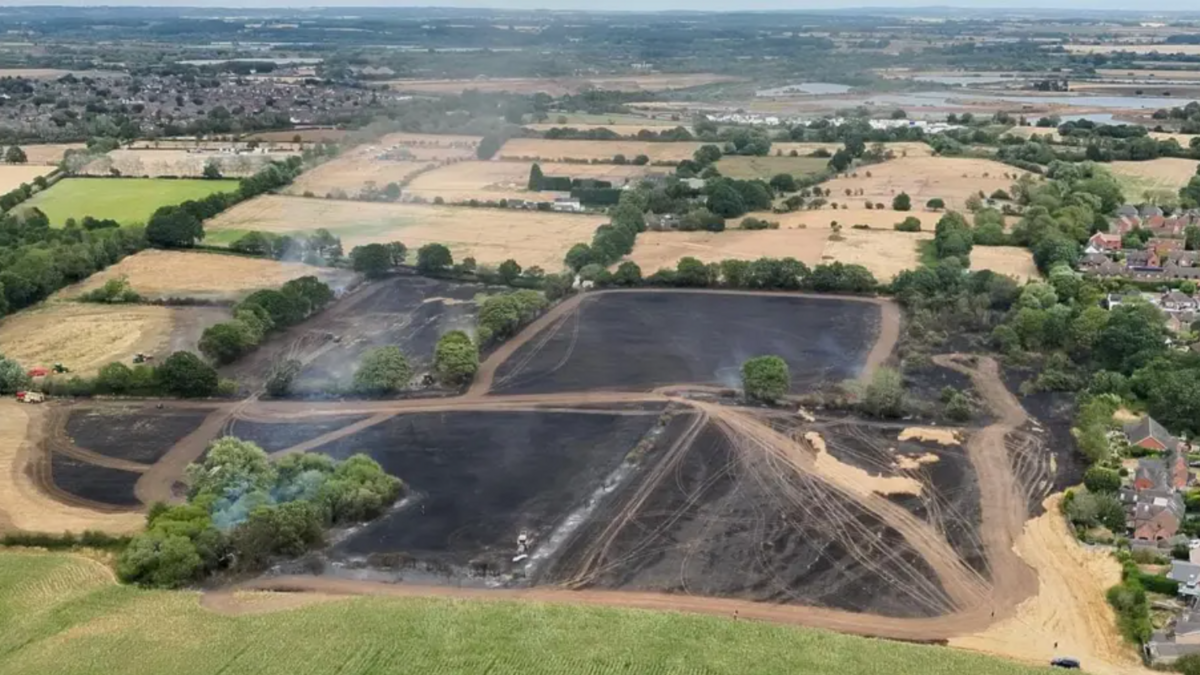
- Dunwich Heath fire burned more than 112 hectares (277 acres) in east Suffolk after starting on 29 July, with Suffolk Fire Service measuring ground temperatures exceeding 600°C and deploying over 100 firefighters from 18 fire services.
- RSPB area manager Adam Rowlands said rare species including nightjars, nightingales and Dartford warblers lost all nesting and feeding habitat, while invertebrates like the narrow-mouthed whorl snail were 'decimated' with no landscape left to return to.
- National Trust regional director Paul Forecast rejected the right-wing rewilding-blame narrative, stating climate change is the 'primary driver' and that traditional management—firebreaks, scrub removal, diverse age structures—kept the fire from being far worse.
- Former Forestry England environment head Jonathan Spencer confirmed the burned area was 'a traditionally managed, classic 20th century conservation landscape,' not rewilded, and proposed beavers, winter grazing and controlled burns as future fire-resilience measures.
- Dunwich village businesses face a tourism collapse, with Flora tea rooms co-owner Christian Elsley reporting just 17 customers served last Saturday instead of the usual 200+, as a 4-mile beach stretch sat nearly empty during peak summer holiday season.
- RSPB Minsmere's wetlands acted as a firebreak that protected Sizewell B nuclear power station from the blaze, illustrating the fire-prevention value of wet habitats in a landscape the fire service says remains on high alert.
Why it matters: The fire puts a direct economic hit on Dunwich's tourism economy during peak season—Flora tea rooms served 17 customers versus a normal 200+—while conservationists worry the rewilding-blame narrative could derail habitat-restoration work despite experts saying climate-driven longer, hotter dry spells are the real driver of escalating UK wildfires.
Ask SkimNews