Why Britain is breathing the world’s wildfire smoke — SkimNews
Get the Energy newsletter
Daily energy & climate — solar, EVs, oil, the policy fights and tech bets shaping the transition. Free.
- University of Edinburgh and UK Centre for Ecology & Hydrology researchers found wildfires account for about 10% of the UK's particle pollution, with smoke from fires thousands of miles away reaching British skies.
- Damaris Tan's computer simulation of global wildfires showed large fires anywhere in the northern hemisphere can raise UK air pollution, with time lags of months possible — it took over three months for the effects of 2018 wildfires to fade from 2019 UK concentrations.
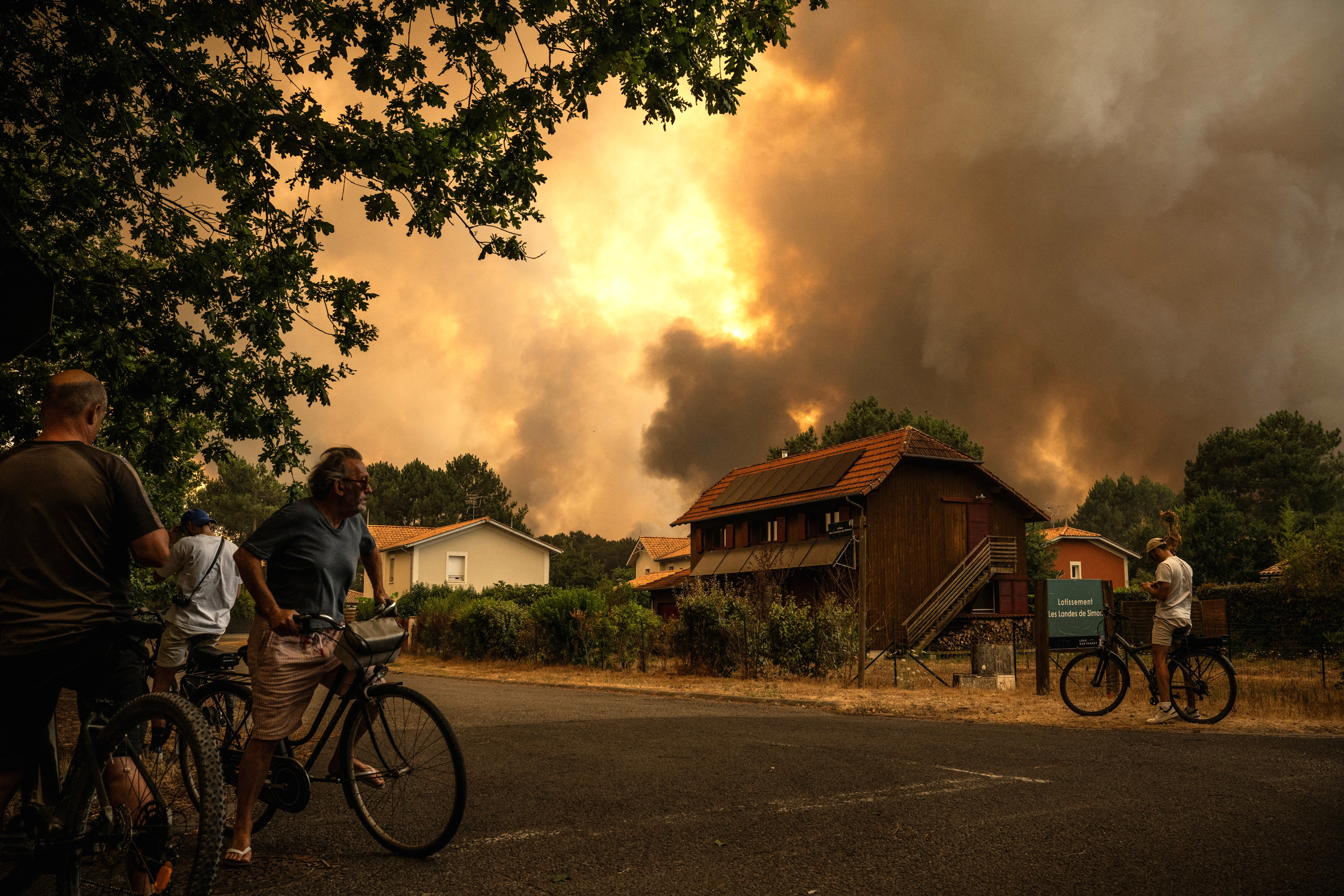
- Dr Mark Parrington of the Copernicus Atmosphere Monitoring Service said recent south-western European wildfires pushed PM2.5 concentrations well above air quality guidelines in Bordeaux and Madrid, immediately downwind of the Gironde and Ávila fires.
- Canadian wildfires dominated UK smoke contributions in 2023, with Tan estimating Canada's contribution in 2024 and 2025 was likely more than double that of most pre-2023 years; in 2019, almost half of UK wildfire pollution originated from fires in Russia.
- Prof Mathew Heal warned the UK may need to over-deliver on domestic emission reductions to meet legal particle pollution targets, given the expected increase in future wildfires.
- Dr Eiko Nemitz said chemicals released by wildfires can react with existing UK air pollution to potentially double the particulate matter people breathe, and cutting emissions from traffic, heating, industry, and agriculture is the lever within UK policymakers' control.
Why it matters: Roughly 10% of British particle pollution originates from wildfires beyond the UK's control — from Russia, Canada, and southern Europe — yet the only mitigation lever sits at home: cutting emissions from traffic, heating, industry, and agriculture limits the secondary chemical reactions that double the harmful dose, meaning the UK must over-deliver on domestic cuts to meet legal air quality limits as global fires intensify.
Ask SkimNews