SolarEx Istanbul: Türkiye's Solar Hub Scales Up With 400+ Exhibitors
Get the Energy newsletter
Daily energy & climate — solar, EVs, oil, the policy fights and tech bets shaping the transition. Free.
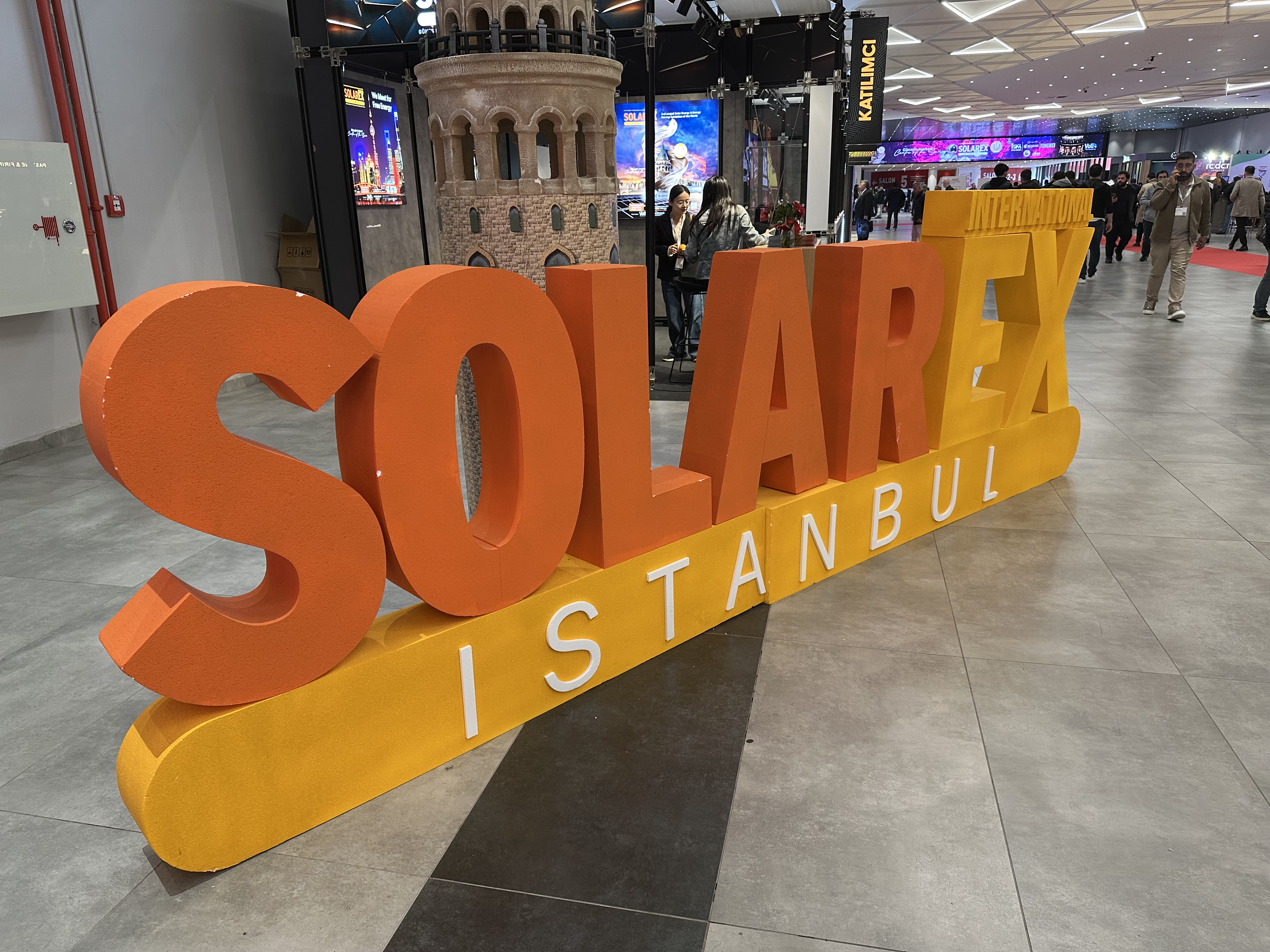
- SolarEx Istanbul hosted more than 400 exhibitors showcasing over 1,000 global brands, with ambassadors from Ghana, Burundi, Egypt, Guatemala, and Cambodia attending an opening ceremony that organizers called a record-breaking edition.
- Turkish manufacturers including CW Enerji, Kalyon PV, Smart Günes Teknolojileri, HT-SAAE, and Schmid Pekintas are either producing or actively planning solar cell capacity at gigawatt scale, targeting both domestic demand and export markets.
- Türkiye's domestic solar installations reached approximately 4.7 GW in 2025 — modest relative to the gigawatt-scale manufacturing ambitions on display, creating a supply-demand imbalance and heavy reliance on exports.
- Trade barriers and regulatory challenges hitting Chinese and other Asian suppliers in certain markets are opening new export lanes for Turkish PV producers, positioning them as competitive, reliable alternatives in the global supply chain.
- Battery storage emerged as a standout theme: a licensing round nearly two years ago awarded more than 30 GW of utility-scale storage capacity to investors, though current installed storage sits at just ~200 MWh and projects are only beginning to materialize this year.
- Günder representatives identified grid connection limits and licensing processes as the primary regulatory bottlenecks for distributed solar, with industrial and commercial rooftop installations currently leading market expansion.
Why it matters: Türkiye's gigawatt-scale manufacturing plans far outstrip its 4.7 GW domestic market, making export success — fueled by trade frictions against Chinese panels — existential for producers like CW Enerji and Kalyon PV. The 30+ GW of awarded storage licenses and the 120 GW 2050 renewable target signal a real pipeline, but the source's own warnings about grid connection limits and licensing delays suggest administrative capacity, not capital, may be the binding constraint on the next phase of growth.
Ask SkimNews