Addenbrooke's Room-Temp Cancer Sample Tech Approved — SkimNews

Get the Health newsletter
Daily health & science — research, biotech, public health, the studies worth knowing. Free.
- Dr. John Tadross and CUH colleagues at Addenbrooke's Hospital pioneered a technique preserving cancer biopsy samples in a stabilising solution for room-temperature transport, removing the need for minus 80C freezing and specialised logistics.
- The technique launched across the East of England at the end of 2025, giving patients at Queen Elizabeth Hospital King's Lynn, Peterborough City Hospital, and Ipswich Hospital easier access to whole genome sequencing.
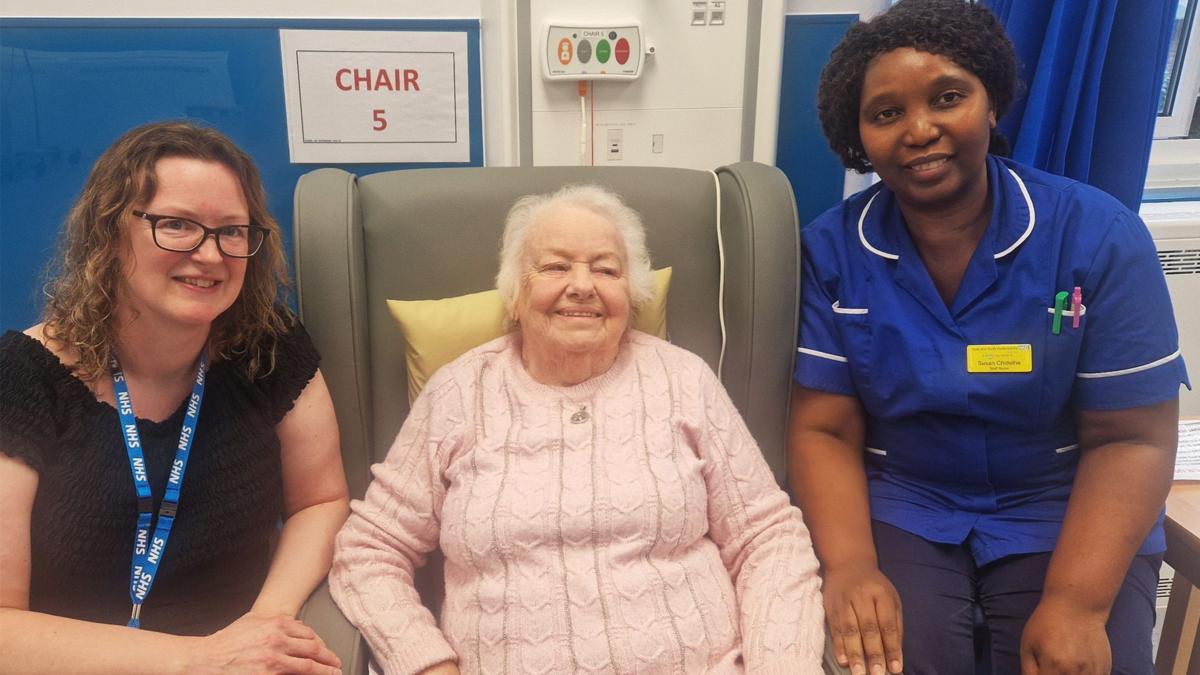
- Laraine Chung, a 63-year-old carer from Peterborough, had WGS at Addenbrooke's that identified a benign meningioma behind her left eye, sparing her from complex surgery that could have affected her brain and face.
- WGS is currently available on the NHS for all children with cancer (up to age 25) and adults with certain cancers — advanced ovarian, triple negative breast, some sarcomas, blood cancers, and cancers of unknown origin — but biopsy tissue degrades within hours unless frozen, limiting access at facilities without that capability.
- The new preservation process has been nationally accredited and is expected to be rolled out in other regions across England.
- Dr. Jeffrey Rubasingham, consultant clinical oncologist at King's Lynn and one of the first to use the new approach, called it 'truly game-changing' and said it opens the door to cutting-edge trial therapies when standard treatment options are exhausted.
- The CUH team received the Royal College of Pathologists Achievement Award 2026 for Sustainability, recognising the environmental benefits of transporting samples without freezing.
Why it matters: Regional hospitals previously locked out of Whole Genome Sequencing because they lacked minus 80C freezing can now offer the same genomic cancer testing as specialist centres like Addenbrooke's, potentially redirecting treatment for patients whose tumours would otherwise go untyped. The nationally accredited process is set to roll out across other English regions, and the environmental savings of ditching ultra-cold transport have already drawn a Royal College of Pathologists sustainability award.
Ask SkimNews