US-Iran Deal Unravels After Oil License Revoked — SkimNews
SkimNews Take
Three weeks is enough to expose that MOUs in contested waterways function as pressure valves rather than commitments — any tanker incident can reopen the escalation cycle, which is precisely why adjacent states are accelerating alternative routing infrastructure.
Get the Geopolitics newsletter
Daily geopolitics — wars, elections, sanctions, the diplomatic moves that move markets. Free.
- U.S.-Iran memorandum of understanding is "quickly unravelling" three weeks after signing, with both sides trading accusations of violations and bad faith despite continued skirmishing since the April ceasefire.
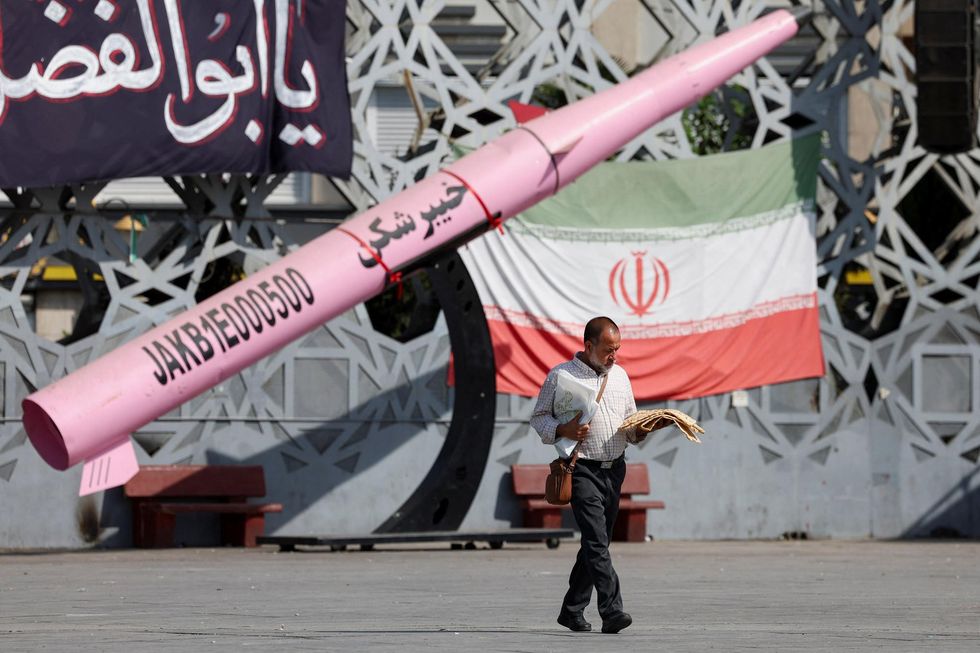
- Tankers traveling in and around the Strait of Hormuz came under attack in what the source describes as Iran's effort to flex control over the contested chokepoint, prompting the economic retaliation.
- Treasury Department revoked the sweeping 60-day general license that had allowed sale of Iranian oil and petrochemical products on July 7, stripping a key financial incentive from the deal.
- United States responded with strikes on Iranian naval and defensive assets; Iran retaliated with drone and missile attacks targeting Qatar, Kuwait, and Bahrain.
- Trump hinted on Wednesday the U.S. may resume its naval blockade of Iran or expand strikes, a scenario the source warns could outpace fitful negotiations with military escalation.
Why it matters: The collapse of the financial concession — the only oil-sales license cushioning the MoU — removes the deal's core leverage point just as tit-for-tat strikes across three Gulf states risk pulling the U.S. and Iran back into open hostilities after a fragile three-week lull.
Ask SkimNews