U.S.-Israeli War Plans Risk U.S. Leadership in Mideast — SkimNews

Get the Geopolitics newsletter
Daily geopolitics — wars, elections, sanctions, the diplomatic moves that move markets. Free.
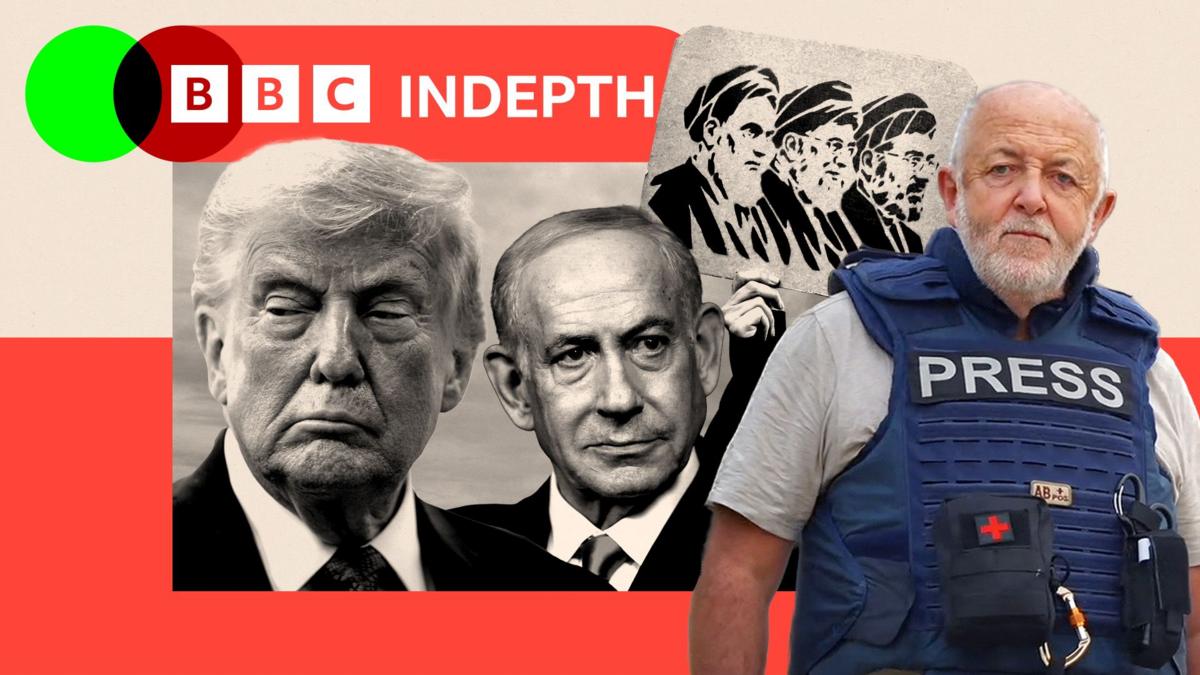
- Netanyahu will remain prime minister after the Israeli election, and continues pushing for a new U.S.-Israeli war with Iran, raising regional conflict prospects.
- Trump administration officials have reportedly advised allies to expect a military campaign against Iran after the U.S. midterm elections on Nov. 3.
- Iran is prepared for renewed U.S. strikes and views the conflict as ongoing, expecting to survive and potentially benefit from another round of attacks.
- Gulf states including Bahrain, Kuwait, and Qatar face existential risks from Strait of Hormuz instability, with no alternative shipping routes available.
- Saudi Arabia cannot rely on Red Sea oil exports due to Houthi control of Yemen’s coast and the Bab el-Mandeb chokepoint, undermining its strategic flexibility.
- Houthi advances in Yemen, including seizure of the Red Sea coast and sustained attacks on Saudi infrastructure, have expanded Iran’s regional leverage and exposed Gulf vulnerabilities.
- Oman’s foreign minister stated there is no Gulf security order without Iran, reflecting growing regional consensus that a working relationship with Tehran is essential.
Why it matters: The U.S. risks losing influence in the Middle East as Gulf states, facing real economic and security threats from prolonged conflict, prioritize diplomacy with Iran over American-led military escalation. This shift undermines Washington’s strategic authority while strengthening Iran’s position in regional negotiations.
Ask SkimNews