This weight-loss hormone may protect the liver even without weight loss — SkimNews
Get the Health newsletter
Daily health & science — research, biotech, public health, the studies worth knowing. Free.
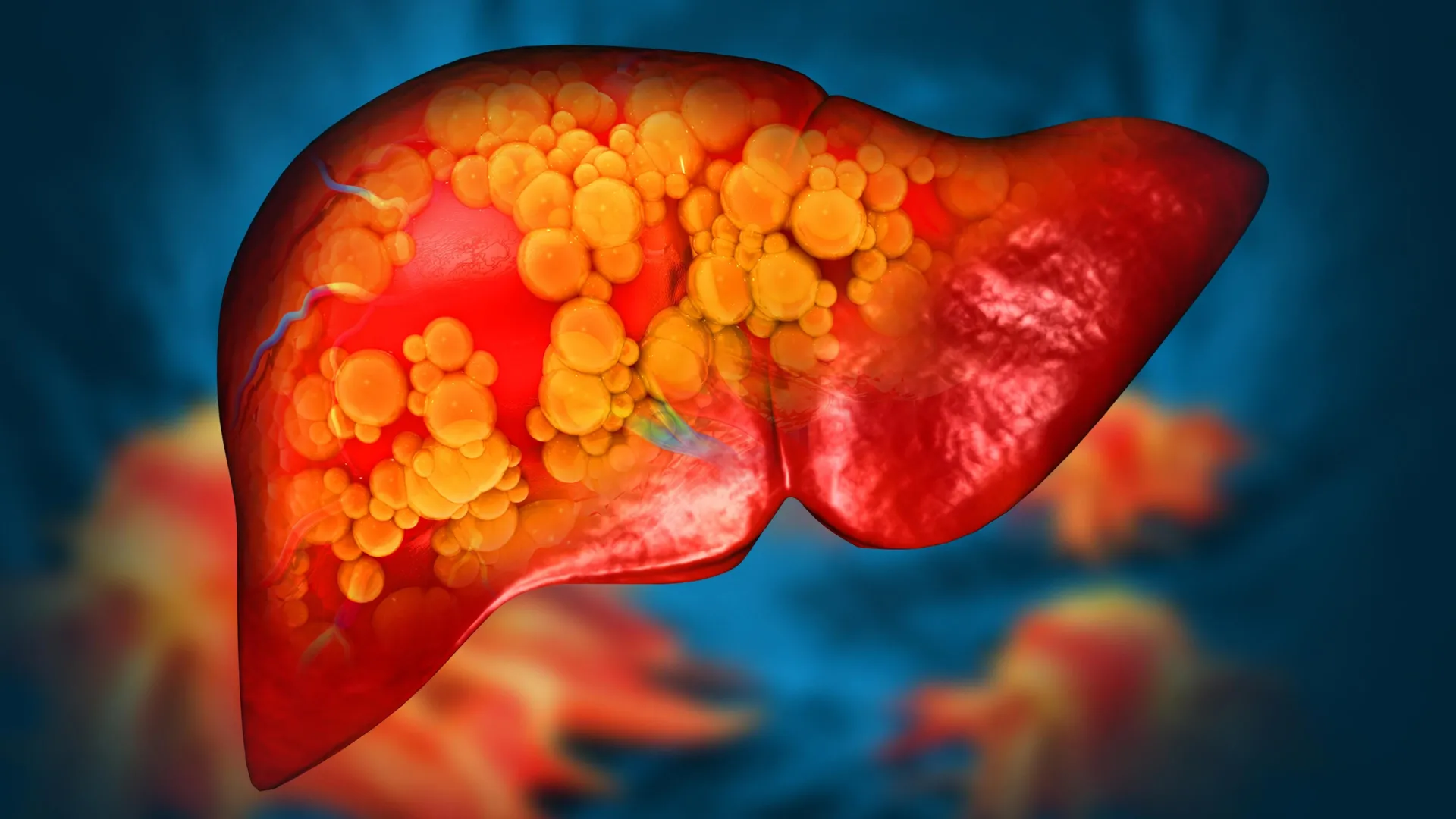
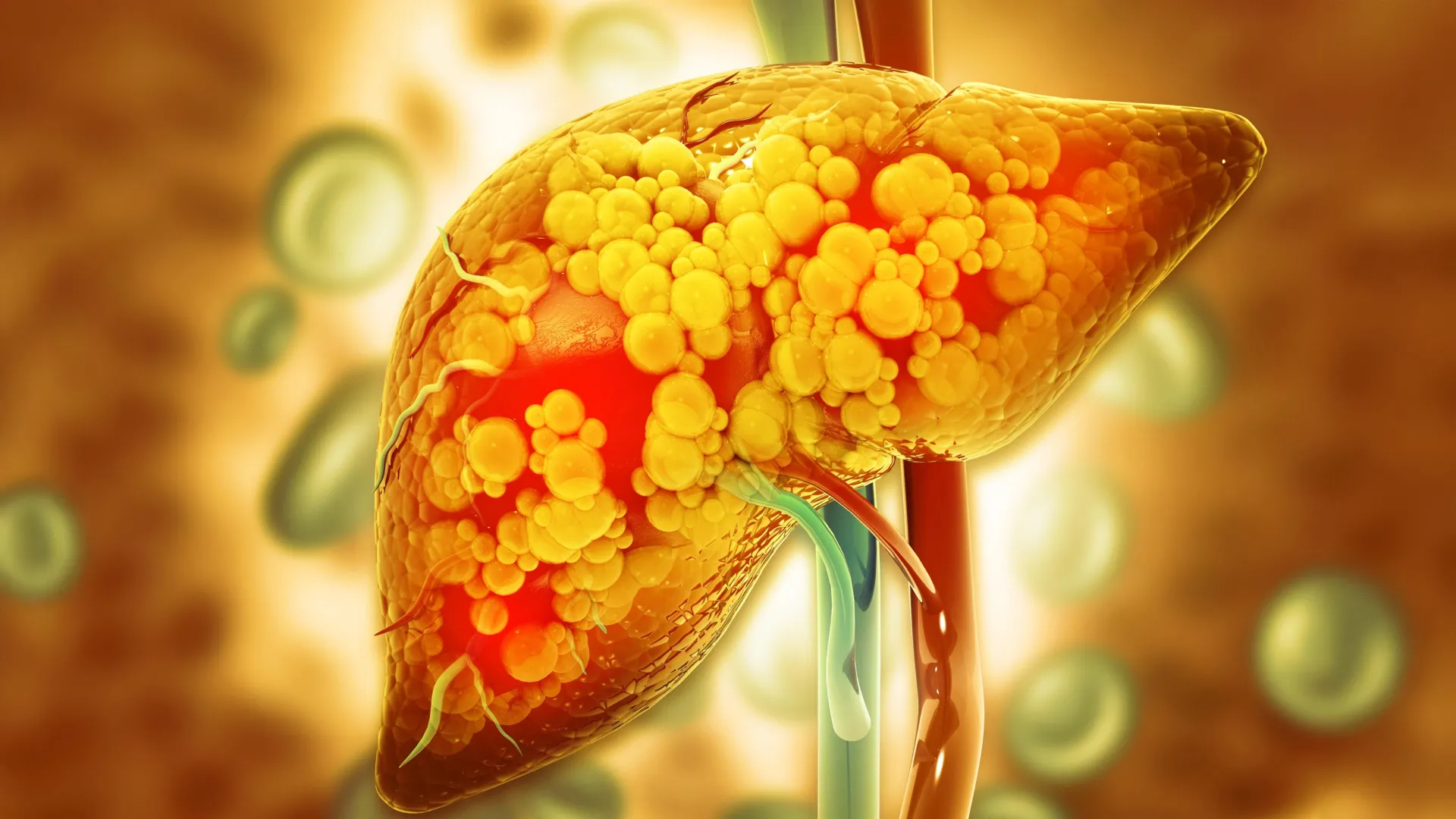
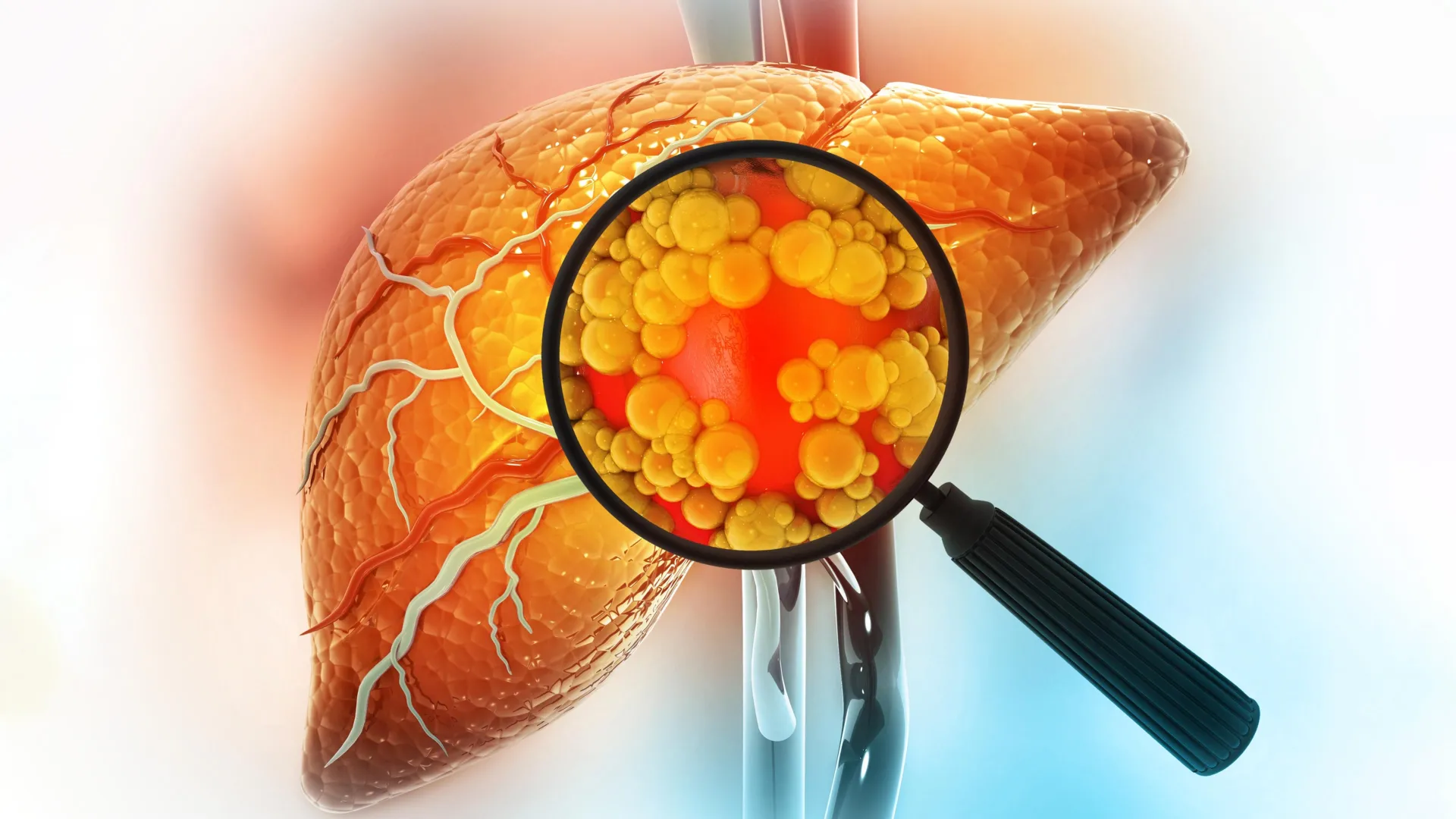
- GDF15 activates a previously unknown brain-to-liver signaling pathway that triggers glucocorticoid release, suppressing liver inflammation and slowing fibrosis regardless of changes in food intake, body weight, or liver fat, McMaster University researchers found.
- Published August 10, 2026 in Cell Metabolism, the study challenges the long-held view that the hormone's benefits are tied primarily to appetite suppression and body weight.
- Gregory Steinberg, senior author and co-director of McMaster's Centre for Metabolism, Obesity and Diabetes Research, said the discovery "changes how we think about the hormone" and suggests GDF15 may be part of the body's own defense system against chronic liver injury.
- Using mouse models mimicking human MASH, the team combined genetic, pharmacological, genomic, and spatial transcriptomics techniques to show GDF15 reprograms liver immune cells into a less active, more protective state.
- Dongdong Wang, first and corresponding author, said GDF15 "helps reprogram liver cells to reduce inflammation and scarring" rather than causing liver damage, and also slows progression of liver fibrosis.
- Novo Nordisk provided research support and supplied the GDF15 hormone used in the study; collaborators Rune E. Kuhre and Sebastian B. Jørgensen are Novo Nordisk scientists, with additional funding from NSERC, CIHR, and Diabetes Canada.
Why it matters: MASH affects millions globally and inflammation can persist even after substantial weight loss — a gap current therapies don't fully address. By identifying a brain-to-liver pathway that directly regulates liver inflammation, the McMaster team suggests future treatments could target inflammation alongside existing weight and liver-fat approaches.
Ask SkimNews