Pacific Northwest Fires Destroy 846 Spokane Structures — SkimNews

Get the Energy newsletter
Daily energy & climate — solar, EVs, oil, the policy fights and tech bets shaping the transition. Free.
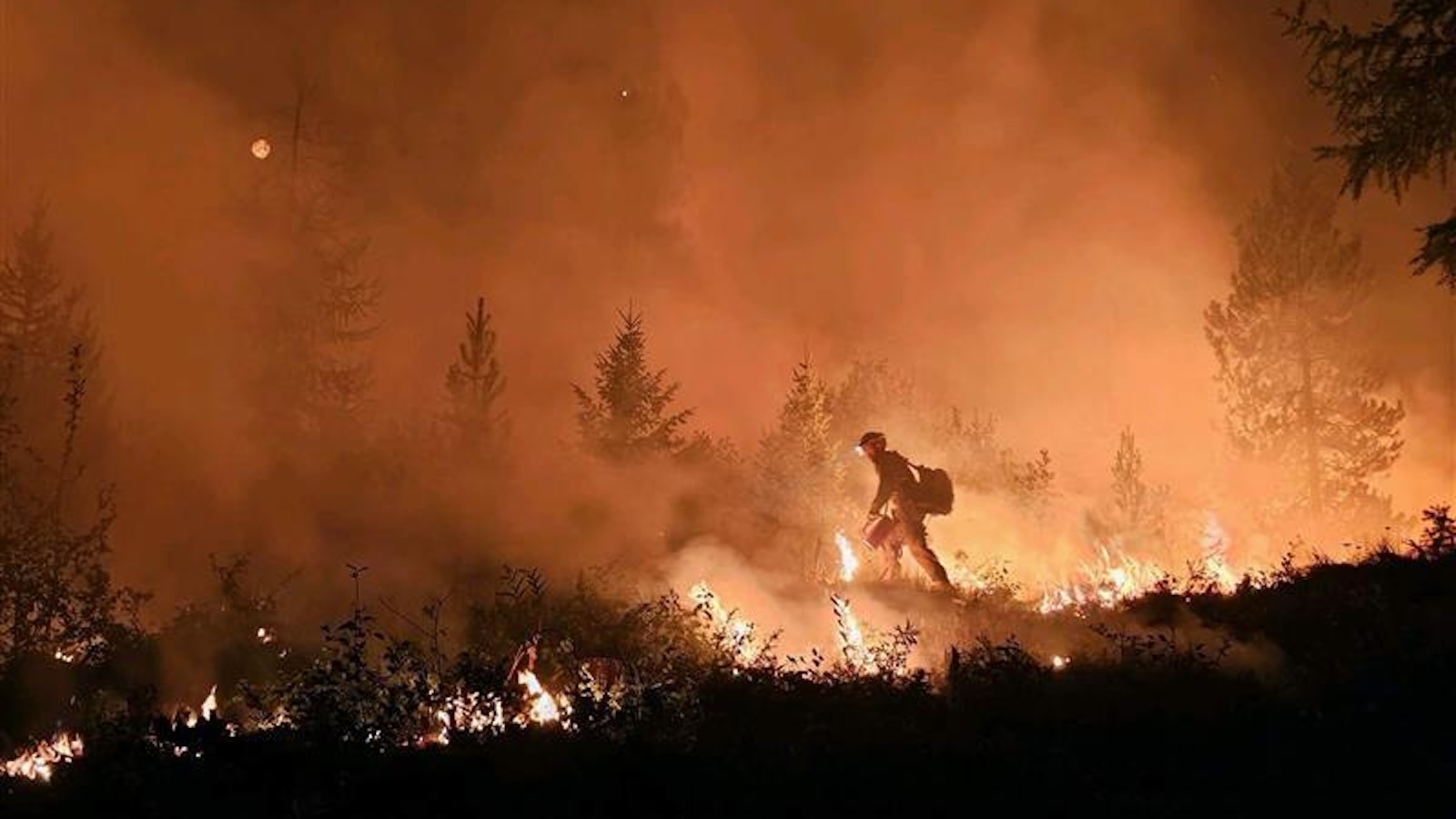
- Pacific Northwest wildfires destroyed at least 846 structures around Spokane, with Oregon logging more burned acreage than any year on record and more than 2.9 million acres burned across Washington and Oregon.
- Federal fire management hit Preparedness Level 5—the highest tier, meaning some fires won't get any crews—on July 18, with 95 large blazes burning on Friday, 45,800+ fires fought since January, and 100 new fires igniting in a single day last week.
- The Old Trails fire near Spokane may have been ignited by an arsonist, with a man taken into custody, according to the report; it was one of at least three blazes that converged around the city.
- Meteorologists forecast a 95% chance of a very strong El Niño developing by September that could become the strongest ever recorded, which former Washington Governor Inslee warned could bring 'additional catastrophes even this summer.'
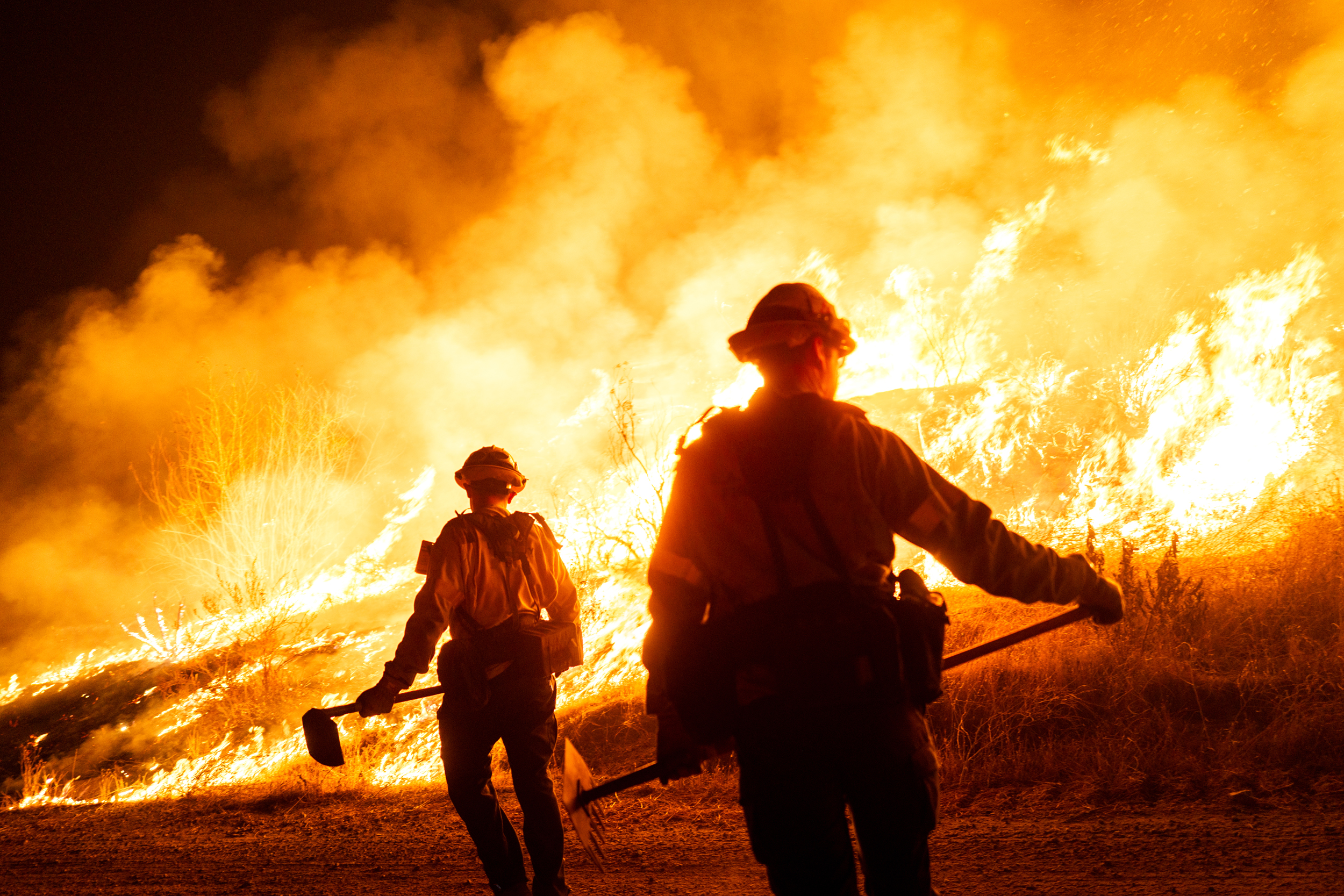
- Seven wildland firefighters have died in the line of duty this summer, and Bobbie Scopa of Grassroots Wildland Firefighters said suppression would require double the workforce and triple the budget given current fire loads.
- University of Washington fire ecologist Dr. Susan Prichard said forests are now 'really receptive to burning' with a longer ignition window, while the Spokane urban conflagration followed the pattern of LA (2025), Lahaina (2023), and Boulder (2021).
Why it matters: The 846 structures destroyed around Spokane, alongside seven firefighter deaths and Preparedness Level 5 staffing, expose how fire demand now outpaces the federal firefighting system; former Governor Inslee warned that layering El Niño on top could bring 'additional catastrophes even this summer.'
Ask SkimNews