Malaysia WFH saves under 1% of fuel — SkimNews
Get the Geopolitics newsletter
Daily geopolitics — wars, elections, sanctions, the diplomatic moves that move markets. Free.
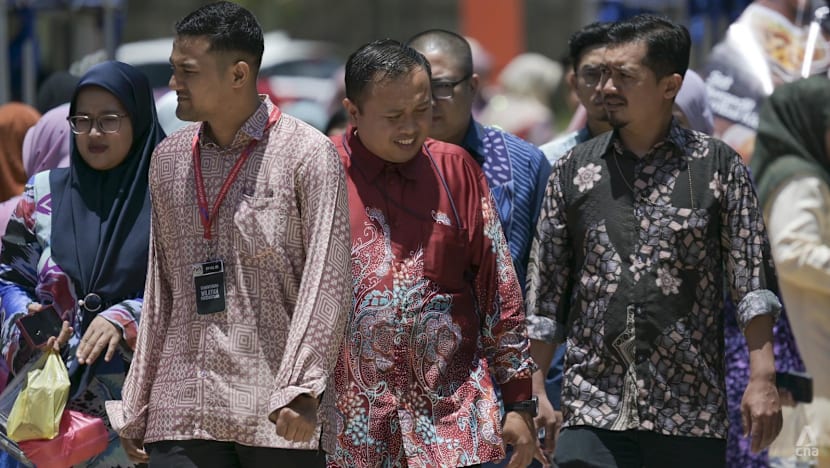
- Prime Minister Anwar Ibrahim announced civil servants will work from home three days a week starting Apr 15, targeting fuel savings in response to Middle East energy supply disruptions, with government buildings also required to set air-conditioning to a minimum of 24°C.
- Eligibility is narrow: only civil servants living more than 8km from their office in Kuala Lumpur, Putrajaya, Selangor or state capitals qualify, and security, health and education workers are excluded — economist Geoffrey Williams estimated roughly 260,000 of Malaysia's 1.3 million civil servants would be covered.
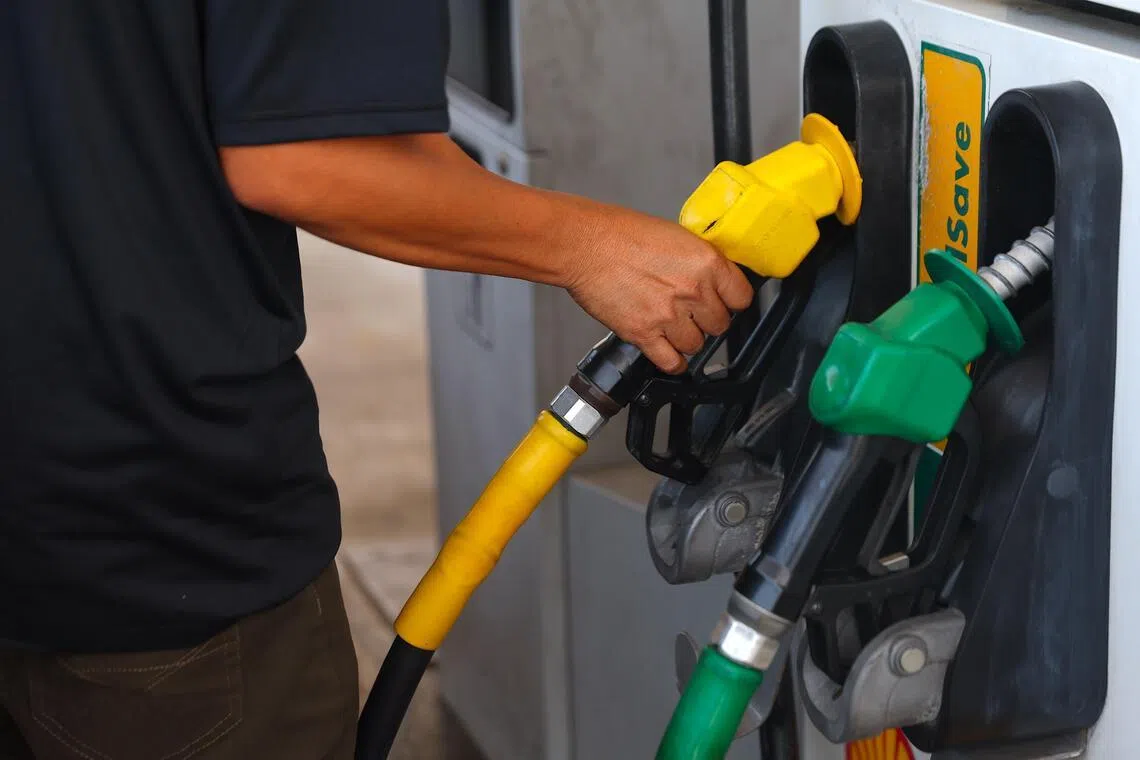
- Williams projected the three-day arrangement would save 9.4 million litres of RON95 petrol per month and RM17.7 million (US$4.44 million) in subsidies, calling the impact 'very small' at under 1% of total petrol consumption and subsidies.
- The Malaysian Employers Federation said it does not support a mandatory WFH policy for the private sector, warning that widespread implementation could reduce consumer spending and hurt the economy, while economist Shankaran Nambiar called a private-sector nationwide rollout an 'overestimate' that would disrupt workflows.
- Environmental group RimbaWatch offered a higher projection, estimating that WFH for half of the Klang Valley workforce could save RM169 million monthly in fuel subsidies, with nationwide adoption potentially reaching RM1 billion per month.
- Eligible civil servants must use the SPOT-Me geolocation app, logging check-in and check-out times and recording attendance hourly, a measure some welcomed for accountability but others — including a high school teacher commuting 140km daily in Terengganu who called the exclusion 'performative' — criticized as insufficient.
- Indonesia has separately implemented a Friday WFH policy for public sector employees in response to the same energy crunch, according to the report.
Why it matters: With only 20% of Malaysia's civil service eligible and projected fuel savings under 1% of national consumption, the policy's symbolic value far outweighs its energy impact. The Malaysian Employers Federation's resistance means private-sector adoption — which economists say is where the real savings lie — faces an uphill battle, leaving the government reliant on a narrow public-sector measure to address a potentially prolonged energy crunch.
Ask SkimNews