DNA database of UK dogs could help police collar criminals — SkimNews

Get the Health newsletter
Daily health & science — research, biotech, public health, the studies worth knowing. Free.
- King's College London and the Royal Veterinary College built the UK's first canine DNA database, covering 80 breeds, with samples taken from at least 50 dogs each for the 10 most common breeds including labradors, cocker spaniels and miniature schnauzers.
- The database uses short tandem repeat (STR) analysis — the same approach used in human forensic DNA — allowing experts to either confirm or rule out a named dog as linked to a crime, or identify the breed of an unknown canine suspect from hair or saliva left behind.
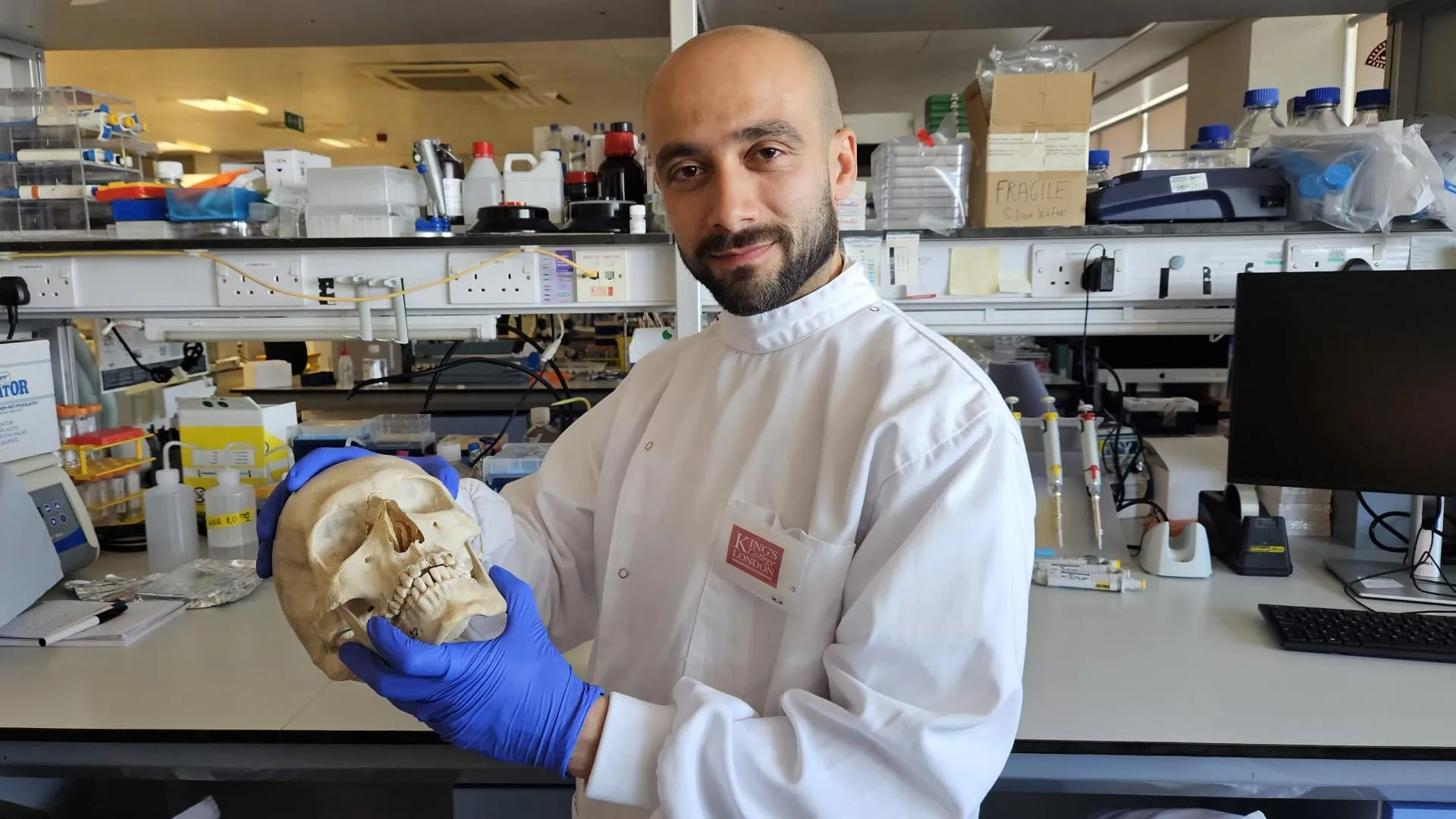
- Prof Denise Syndercombe Court of King's College London said the team now plans to expand the database to cover banned breeds — pitbull terriers, American XL bullies and Japanese tosas — and has also built a separate mitochondrial DNA database for cases where only trace amounts of material survive.
- The technique has already been used in court-relevant cases: in one, DNA from two different dogs was found on the accused's T-shirt alongside holes in the fabric, supporting the claim that the victim's injuries came from his own dogs; in a sheep attack case, the database excluded a suspect's dogs and pointed to a different breed as the likely culprit.
- Dr Nicholas Dawnay of Liverpool John Moores University called the research 'huge' but warned that police budget constraints could limit its real-world use — 'without effective funding, the benefits of this research may struggle to be realised.'
Why it matters: Syndercombe Court's team has already deployed the database in real cases — confirming one defendant's injuries came from his own dogs and excluding a suspect's dogs in a sheep attack while identifying a different breed as the likely attacker. Dawnay cautioned that without adequate police funding, the benefits of this research may struggle to be realised in routine casework.
Ask SkimNews